

2027 VA Disability COLA: 3.6% Increase Explained
The 2027 cost-of-living adjustment is 3.6%. Leah Bucholz and VA-accredited attorney Rebecca Deming explain how the COLA affects veterans’ disability compensation, TDIU, SMC, survivor benefits, and expected payment dates. Learn
Same Condition, Different VA Disability Claim Decisions
Two veterans may have the same diagnosis but receive different VA disability decisions. Leah Bucholz and attorney Rebecca Deming explain how individual medical histories, service records, medical opinions, and the
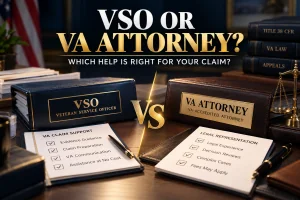
Free VSO or VA Attorney? What Veterans Should Know Before Choosing
Should veterans work with a free VSO or hire a VA-accredited attorney? Leah Bucholz and Wilson County Veteran Service Officer Ray Herrera discuss the differences, including fees, initial claims, appeals,
Why VA Sleep Apnea Claims Get Denied – Even With a CPAP
Having sleep apnea and using a CPAP machine does not automatically establish VA service connection. Leah Bucholz and VA-accredited attorney Rebecca Deming explain why sleep apnea claims can be denied,
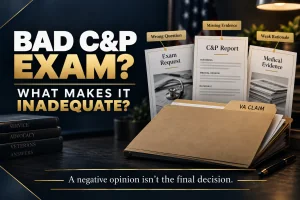
Bad C&P Exam? What Makes an Opinion Inadequate and What Happens Next
A negative C&P exam does not automatically decide a VA disability claim. Leah Bucholz and VA-accredited attorney Rebecca Deming discuss inadequate medical opinions, overlooked evidence, competing medical conclusions, and the
VA Claim Mistakes: A VSO Explains What Veterans Often Miss
In this conversation, Leah Bucholz and Veteran Service Officer Ray Herrera discuss common VA claim mistakes, including unclear evidence, incomplete symptom descriptions, and misunderstandings about decision letters. They explain why
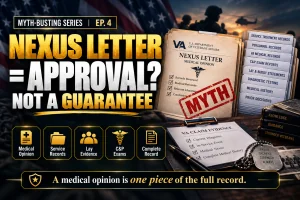
VA Claim Myth: Does Paying for a Nexus Letter Guarantee Approval?
A Nexus letter can be an important piece of medical evidence in a VA disability claim, but it is not a guarantee of service connection. The quality of the reasoning,
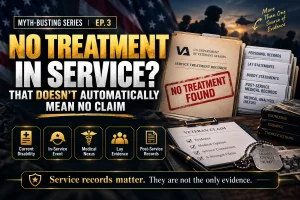
VA Claim Myth: No Treatment in Service Means No Claim?
Many veterans assume that if they did not go to sick call or receive treatment during service, their current condition cannot be connected to military service. Missing treatment records can

VA Claim Myth: When VA Has Your Records, Is That Enough?
One common VA claim myth is that if VA already has your medical records, there is nothing else to submit. But medical records and medical evidence are not always the
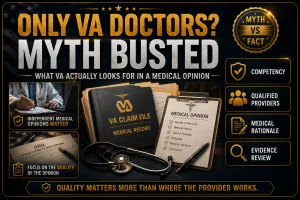
Myth-Busting VA Claims: Only VA Doctors Can Write Medical Opinions?
One common VA claim myth is that only VA doctors can write medical opinions or Nexus letters. In reality, the strength of a medical opinion often depends on whether the
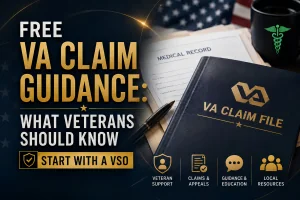
Free VA Claim Guidance: What Veterans Should Know About Working With a VSO
A Veteran Service Officer can be an important starting point for veterans, surviving spouses, active duty service members, and dependents seeking guidance about VA claims, appeals, benefits, healthcare navigation, and
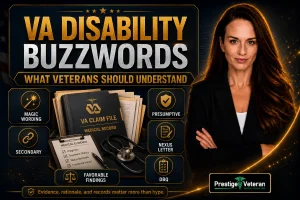
VA Disability Buzzwords: What Veterans Should Understand About Medical Evidence
VA disability buzzwords can create confusion when they are oversimplified online. Terms like magic wording, presumptive, Nexus letter, rebuttal opinion, and favorable findings may matter, but they do not replace
2027 VA Disability COLA: 3.6% Increase Explained
The 2027 cost-of-living adjustment is 3.6%. Leah Bucholz and VA-accredited
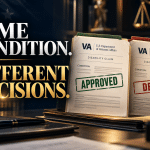
Same Condition, Different VA Disability Claim Decisions
Two veterans may have the same diagnosis but receive different

Free VSO or VA Attorney? What Veterans Should Know Before Choosing
Should veterans work with a free VSO or hire a

Why VA Sleep Apnea Claims Get Denied – Even With a CPAP
Having sleep apnea and using a CPAP machine does not
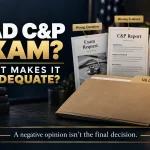
Bad C&P Exam? What Makes an Opinion Inadequate and What Happens Next
A negative C&P exam does not automatically decide a VA
2027 VA Disability COLA: 3.6% Increase Explained
The 2027 cost-of-living adjustment is 3.6%. Leah Bucholz and VA-accredited attorney Rebecca Deming explain how the COLA affects veterans’ disability compensation, TDIU, SMC, survivor benefits, and expected payment dates. Learn why the increase changes monthly payment rates without changing underlying VA disability ratings.
Same Condition, Different VA Disability Claim Decisions
Two veterans may have the same diagnosis but receive different VA disability decisions. Leah Bucholz and attorney Rebecca Deming explain how individual medical histories, service records, medical opinions, and the evidence supporting each claim can contribute to different outcomes.
Free VSO or VA Attorney? What Veterans Should Know Before Choosing
Should veterans work with a free VSO or hire a VA-accredited attorney? Leah Bucholz and Wilson County Veteran Service Officer Ray Herrera discuss the differences, including fees, initial claims, appeals, professional experience, changing representatives, and choosing the right assistance.
Why VA Sleep Apnea Claims Get Denied – Even With a CPAP
Having sleep apnea and using a CPAP machine does not automatically establish VA service connection. Leah Bucholz and VA-accredited attorney Rebecca Deming explain why sleep apnea claims can be denied, how medical nexus evidence is evaluated, and why symptom history, secondary conditions, and the timing of a diagnosis matter.
Bad C&P Exam? What Makes an Opinion Inadequate and What Happens Next
A negative C&P exam does not automatically decide a VA disability claim. Leah Bucholz and VA-accredited attorney Rebecca Deming discuss inadequate medical opinions, overlooked evidence, competing medical conclusions, and the difference between an unfavorable exam experience and an actual problem with the report.
VA Claim Mistakes: A VSO Explains What Veterans Often Miss
In this conversation, Leah Bucholz and Veteran Service Officer Ray Herrera discuss common VA claim mistakes, including unclear evidence, incomplete symptom descriptions, and misunderstandings about decision letters. They explain why relevant records, accurate statements, and the right professional guidance matter.
VA Claim Myth: Does Paying for a Nexus Letter Guarantee Approval?
A Nexus letter can be an important piece of medical evidence in a VA disability claim, but it is not a guarantee of service connection. The quality of the reasoning, the evidence reviewed, competing medical opinions, and the rest of the record can all matter.
VA Claim Myth: No Treatment in Service Means No Claim?
Many veterans assume that if they did not go to sick call or receive treatment during service, their current condition cannot be connected to military service. Missing treatment records can matter, but they do not automatically mean there is no other relevant evidence to review.
VA Claim Myth: When VA Has Your Records, Is That Enough?
One common VA claim myth is that if VA already has your medical records, there is nothing else to submit. But medical records and medical evidence are not always the same thing, especially when a claim needs evidence explaining nexus, aggravation, or service connection.
Myth-Busting VA Claims: Only VA Doctors Can Write Medical Opinions?
One common VA claim myth is that only VA doctors can write medical opinions or Nexus letters. In reality, the strength of a medical opinion often depends on whether the provider is qualified, informed, and able to clearly explain the medical rationale.
Free VA Claim Guidance: What Veterans Should Know About Working With a VSO
A Veteran Service Officer can be an important starting point for veterans, surviving spouses, active duty service members, and dependents seeking guidance about VA claims, appeals, benefits, healthcare navigation, and local resources.
VA Disability Buzzwords: What Veterans Should Understand About Medical Evidence
VA disability buzzwords can create confusion when they are oversimplified online. Terms like magic wording, presumptive, Nexus letter, rebuttal opinion, and favorable findings may matter, but they do not replace evidence, medical rationale, and individualized review.