
2026 VA Special Monthly Compensation (SMC) Rates
This guide covers the 2026 VA SMC rates, dependent increases, and who may qualify. Also, learn what medical evidence the VA may review when evaluating your claim.

This guide covers the 2026 VA SMC rates, dependent increases, and who may qualify. Also, learn what medical evidence the VA may review when evaluating your claim.

For many who have served, the memory of wearing body armor is not just about protection. It is about weight, pressure, and long hours spent

On September 29, 2025, the Department of Veterans Affairs (VA) proposed a rule that may affect how painful scars are evaluated for disability compensation. The proposed change focuses on 38 CFR §4.118, Diagnostic Code 7804, which covers unstable or painful scars. If finalized, this update would introduce a requirement for “objective evidence of pain”, meaning a veteran’s statement alone may no longer be enough.

Many veterans live with frustrating symptoms that seem very real, yet medical tests may come back normal. Blood work looks fine, imaging shows no major

Post-traumatic stress disorder, commonly known as PTSD, is often described as a mental health condition. While that is true, it is only part of the
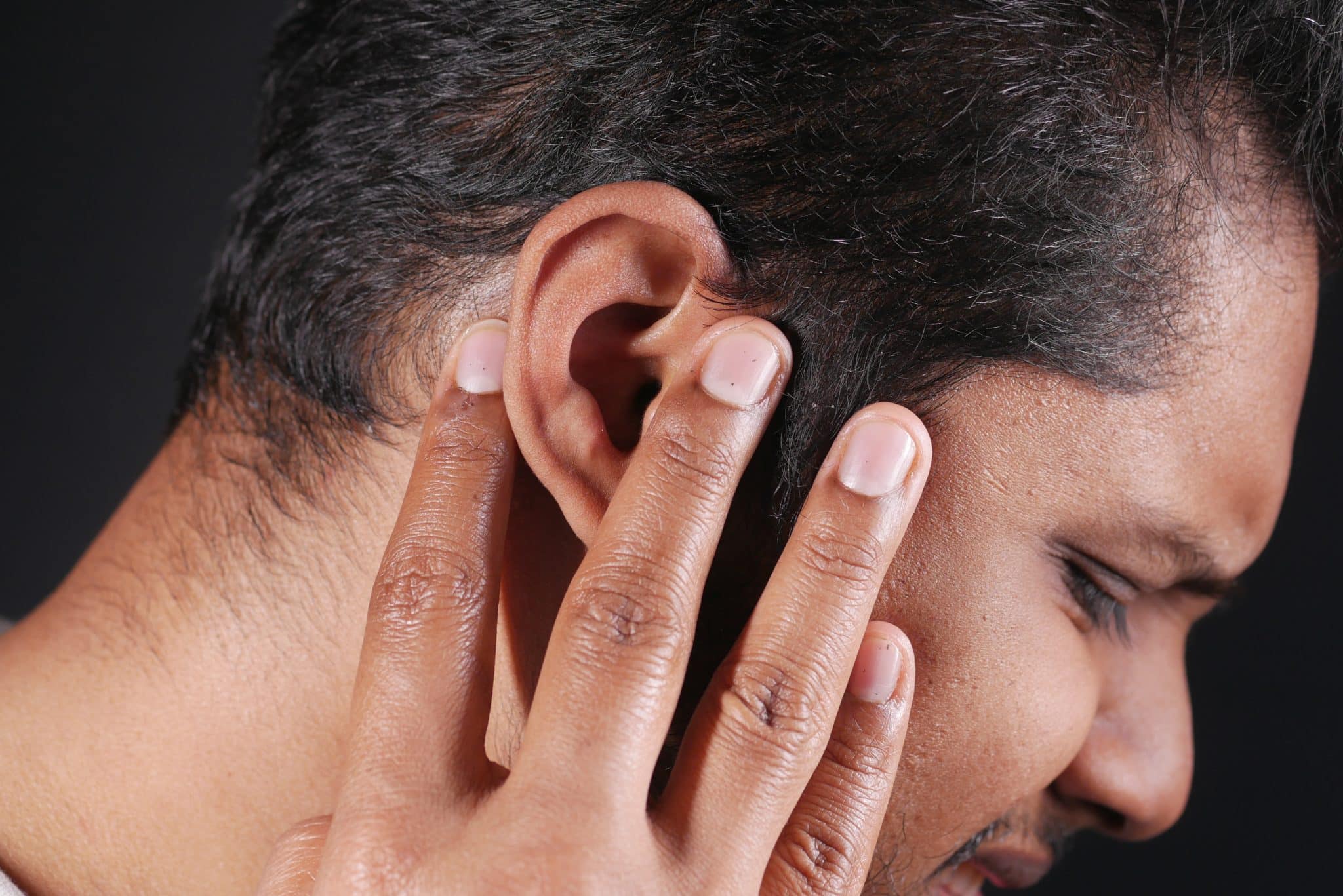
For many veterans, the memory is vivid. A long day at the firing range ends. The noise fades. Silence finally returns. And then, out of

A nexus letter can serve as a key piece of medical evidence in a VA disability claim when evaluating the relationship between a veteran’s current

After leaving the military, many veterans find themselves searching for something they cannot quite name. It is not always about fitness or even purpose in

When filing a VA disability claim, a nexus letter or an independent medical opinion can be the document that connects your current condition to your service. While veterans may focus on getting the opinion itself, VA reviewers look closely at the supporting evidence to ensure it shows a consistent, credible link between service and current symptoms.

Dizziness and vertigo are among the most confusing symptoms in medicine, both for patients and clinicians. For many veterans, the experience can be especially frustrating.