

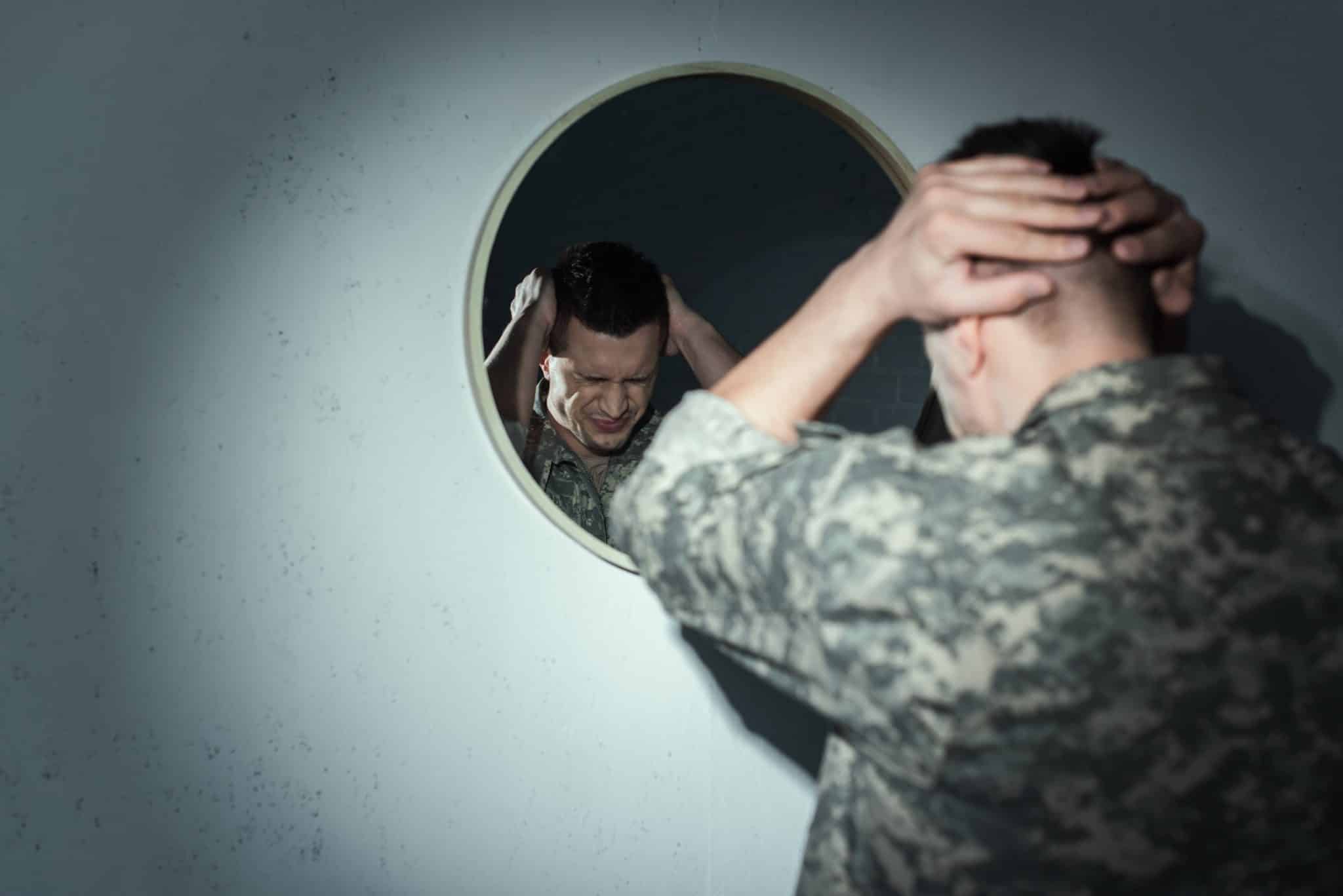
Post-traumatic stress disorder, commonly known as PTSD, is often described as a mental health condition. While that is true, it is only part of the story. For many veterans, PTSD can influence much more than thoughts, emotions, or memories. It can affect sleep, blood pressure, digestion, pain levels, hormones, and immune function. That is why so many veterans ask whether their physical symptoms are connected to trauma.
The short answer is that science shows there can be a real connection. PTSD is not simply “in the mind.” It involves changes in how the brain and body respond to stress. Understanding this relationship can help veterans recognize symptoms, seek treatment, and reduce stigma around what they are experiencing.

Table of Contents
PTSD affects the Brain and Nervous System
PTSD develops after exposure to traumatic events, such as combat, violence, severe accidents, or life-threatening situations. In veterans, combat trauma is one of the most recognized causes.
When trauma occurs, the brain activates survival systems designed to protect the body. These systems can remain overactive long after the danger has passed. PTSD may involve changes in areas of the brain such as:
- Amygdala: Processes fear and threat detection
- Hippocampus: Helps organize memories and distinguish past from present
- Prefrontal cortex: Supports reasoning, decision-making, and emotional regulation
When these systems become dysregulated, the body may remain stuck in a state of alertness. This can create hypervigilance, anxiety, irritability, nightmares, and physical tension.
For veterans, this can feel like the body never fully relaxes, even in safe environments.
The Stress Response and Fight or Flight
One of the most important systems involved in PTSD is the stress response, often called the fight-or-flight system. This includes the autonomic nervous system and the HPA axis, which regulates cortisol, the body’s main stress hormone.
Under normal circumstances:
- A threat appears
- The body releases stress hormones
- Heart rate rises
- Energy increases
- Once danger passes, the body calms down
With PTSD, that “off switch” may not work efficiently. The body may continue acting as if danger is still present.
This can lead to:
- Increased heart rate
- Muscle tension
- Sweating
- Startle reactions
- Restlessness
- Trouble relaxing
Over time, living in this state can affect overall health.
PTSD affects Heart Health
Research has shown strong links between PTSD and cardiovascular strain. This does not mean PTSD automatically causes heart disease, but it may increase risk factors.
Veterans with PTSD may experience:
- High blood pressure
- Increased heart rate
- Elevated stress hormones
- Greater inflammation
- Poor sleep, which also impacts heart health
Long-term stress can place added pressure on blood vessels and the heart. This may contribute to higher rates of hypertension and coronary artery disease in some individuals.
Because of this, veterans with PTSD should also monitor physical wellness, including blood pressure, cholesterol, exercise habits, and sleep quality.
PTSD affects Sleep and Recovery
Sleep disruption is one of the most common symptoms of PTSD. Many veterans report:
- Insomnia
- Frequent waking
- Nightmares
- Hypervigilance at night
- Feeling tired despite sleeping
Sleep is when the body repairs tissues, balances hormones, strengthens memory, and restores energy. When sleep is repeatedly interrupted, the effects can spread throughout the body.
Poor sleep may contribute to:
- Weight gain
- Insulin resistance
- Irritability
- Poor concentration
- Higher blood pressure
- Lower immune resilience
In many cases, sleep problems become a bridge between PTSD and other physical illnesses.
PTSD affects Pain and Migraines
Many veterans with PTSD also report chronic pain, headaches, or migraines. This can happen for several reasons.
PTSD may increase sensitivity in pain-processing pathways. When the nervous system stays in a heightened state, the body can react more strongly to discomfort or sensory triggers.
Possible effects include:
- More frequent headaches
- Migraine flare-ups
- Neck and shoulder tension
- Back pain
- Worsened pain perception
Sleep deprivation, anxiety, and muscle tension can make migraines even worse. Again, PTSD does not cause every migraine, but there is meaningful overlap between the conditions.
Digestive Problems and IBS
The gut and brain are closely connected through the nervous system. Stress can change digestion, bowel movement patterns, and gut sensitivity.
Veterans with PTSD may experience:
- Irritable bowel syndrome (IBS)
- Nausea
- Stomach cramps
- Diarrhea or constipation
- Appetite changes
When the body believes it is under threat, digestion is not a priority. Blood flow and energy are directed elsewhere. If stress becomes chronic, digestive symptoms may persist.
This is one reason emotional trauma can feel physical.
PTSD affects the Immune System
Emerging research suggests chronic trauma stress may influence immune regulation. PTSD has been associated in some studies with:
- Increased inflammatory markers
- Changes in cytokine signaling
- Altered immune responses
Inflammation plays a role in many chronic diseases. While PTSD does not directly cause autoimmune disease in every case, prolonged stress may act as a contributing factor in vulnerable individuals.
This area of research continues to grow, but it highlights how deeply connected the mind and body truly are.
Weight Gain and Metabolic Changes
PTSD can also affect metabolism and body weight. Veterans may struggle with:
- Emotional eating
- Reduced activity levels
- Sleep disruption
- Hormonal imbalance
- Increased cravings for sugar or comfort foods
When combined with chronic stress hormones, these factors may increase the risk of obesity, insulin resistance, and type 2 diabetes.
Sometimes the physical impact of PTSD develops gradually over years rather than appearing all at once.
Correlation vs Causation
It is important to be medically accurate. PTSD being associated with physical conditions does not automatically mean it directly caused them.
Most chronic illnesses are influenced by multiple factors, such as:
- Genetics
- Age
- Lifestyle habits
- Previous injuries
- Environmental exposures
- Other medical conditions
A doctor evaluating a veteran’s health should consider the full picture. PTSD may be one piece of that picture, sometimes a major one.
Why This Matters for Veterans
Many veterans have spent years feeling dismissed when physical symptoms were blamed solely on stress or, on the other hand, when trauma was treated as only emotional.
The truth is more balanced: PTSD is a neurobiological condition with real body-wide effects. Recognizing that can help veterans:
- Seek proper medical care
- Address both mental and physical symptoms
- Reduce shame and stigma
- Improve long-term quality of life
Healing often requires treating the whole person, not separating the mind from the body.
Treatment Can Help
The good news is that treating PTSD may also improve physical symptoms. Helpful options may include:
- Trauma-focused therapy
- Cognitive behavioral therapy
- Medication when appropriate
- Sleep treatment
- Exercise and movement
- Stress reduction techniques
- Nutrition support
- Regular medical monitoring
Veterans should work with qualified healthcare professionals for personalized care.
Final Thoughts
PTSD is far more than a psychological label. It can influence the nervous system, hormones, heart health, digestion, pain levels, sleep, and immunity. Veterans experiencing both emotional and physical symptoms are not imagining the connection.
Understanding how trauma affects the body can be the first step toward recovery. PTSD is complex, but with the right support, meaningful improvement is possible.
Also Read: Why Tinnitus Is the #1 VA Disability in Veterans
At Prestige Veteran Medical Consulting, a veteran-owned company, we specialize in Independent Medical Opinions (IMOs) known as Nexus letters.
Our purpose is to empower YOU, the veteran, to take charge of your medical evidence and provide you with valuable educational tools and research to guide you on your journey.
Understanding the unique challenges veterans face, our commitment lies in delivering exceptional service and support.
Leveraging an extensive network of licensed independent medical professionals, all well-versed in the medical professional aspects of the VA claims process, we review the necessary medical evidence to incorporate in our reports related to your VA Disability Claim.
Prestige Veteran Medical Consulting is not a law firm, accredited claims agent, or affiliated with the Veterans Administration or Veterans Services Organizations. However, we are happy to discuss your case with your accredited VA legal professional.