
Increasing VA Disability Rating for PTSD: What May Support Your Claim
When an already service-connected PTSD condition has worsened, a veteran may submit a claim for an increased disability rating from the Department of Veterans Affairs (VA).

When an already service-connected PTSD condition has worsened, a veteran may submit a claim for an increased disability rating from the Department of Veterans Affairs (VA).

Receiving a denial or unfavorable opinion after a Compensation and Pension (C&P) examination can be discouraging. Many veterans assume that a negative outcome means their

Degenerative changes in the body are often dismissed as a normal part of aging. Veterans experiencing chronic pain or musculoskeletal problems frequently hear phrases like
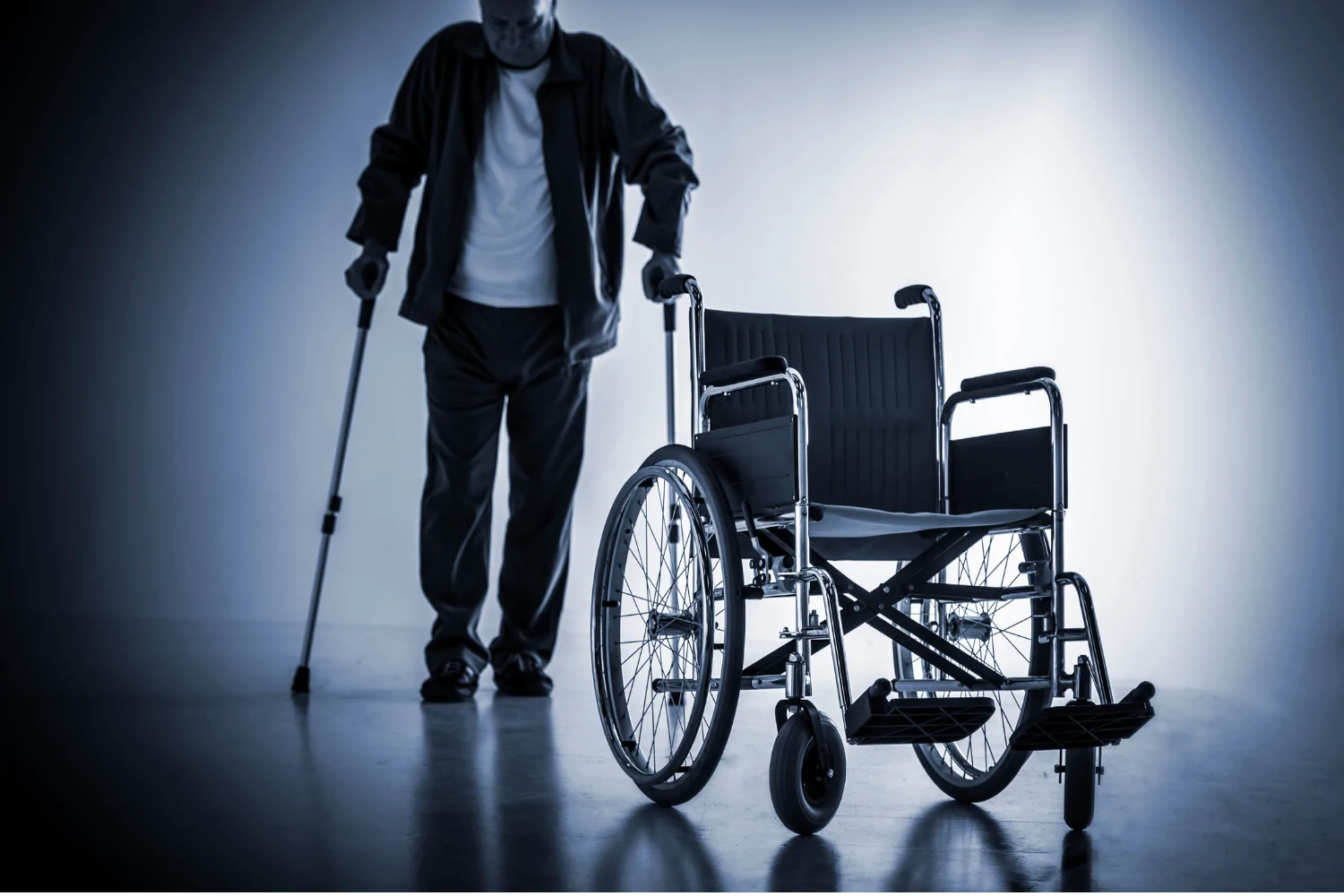
Yes, it is possible to win a VA claim without a medical nexus letter if the evidence already demonstrates the connection between your current disability and military service.
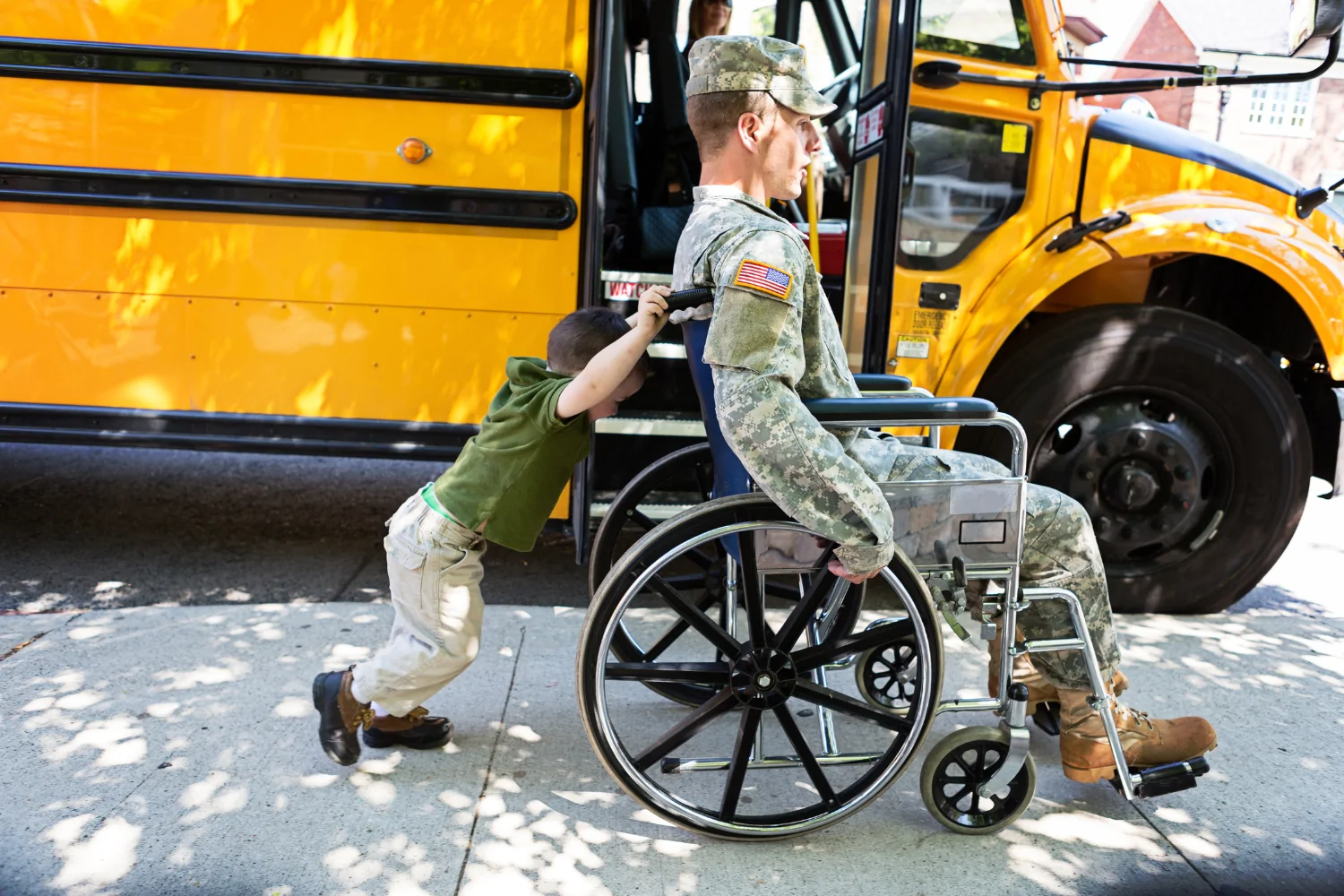
Understanding how secondary conditions develop helps veterans better connect the full impact of their military service and pursue the VA benefits and support they may be entitled to.

When filing a VA disability claim, the challenge is often not the diagnosis itself but proving how the condition connects to military service or an existing service-connected disability. That is where a well-supported medical nexus letter can matter.

Many veterans leave the military believing they are completely fine, only to develop pain, chronic illness, or other health problems years later. This can be
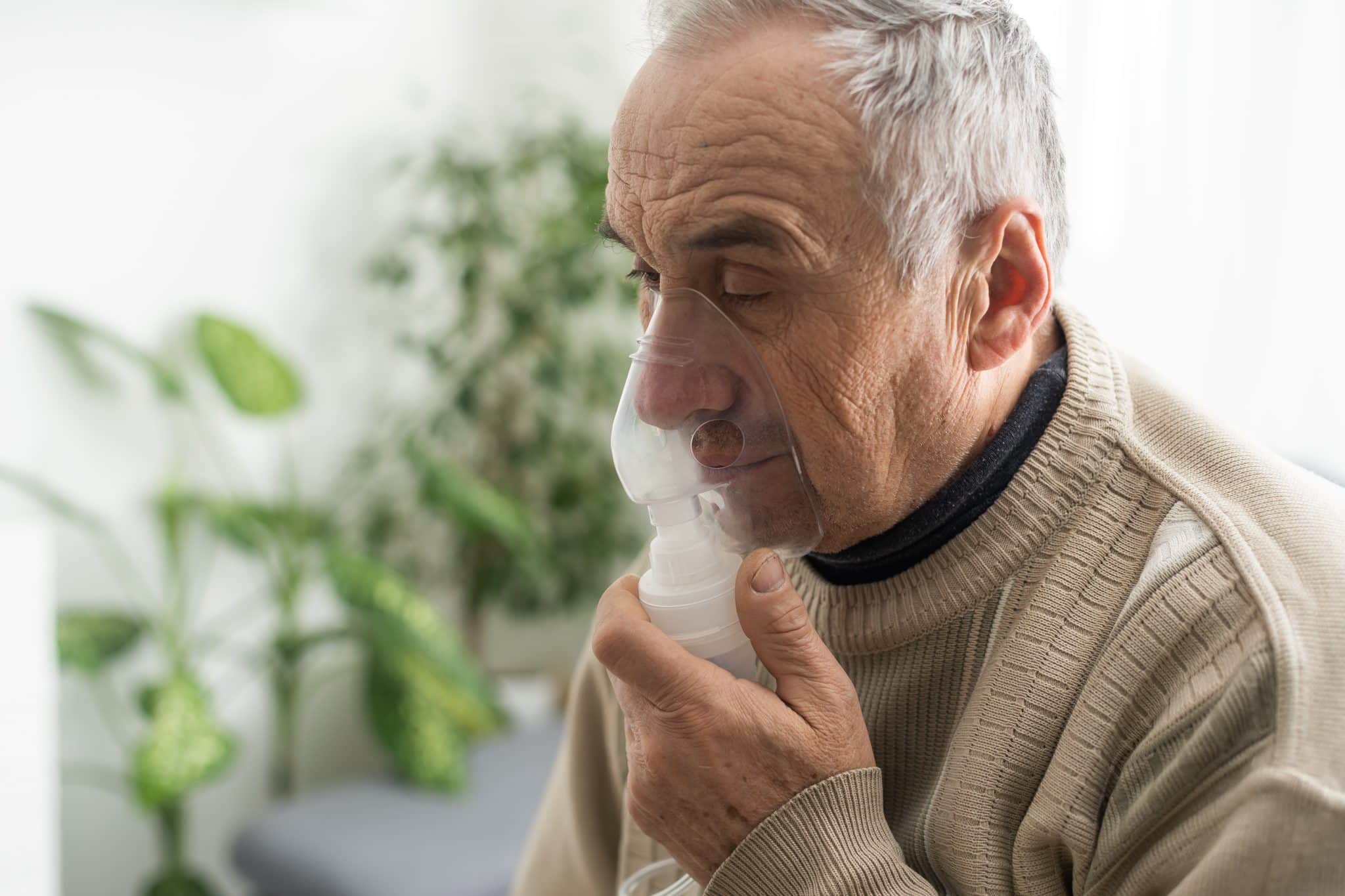
For years, many service members were told that burn pit smoke was simply part of deployment life and not something to worry about long term.

Many veterans hear the same frustrating phrases during medical appointments: “You only have mild degeneration.” “Your MRI doesn’t look that bad.” “There’s nothing severe on
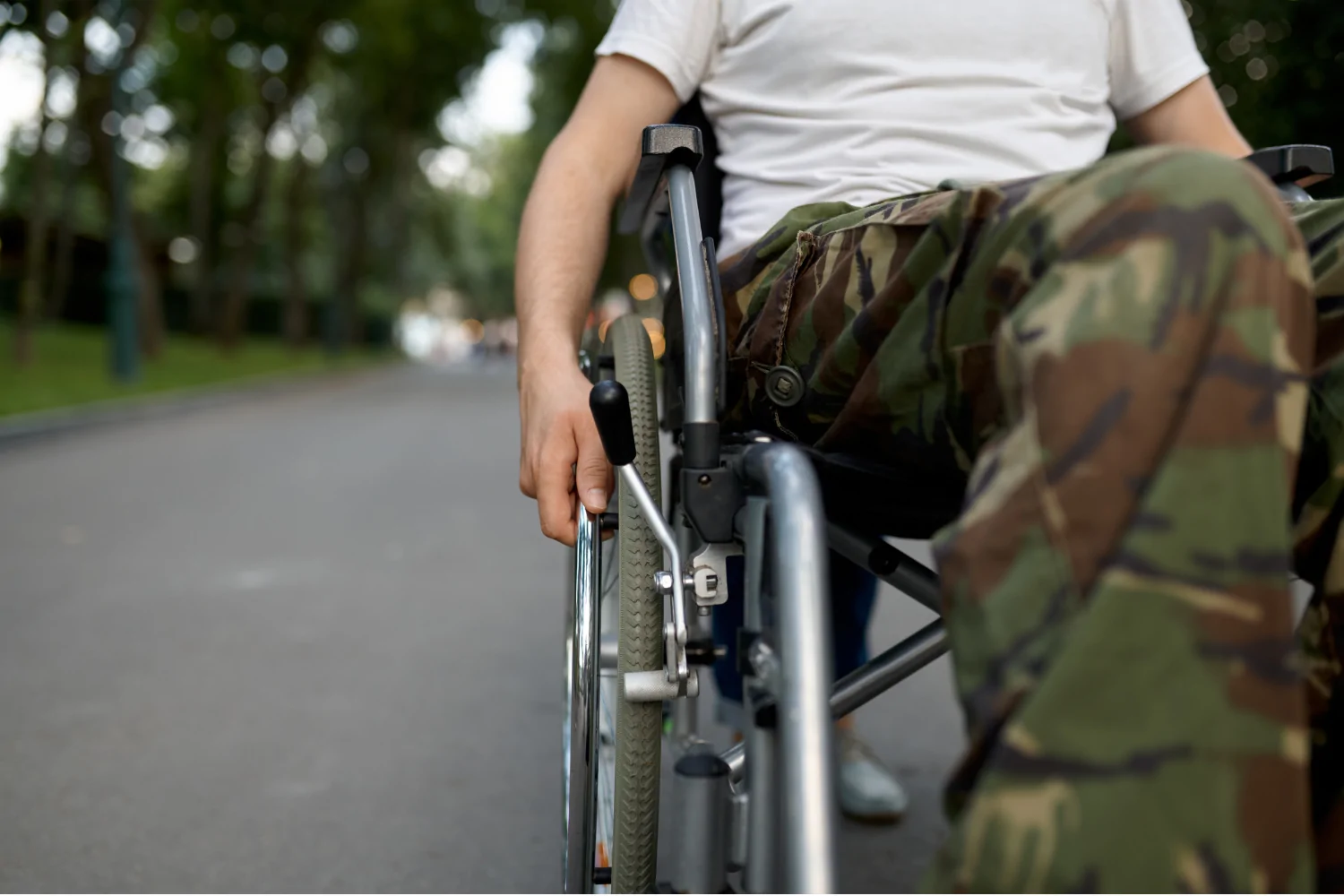
Eligibility for Total Disability based on Individual Unemployability (TDIU) generally depends on whether a veteran meets specific VA requirements related to service-connected disabilities and occupational impairment.