

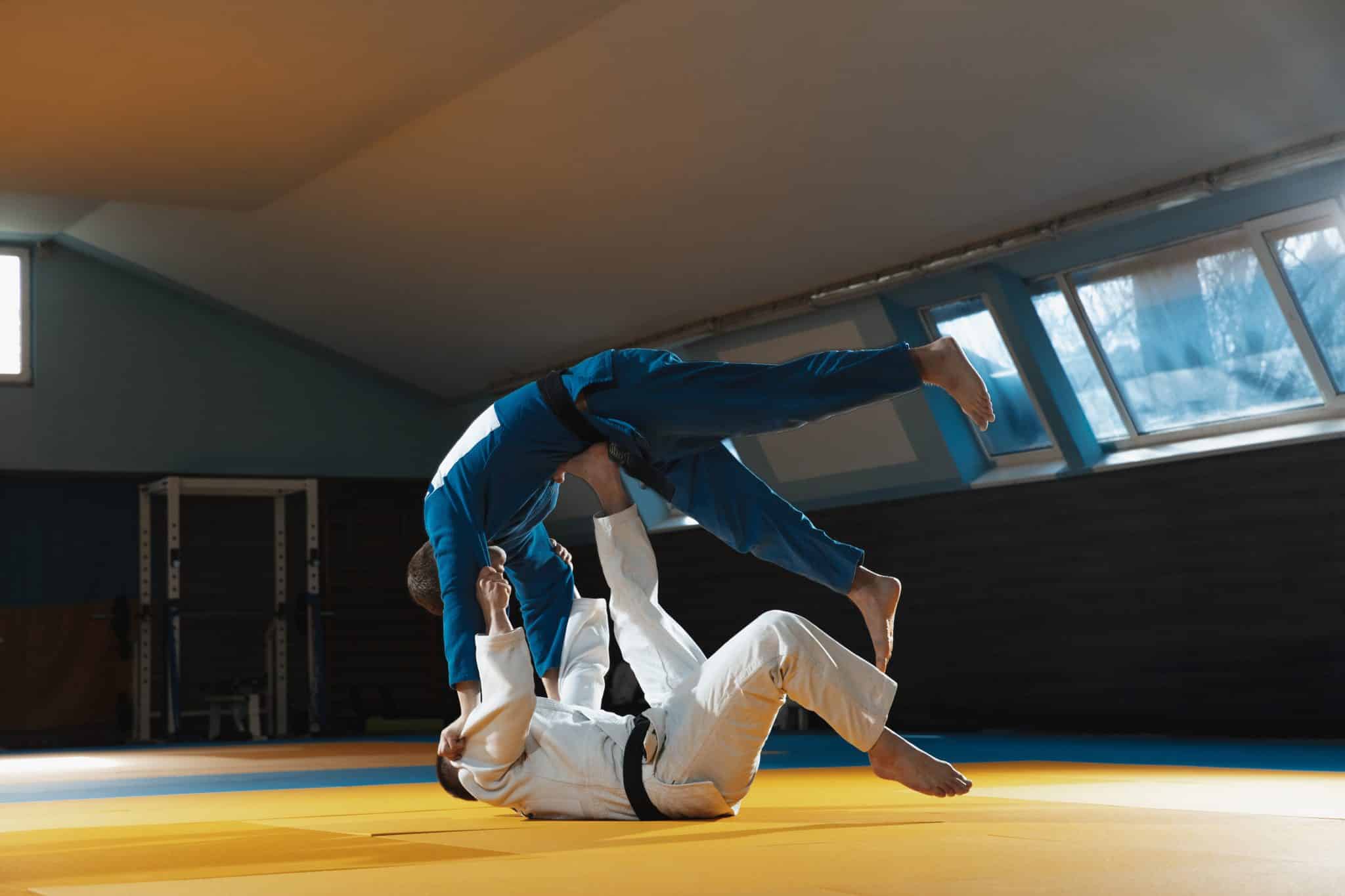
After leaving the military, many veterans find themselves searching for something they cannot quite name. It is not always about fitness or even purpose in the traditional sense. It is something deeper. Structure, intensity, challenge, and connection are suddenly missing from daily life. Interestingly, a large number of veterans end up in the same place during this search: a Brazilian jiu-jitsu gym.
This is not a coincidence. Veterans from all backgrounds, including infantry, medics, pilots, and logistics personnel, are drawn to Brazilian jiu-jitsu, often without realizing why at first. Once they step onto the mats, something clicks. The environment feels strangely familiar. The pressure, the focus, the problem solving, and the intensity resemble aspects of military life in a way that few civilian activities can replicate.

Table of Contents
The Transition Challenge After Military Life
One of the biggest challenges veterans face after leaving the military is the sudden loss of structure. Military life is built around routine and discipline. There are clear missions, defined roles, and high expectations. Daily physical training, accountability, and teamwork are part of the culture.
When that structure disappears, the change can feel abrupt and disorienting. Many veterans experience restlessness or a sense that something is missing. The nervous system, which has adapted to years of high focus and controlled stress, no longer has the same outlet.
This is where Brazilian jiu-jitsu enters the picture. It offers a structured environment that brings back a sense of purpose and challenge without the risks associated with military operations.
Controlled Stress in a Safe Environment
One of the most powerful aspects of Brazilian jiu-jitsu is its ability to recreate stress in a controlled and safe way. During training, practitioners experience physical pressure, fatigue, and the need to make quick decisions under stress.
For veterans, this type of stress feels familiar. It mirrors the mental and physical demands they faced during service. However, there is a key difference. In jiu-jitsu, the stress is voluntary and contained. There is no real danger, and participants can push themselves while knowing they are in a safe environment.
This controlled exposure to stress can be incredibly beneficial. It helps regulate the nervous system and allows veterans to continue developing skills they relied on during their service, such as focus, resilience, and composure under pressure.
Learning to Stay Calm Under Pressure
One of the first lessons in Brazilian jiu-jitsu is learning how to stay calm when under physical threat. It is not uncommon for beginners to panic when someone applies pressure or attempts a submission. Heart rates spike, breathing becomes shallow, and the body reacts instinctively.
Over time, however, practitioners learn to control these reactions. They develop the ability to breathe steadily, slow their heart rate, and think clearly even in uncomfortable situations.
For veterans, this process builds on skills they already possess. Many have been trained to remain calm in high pressure environments. Jiu-jitsu provides a space where those abilities can continue to grow and evolve.
Strategic Thinking and Problem Solving
Brazilian jiu-jitsu is often described as physical chess. Every movement creates a reaction, and every position presents multiple options. Success depends on strategy, timing, and adaptability.
This aspect of the sport is particularly appealing to veterans. During military service, decision making often takes place in complex and dynamic environments. The ability to think several steps ahead and adapt to changing situations is essential.
Jiu-jitsu recreates this type of mental engagement. Practitioners must constantly analyze their position, anticipate their opponent’s moves, and adjust their strategy in real time. This level of cognitive involvement makes training both challenging and deeply satisfying.
The Return of Camaraderie
One of the most commonly missed aspects of military life is the sense of camaraderie. The bonds formed through shared experiences, challenges, and hardships are difficult to replace.
Brazilian jiu-jitsu gyms often recreate this sense of community. Training partners become teammates. They support each other, learn together, and celebrate progress as a group.
Over time, these relationships grow into strong connections. For many veterans, this sense of belonging is one of the most meaningful parts of training. It fills a gap that is often left after leaving the military.
A Powerful Outlet for Stress Relief
Training in Brazilian jiu-jitsu is physically demanding and mentally engaging. This combination makes it an effective outlet for stress.
Intense physical activity triggers the release of endorphins and other neurotransmitters associated with improved mood and reduced stress. At the same time, the mental focus required during training helps clear the mind.
Many practitioners describe feeling lighter, calmer, and more focused after a session. For veterans dealing with the challenges of transition, this can be incredibly valuable.
Discipline and Long Term Growth
Military culture emphasizes discipline, persistence, and continuous improvement. Brazilian jiu-jitsu operates on the same principles.
Progress in jiu-jitsu is not immediate. It requires patience and consistency. Practitioners spend months or even years mastering the basics. Failure is part of the process. Being submitted is common, especially in the early stages.
However, over time, improvement becomes visible. Skills develop, confidence grows, and challenges that once seemed impossible become manageable.
For veterans, this long term growth process feels familiar. It aligns with the mindset they developed during their service, making it easier to stay committed and motivated.
Supporting Mental and Physical Well Being
Research suggests that structured physical activity combined with social interaction and skill development can support both mental and physical health. Brazilian jiu-jitsu naturally incorporates all of these elements.
It provides a structured routine, encourages social connection, and offers continuous opportunities for learning. This combination makes it particularly effective for veterans navigating the transition to civilian life.
Three Key Reasons Veterans Thrive in Jiu-Jitsu
When looking at the bigger picture, three main factors explain why veterans are drawn to Brazilian jiu-jitsu and why they often excel in it.
Controlled Challenge
Jiu-jitsu recreates high intensity situations in a safe and controlled environment. This allows veterans to engage with stress in a way that feels familiar but manageable.
Community
Training partners become a team. The shared effort and mutual support create a strong sense of belonging that many veterans miss after leaving the military.
Continuous Growth
There is always something new to learn in jiu-jitsu. The journey never truly ends, which keeps practitioners engaged and motivated over the long term.
More Than Just a Martial Art
For many veterans, Brazilian jiu-jitsu becomes more than just a form of exercise. It becomes a lifestyle and a source of stability.
Final Thoughts
The connection between veterans and Brazilian jiu-jitsu is not accidental. It is rooted in the unique combination of structure, challenge, and community that the sport provides.
For those who have spent years operating in high pressure environments, jiu-jitsu offers a familiar yet safe space to continue developing important skills. It bridges the gap between military and civilian life in a way that few other activities can.
This is why so many veterans eventually find themselves on the mats. Not because they planned it, but because it gives them something they have been missing.
Also Read: Why Dizziness & Vertigo Are So Hard to Diagnose in Veterans
At Prestige Veteran Medical Consulting, a veteran-owned company, we specialize in Independent Medical Opinions (IMOs) known as Nexus letters.
Our purpose is to empower YOU, the veteran, to take charge of your medical evidence and provide you with valuable educational tools and research to guide you on your journey.
Understanding the unique challenges veterans face, our commitment lies in delivering exceptional service and support.
Leveraging an extensive network of licensed independent medical professionals, all well-versed in the medical professional aspects of the VA claims process, we review the necessary medical evidence to incorporate in our reports related to your VA Disability Claim.
Prestige Veteran Medical Consulting is not a law firm, accredited claims agent, or affiliated with the Veterans Administration or Veterans Services Organizations. However, we are happy to discuss your case with your accredited VA legal professional.