
For many veterans, the memory is vivid. A long day at the firing range ends. The noise fades. Silence finally returns. And then, out of nowhere, a ringing begins. At first, it feels temporary. Something that will fade with rest. But for millions of former service members, that ringing never disappears.
That condition is called tinnitus. And it has quietly become the most common disability claim within the VA system.
Understanding why tinnitus affects so many veterans requires looking beyond the surface. This is not just an ear problem. It is a complex condition involving both physical damage and neurological changes. When you unpack the science, the reasons become much clearer.

Table of Contents
What Is Tinnitus?
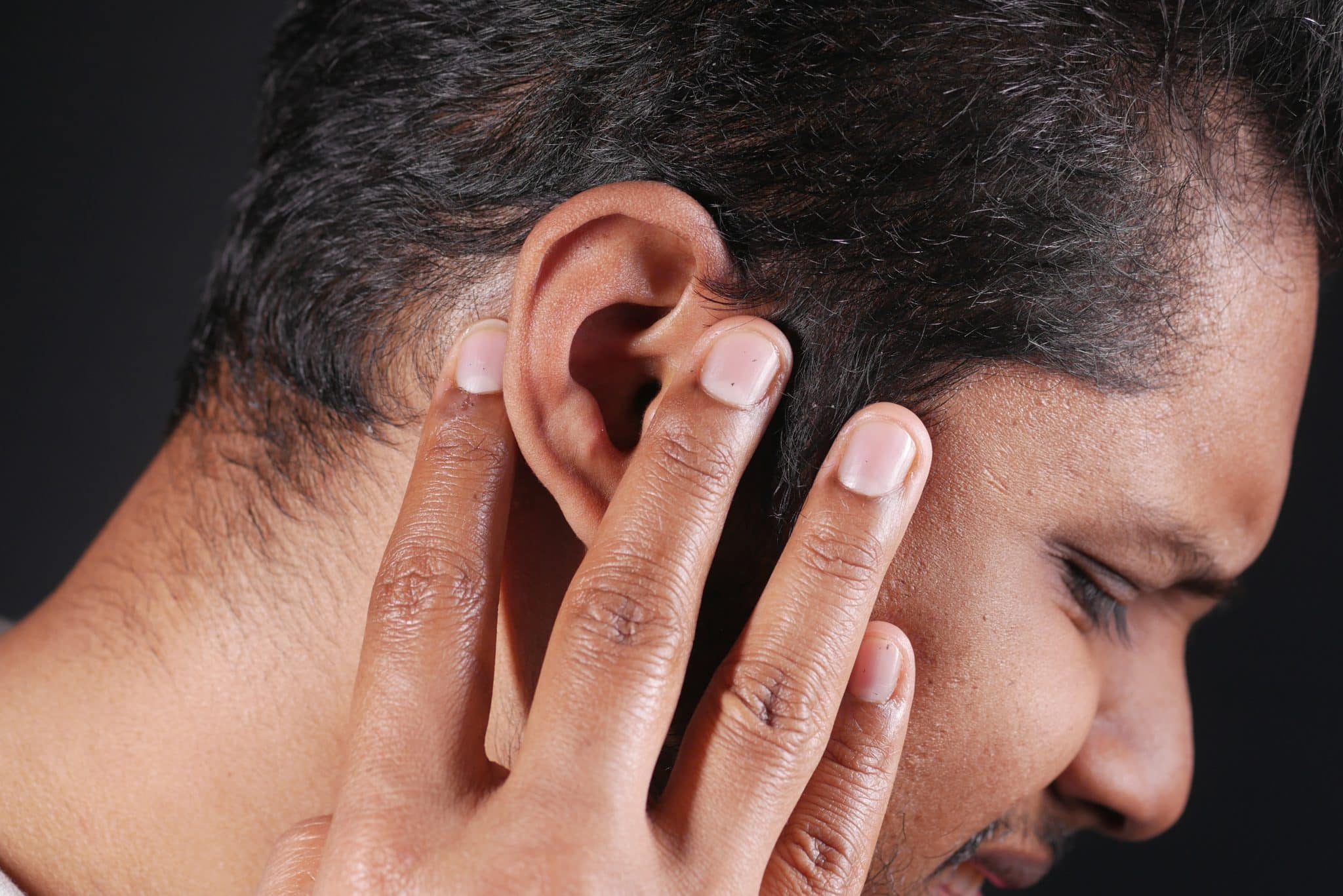
Tinnitus is the perception of sound when no external sound is present. People describe it in different ways. Ringing, buzzing, humming, clicking, or even hissing. The intensity and frequency can vary from person to person.
One of the most surprising aspects of tinnitus is this. The sound you hear is often not coming from your ears at all. In many cases, it is generated by your brain.
This detail is key to understanding why tinnitus is so persistent and so difficult to treat.
Why Veterans Are Especially at Risk
Military service places individuals in environments that are far louder than what most civilians ever experience. These are not occasional exposures. They are repeated, high intensity events that can have lasting effects on the auditory system.
From firearms to aircraft engines, the military environment is filled with extreme noise. Over time, that exposure builds up and increases the likelihood of developing tinnitus.
Let’s break down the five major reasons behind this.
1. Extreme Noise Levels in Military Environments
Military personnel are regularly exposed to some of the loudest sounds in any profession.
Examples include:
- Rifle and machine gun fire
- Artillery blasts
- Explosions and breaching charges
- Aircraft engines
- Armored vehicle operations
Many of these sounds exceed 140 decibels. That is the threshold where instant acoustic trauma can occur.
To put that into perspective:
- A chainsaw is around 110 decibels
- A rock concert is about 120 decibels
Military noise exposure often goes far beyond that.
Even a single exposure at these levels can damage hearing. Repeated exposure increases the risk significantly.
2. Damage to Cochlear Hair Cells
Inside the ear is a structure called the cochlea. It is spiral shaped and filled with tiny sensory cells known as hair cells.
These hair cells play a crucial role. They convert sound vibrations into electrical signals that travel to the brain through the auditory nerve.
The problem is that these cells are extremely delicate.
When exposed to loud noise, they can become damaged or destroyed. And unlike many other cells in the body, they do not regenerate.
Once these hair cells are lost, the auditory system is permanently altered. This loss of input is one of the main biological triggers for tinnitus.
3. Hidden Nerve Damage
Not all hearing damage is immediately obvious.
There is a condition known as cochlear synaptopathy. It sounds complicated, but the idea is simple. Even if the hair cells survive, the connections between those cells and the auditory nerve can still be damaged.
These connections are called synapses. They are responsible for transmitting sound information to the brain.
Research has shown that noise exposure can destroy these synapses without affecting standard hearing test results.
This means a veteran can pass a hearing test and still have significant underlying damage.
This hidden damage often contributes to tinnitus and can also make it harder to understand speech in noisy environments.
4. The Brain Turns Up the Gain
Here is where things get really interesting.
When the ear sends fewer signals to the brain due to damage, the brain tries to compensate. It essentially turns up the volume in the auditory system to detect missing input.
This process is known as maladaptive neuroplasticity.
Instead of restoring normal hearing, this adjustment can lead to unintended consequences. The increased neural activity can create spontaneous electrical signals in the brain.
The brain interprets these signals as sound.
That sound becomes the ringing or buzzing associated with tinnitus.
In other words, the brain is trying to fix the problem, but in doing so, it creates a new one.
5. Repeated Exposure Over Time
Tinnitus is rarely caused by a single event. In military settings, noise exposure happens repeatedly over months or years.
Training exercises, deployments, and daily operations all contribute.
Even when hearing protection is used, it may not fully prevent damage from high intensity impulse noise.
Certain military roles carry a higher risk, including:
- Infantry
- Artillery units
- Aviation crews
- Combat engineers
- Armor divisions
Over time, this repeated exposure creates cumulative damage. Each event adds a little more stress to the auditory system.
Eventually, that damage reaches a tipping point.
What Research Tells Us
Scientific research has played a major role in understanding tinnitus.
Studies have shown that even temporary noise exposure can lead to permanent damage in the auditory nerve. Other research has highlighted how the brain changes in response to reduced input from the ears.
These findings support an important idea.
Tinnitus is not just a hearing issue. It is a neurological condition involving changes in how the brain processes sound.
This explains why the condition can persist long after the original exposure.
Why Tinnitus Is So Common in VA Disability Claims
Tinnitus is the most common VA disability for several reasons.
First, military service often includes documented exposure to loud noise. This makes it easier to establish a connection between service and the condition.
Second, tinnitus can develop even when hearing loss is mild or not easily detected. This increases the number of cases that qualify for compensation.
Third, the condition is widespread. Millions of veterans experience symptoms to some degree.
Because of these factors, tinnitus has become the leading service connected disability in the VA system.
Why Tinnitus Often Becomes Chronic
One of the most frustrating aspects of tinnitus is its persistence.
Once it develops, it can become a long term condition due to changes in the brain.
These changes may involve:
- Altered activity in the auditory cortex
- Increased neural synchrony
- Changes in brainstem signaling
The brain adapts to the new normal, even if that normal includes constant noise.
This is why many veterans report that their tinnitus started during service and never fully went away.
How Tinnitus Affects Daily Life
Not all tinnitus is the same.
For some, it is a mild annoyance that only becomes noticeable in quiet environments.
For others, it can be much more disruptive.
Common challenges include:
- Difficulty sleeping
- Trouble concentrating
- Increased stress or anxiety
- Difficulty understanding speech in noisy settings
The variability of symptoms is one reason tinnitus can be so difficult to manage.
Three Important Things Veterans Should Know
1. You Are Not Alone
Tinnitus is extremely common among veterans. If you have experienced loud environments during service, your symptoms are shared by many others.
2. Normal Hearing Tests Do Not Mean No Damage
Hidden nerve damage can exist even when hearing tests appear normal. If you have symptoms, they are valid regardless of test results.
3. Symptoms Can Vary Widely
Tinnitus affects everyone differently. Understanding this can help set realistic expectations and guide treatment options.
Final Thoughts
Tinnitus has become the number one VA disability for a reason. Military service exposes individuals to extreme noise levels that can damage the delicate structures of the ear and alter how the brain processes sound.
The combination of physical injury and neurological adaptation creates a condition that is often persistent and difficult to ignore.
Understanding the science behind tinnitus does more than explain its prevalence. It also validates the experiences of millions of veterans who live with it every day.
If you are dealing with tinnitus, your experience is real. And more importantly, you are far from alone.
Also Read: Why Veterans Are Drawn to Jiu-Jitsu
At Prestige Veteran Medical Consulting, a veteran-owned company, we specialize in Independent Medical Opinions (IMOs) known as Nexus letters.
Our purpose is to empower YOU, the veteran, to take charge of your medical evidence and provide you with valuable educational tools and research to guide you on your journey.
Understanding the unique challenges veterans face, our commitment lies in delivering exceptional service and support.
Leveraging an extensive network of licensed independent medical professionals, all well-versed in the medical professional aspects of the VA claims process, we review the necessary medical evidence to incorporate in our reports related to your VA Disability Claim.
Prestige Veteran Medical Consulting is not a law firm, accredited claims agent, or affiliated with the Veterans Administration or Veterans Services Organizations. However, we are happy to discuss your case with your accredited VA legal professional.