
Update (Oct 28, 2025): These changes are still proposed and not yet final. We’ll update this blog when a final rule is published in the Federal Register.
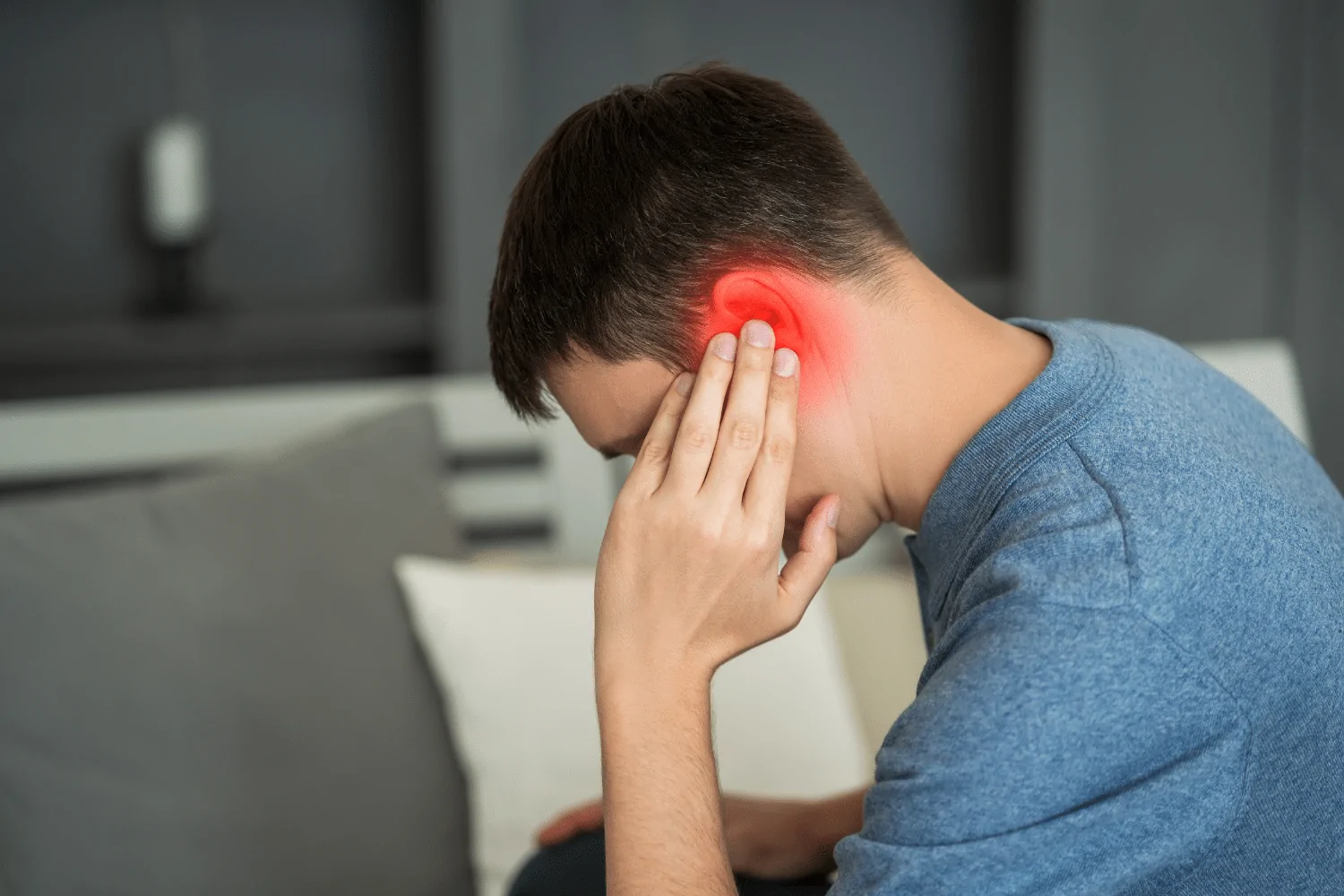
Tinnitus VA rating changes are on the horizon, and every veteran affected by ringing or buzzing in the ears should understand what’s at stake. For years, tinnitus has stood as one of the most commonly compensated service-connected disabilities, providing veterans a modest yet meaningful 10% rating for the daily challenges it brings. But the VA is proposing a major shift that could reshape how future claims are evaluated and how compensation is awarded.
This blog explains what’s changing, what stays protected, and most importantly, steps veterans can take to safeguard their tinnitus VA benefits before the new rules take effect.
Table of Contents
What is the Current Tinnitus VA Rating?
Under the current VA Schedule for Rating Disabilities, recurrent tinnitus is rated at 10 percent under 38 C.F.R. § 4.87, Diagnostic Code 6260, regardless of whether it affects one or both ears.
This flat 10% VA tinnitus rating remains one of the most common disability awards among veterans, recognizing the lasting impact of noise exposure, explosions, and machinery during military service.
According to the 2025 VA disability compensation rates, veterans receive about $175 per month for tinnitus at the 10% level. Although 10% is the maximum VA rating for tinnitus, many veterans qualify for higher overall compensation by filing secondary claims, such as hearing loss, traumatic brain injuries, migraines, TMJ, bruxism, mental health disorders, and insomnia.
Establishing service connection requires:
- A current medical diagnosis of tinnitus.
- Evidence of in-service exposure, such as combat noise or blast injuries.
- A nexus letter from an audiologist or healthcare professional with education in this field linking tinnitus to military service.
Apart from monthly compensation, a 10% VA rating offers additional VA benefits such as healthcare coverage, travel reimbursement, home loan funding, vocational training, and eligibility for college tuition fee waivers.
There’s no objective test for tinnitus VA disability. However, credible self-reports and supporting medical opinions are often sufficient. Filing a VA claim for tinnitus now ensures eligibility under the current rating system before upcoming changes take effect.
What’s Changing in the Proposed VA Tinnitus Rating System?

The VA has proposed a major update to how tinnitus is evaluated that could significantly affect future VA claims. Under the proposed rule, the standalone 10% tinnitus VA disability rating would be eliminated. Instead, tinnitus would be rated only as a symptom of an underlying service-connected condition (e.g. hearing loss, Meniere’s disease, or TBI) rather than as a separate disability.
Under the new framework (if finalized):
- Standalone tinnitus VA disability claims will no longer be accepted.
- If tinnitus is linked to non-compensable (0%) service-connected hearing loss, a 10% disability rating may still be granted.
- If hearing loss (or another related condition) is rated at 10% or higher, tinnitus would be included in that rating, and no additional compensation will be given.
- If linked to another service-connected condition (e.g., Meniere’s disease, traumatic brain injury, or cerebral atherosclerosis), tinnitus must be evaluated as part of that condition rather than rated separately.
Note: For veterans already receiving a 10% rating for tinnitus, benefits will be grandfathered in and remain protected (38 CFR § 3.951(a)) under the existing rules. However, those who have not yet filed may lose eligibility once the change comes into effect.
Tinnitus is a Symptom, Not a Disease
The VA proposed this rating change to align disability evaluations with current medical understanding that tinnitus is typically a symptom rather than a separate disease. According to the Mayo Clinic, tinnitus is “usually caused by an underlying condition and frequently occurs in association with conditions like hearing loss, head or neck injury, or inner-ear disorders like Meniere’s disease”.
While this proposed update in VA rating criteria reflects modern medical consensus, it may also reduce compensation for veterans whose only diagnosed condition is tinnitus.
Preparing for the VA Tinnitus Rating Change: What Veterans Should Do Now
With changes to the VA tinnitus rating system expected soon, it’s critical that veterans act quickly and strategically to protect their benefits. The current 10% standalone rating for tinnitus may possibly be eliminated or bundled with other conditions, which could reduce your overall compensation.
Here are essential steps to take now to protect your VA benefits, strengthen your evidence, and prepare for the upcoming rating change.
1. Consider Filing Immediately to Lock in Your Current Eligibility
If you haven’t filed a tinnitus VA claim yet, now is the time to do it. Veterans who submit claims using VA Form 21-526EZ before the rule changes take effect will be grandfathered into the current system, preserving their 10% tinnitus disability rating. If you’re still gathering evidence, submit an Intent to File (VA Form 21-0966) today to lock in your effective date and ensure your claim is evaluated under the current, more favorable rating criteria.
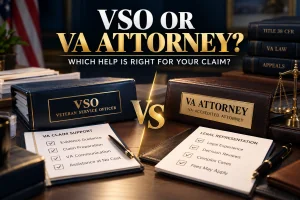
Consider consulting an accredited Veterans Service Organization (VSO), claims agent, or attorney before filing.
2. Gather Evidence for Demonstrating a Clear Service Connection
A successful tinnitus claim depends on showing that your symptoms are caused or aggravated by your military service or other service-connected conditions.
Here’s how to build your tinnitus VA disability case:
- Obtain a current medical diagnosis of tinnitus (e.g., from an audiologist or ENT) that also documents its onset.
- Document your in-service noise exposure: MOS assignments (e.g., aircraft maintenance, armored vehicle, artillery), training records, flight lines, weapons use, or deployments.
- Obtain a nexus (medical opinion) linking your tinnitus to your service or to another service-connected condition (e.g., hearing loss, facial trauma). This will become even more vital under the new rules.
- Get lay statements (VA Form 21-10210 – Lay/Witness Statement) that can attest to when you first experienced ringing or buzzing, how it has persisted, and how it affects your daily life.
Tip: Consider making sure your diagnosis is recent (within the last year) and describes both-ear and one-ear impact (if applicable). Keep all audiology reports and treatment logs in one file.
3. Obtain Updated Audiology Reports
Because the proposed rule may grant a 10% VA disability rating for tinnitus if it is linked to service-connected hearing loss, veterans should submit an updated audiology report with their VA claims that reflects all relevant audiological and related conditions.
Schedule a recent audiology examination that includes:
- Nature of your tinnitus (constant, intermittent, one ear, or both).
- Pure-tone threshold audiometry and word-recognition scores to evaluate whether hearing loss is compensable (10% or higher) or noncompensable (0%).
- Documentation of other auditory/vestibular conditions (e.g., balance issues, Meniere’s disease, vestibular dysfunction).
- Evaluations of comorbidities such as TBI residuals, neurocognitive impairments, sleep disturbances, or mental-health impacts associated with buzzing in the ear.
Bring all prior audiograms and medical records to your new C&P exam so the examiner can document any progression or worsening of your condition.
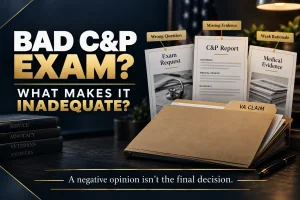
4. Prepare Thoroughly for Your C&P Exam
The Compensation & Pension (C&P) exam often plays a decisive role in how your condition is rated. Hence, thorough preparation is required.
Keep a detailed symptom diary that tracks how often you experience buzzing in the ears, how loud it is, what triggers it (such as noise or stress), and how it affects your sleep, mood, and concentration.
During the C&P exam, explain how tinnitus symptoms limit your daily functioning. For example, give statements like, “Because of the constant ringing in my ears, I often have difficulty sleeping at night. During the day, I feel worn out and can’t concentrate as well, which makes it tough to perform well at my job and stay patient with people.”
Bring documentation of past audiograms, treatment history, and any hearing protection used during service. If a VA tinnitus rating change is finalized, C&P examiners may focus on how it affects your functioning as part of broader hearing issues.
Review the Ear Conditions (Including Vestibular and Infectious Conditions) Disability Benefits Questionnaire (DBQ), which is the official form used to evaluate tinnitus, so you can prepare for the questions the examiner will be asking.
5. Strengthen Existing or Pending Tinnitus Claims
If you already have a claim pending or denied, review your file before the rule changes. For a pending claim, add evidence now via VA.gov (Disability → Upload evidence) or a VSO or other accredited legal representative so it’s considered before a decision.
- Submit a detailed personal statement (VA Form 21-4138) describing onset, frequency, progression, and functional impact.
- Update your VA tinnitus claim with new treatment records or audiology notes showing continued or worsening symptoms.
- Add supporting evidence such as:
- Hearing protection logs
- Buddy letters from friends, fellow service members, or family confirming noticeable symptoms during or after service
- Work accommodations due to constant ringing in the ears
- Request additional nexus letters explaining how your tinnitus ties to your service and any other service-connected condition when applicable.
If your tinnitus claim was previously denied, consider options under the Appeals Modernization Act, like requesting a supplemental claim review under the existing VA rating criteria, to preserve your entitlement to a 10% compensation rate. Updating all this evidence now can also protect your right to retroactive benefits before the new criteria are approved.
6. Document Secondary Conditions to Preserve Eligibility
Because VA disability for tinnitus will likely need to be linked to another condition under the new regulations, veterans must identify and document secondary conditions (38 CFR § 3.310). This ensures that all related disabilities are recognized, helping veterans preserve eligibility for VA compensation when tinnitus is no longer rated as a standalone claim.
VA Disabilities Having Tinnitus as a Symptom:
Hearing Loss: Tinnitus linked to hearing loss is a primary scenario under the proposed rule. If hearing loss is rated 0%, you may still get the 10% for tinnitus, and if it is rated higher, you may focus on maximizing the hearing loss VA rating.
Traumatic Brain Injury (TBI): Many veterans develop tinnitus after head injuries or nerve damage. TBI is generally rated from 0% to 100%.
Meniere’s Disease: This inner ear disorder often accompanies episodes of vertigo, hearing loss, and tinnitus. The VA rates Meniere’s Disease between 30% and 100%.
Temporomandibular Joint (TMJ) Disorder: Jaw misalignment or TMJ inflammation can contribute to or worsen tinnitus symptoms. TMJ disorders can be rated up to 50%.
Cervical Spine or Neck Injuries: Damage to the cervical spine or nerve compression can cause somatic tinnitus.
Migraines: Frequent or severe migraines can trigger or exacerbate ringing in the ears through neurological and vascular mechanisms. The highest VA rating for migraine headaches is 50%.
Post-Traumatic Stress Disorder (PTSD): Veterans with PTSD often experience heightened awareness and stress responses that can intensify tinnitus perception or vice versa.
Sleep Disorders: Conditions like insomnia or sleep apnea can worsen ringing in the ears due to fatigue, stress, and poor restorative rest.
Tip: Veterans with an existing 10% tinnitus rating can still file secondary claims to seek additional VA benefits for disabilities caused or aggravated by the condition, regardless of the VA’s new rating criteria.
How the New Tinnitus Rule Could Affect You
The VA’s upcoming rule change may affect how new tinnitus claims are handled. Here are three possible scenarios to help you understand what to expect:
1. If You Already Receive a Tinnitus Rating
Your current benefits remain safe. You’ll be “grandfathered in,” meaning the change in VA tinnitus regulations won’t affect your existing compensation.
2. If Your Tinnitus Claim is Still Pending
If your claim was submitted before the new rule takes effect, it will likely be reviewed under the current system. You could still qualify for the 10% tinnitus rating if your claim is approved.
3. If You Plan to File a New Claim
You can still submit an initial claim now under Diagnostic Code 6260. Acting quickly ensures your claim is reviewed using the current criteria before the updated regulation becomes active.
How to File a Tinnitus VA Disability Claim According to VA.gov
Filing a VA claim for tinnitus by following these steps ensures your claim is properly documented, processed, and protected under current VA rules.
Step 1: Gather all Evidence
Collect essential documentation, including your service treatment records, medical records, any private audiology reports, and a nexus letter clearly linking your tinnitus to your military service.
Step 2: Complete the VA Disability Application (VA Form 21-526EZ)
Once your evidence is ready, complete and submit VA Form 21-526EZ online at VA.gov, by mail, or through a Veterans Service Officer (VSO), along with supporting documentation.
Clearly identify “tinnitus” as your claimed condition and include any related conditions, such as hearing loss or head injury. Keep copies of all submitted documentation.
Step 3: Attend the Compensation & Pension (C&P) Exam
VA will schedule a C&P exam to confirm your diagnosis and its connection to service. Describe how persistent ear ringing affects your daily life and functioning to strengthen your functional impact evidence.
Step 4: Track and Respond to VA Updates
Monitor your claim status at VA.gov/claim-or-appeal-status/. Respond promptly to VA requests for additional information. Once approved, you’ll receive a formal VA Rating Decision Letter based on the evaluation.
Step 5: If Denied, File an Appeal
If your claim is denied, then file an appeal through one of the VA’s review options (Supplemental Claim, Higher-Level Review, or Board Appeal) within one year to preserve your effective date and strengthen your evidence.
Work with a VA-accredited representative, claims agent, or attorney who specializes in VA disability and is updated on the tinnitus rating changes.
Final Thoughts
As the VA prepares to overhaul its tinnitus rating system, veterans should act with urgency and clarity. The proposed changes may redefine tinnitus from a standalone disability to a mere symptom, potentially reducing compensation for those who wait too long to file. Veterans who file VA claims now, supported by evidence of formal diagnosis, in-service noise exposure, and nexus opinions, can safeguard their hard-earned benefits under the more favorable rules. Hence, timely preparation today ensures you’re not left unheard when the VA rating changes for tinnitus become reality.
Frequently Asked Questions (FAQs)
What are the new VA rules for tinnitus?
Under the proposed VA rules, tinnitus will no longer receive a standalone 10% disability rating and will only be rated as a symptom of another service-connected condition like hearing loss, Meniere’s disease, or TBI.
How to get a 10 percent VA rating for tinnitus under proposed rules (not final)?
Under new rules, veterans will receive a separate 10% VA rating for tinnitus only when it is linked to service-connected hearing loss rated at 0% (non-compensable).
How to prove VA disability for tinnitus?
Veterans must provide a current medical diagnosis, evidence of in-service noise exposure, and a nexus letter linking tinnitus to military service.
Why is a VA claim for tinnitus denied?
VA disability for tinnitus is often denied due to:
- Lack of a current medical diagnosis
- Insufficient evidence of in-service noise exposure
- Weak or missing nexus opinions connecting tinnitus to military service
- Incomplete documentation
- Failure to attend Compensation and Pension (C&P) exams
What is the highest VA rating for tinnitus?
The highest VA rating for tinnitus is 10%, regardless of whether it affects one or both ears.
What are the 5 secondary conditions to tinnitus?
The top secondary conditions to tinnitus are:
- Hearing loss
- Insomnia or sleep disorders
- Migraines or vertigo
- Post-traumatic stress disorder (PTSD)
- Other mental health issues (like anxiety or depression)
Is tinnitus secondary to PTSD?
Yes, tinnitus can be secondary to PTSD, as stress and hyperarousal from PTSD can intensify the perception and severity of tinnitus symptoms.
Also read: VA Hearing Loss Rating Chart and Compensation Guide
At Prestige Veteran Medical Consulting, a veteran-owned company, we specialize in Independent Medical Opinions (IMOs) known as Nexus letters.
Our purpose is to empower YOU, the veteran, to take charge of your medical evidence and provide you with valuable educational tools and research to guide you on your journey.
Understanding the unique challenges veterans face, our commitment lies in delivering exceptional service and support.
Leveraging an extensive network of licensed independent medical professionals, all well-versed in the medical professional aspects of the VA claims process, we review the necessary medical evidence to incorporate in our reports related to your VA Disability Claim.
Prestige Veteran Medical Consulting is not a law firm, accredited claims agent, or affiliated with the Veterans Administration or Veterans Services Organizations. However, we are happy to discuss your case with your accredited VA legal professional.