

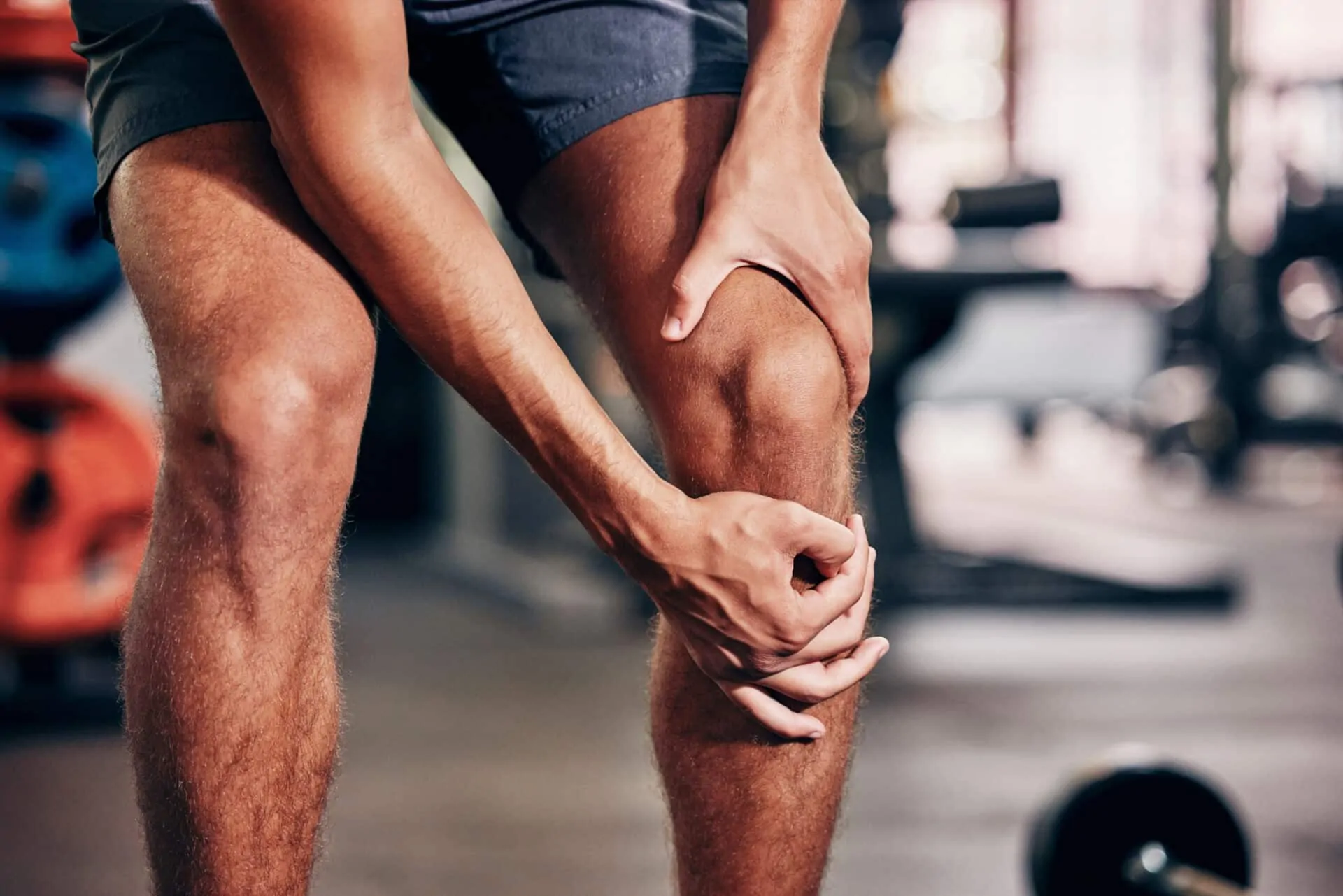
Knee pain is a prevalent issue among veterans, often stemming from the rigorous activities performed during active duty. Leah Bucholz analyzes the common knee injuries observed among veterans, their potential long-term consequences, and the possibility of receiving Veterans Affairs (VA) disability benefits for these conditions.
Table of Contents
Understanding Knee Anatomy
Before delving into specific knee injuries, let’s briefly understand the knee’s anatomy. The knee comprises bones, muscles, ligaments, and tendons. The femur, tibia, and fibula are the primary bones, with the patella situated in the front. The patellar tendon, connecting to the tibial tuberosity, plays a crucial role in knee function. Muscles, ligaments, and tendons provide stability to the knee joint.
Common Overuse Injuries
Patellar Tendonitis
Patellar tendonitis is a prevalent overuse injury characterized by irritation and inflammation around the patellar tendon. Veterans may experience this condition due to the constant strain on their knees during activities like running or rug marching. Proper rest, stretching, and working with a physical therapist can aid in recovery.
Chondromalacia
Chondromalacia occurs when cartilage on articulating surfaces wears down, leading to thinning. This condition often results from poor running mechanics or excessive strain on the knees. If not addressed, it can progress to bone-on-bone contact, causing osteoarthritis and chronic pain.
Iliotibial (IT) Band Syndrome
IT Band Syndrome is an extra-articular condition where the connective tissue running from the hip to the leg becomes irritated, causing lateral knee pain. While it may not directly link to conditions within the joint, it can impact a veteran’s overall knee health.
Arthritis
Arthritis, particularly osteoarthritis, is a common consequence of chronic knee injuries. When cartilage is worn down, the knee joint experiences bone-on-bone contact, leading to painful bony changes. Osteoarthritis is often irreversible and may necessitate knee replacements in severe cases.
Traumatic Knee Injuries
Meniscal Tears
The meniscus, a circular structure on the tibial plateau, provides stability to the knee joint. Twisting injuries or long-standing degeneration can lead to meniscal tears. Symptoms include locking or catching sensations, requiring surgical intervention in severe cases.
Anterior Cruciate Ligament (ACL) and Posterior Cruciate Ligament (PCL) Injuries
The ACL and PCL are crucial ligaments stabilizing the knee joint. Traumatic injuries, often resulting from hits or accidents, can cause tears. The ACL is commonly injured in side impacts, while the PCL may tear during incidents like car accidents. Severe cases, such as the “terrible triad,” involve simultaneous injuries to the ACL, MCL (medial collateral ligament), and meniscus.
Seeking VA Disability for Knee Conditions
Establishing Service Connection
For veterans seeking disability benefits, establishing a service connection is crucial. In-service documentation, continuity of care, and a reliable history of the knee condition are vital factors. Veterans without documented complaints during service may face challenges, but supporting evidence, such as buddy statements or eyewitness accounts, can strengthen claims.
Secondary Service Connection
Veterans may also pursue secondary service connection if knee conditions contribute to or worsen other orthopedic issues. Factors like impaired gait, obesity due to limited mobility, or the need for assistive devices can support secondary claims.
Range of Motion and Impact on Daily Life
When assessing disability claims, the VA considers factors such as range of motion and the impact on daily life. Severe limitations, regardless of the specific diagnosis, can warrant higher disability ratings. Veterans should emphasize how their knee conditions affect their ability to work, engage in daily activities, and maintain a satisfactory quality of life.
Conclusion
Knee pain among veterans is a complex issue with various causes and consequences. Understanding the anatomy of the knee, common injuries, and the process of seeking VA disability benefits is crucial for veterans navigating the post-service healthcare system. While the road to obtaining disability benefits may present challenges, a comprehensive approach, including medical evidence, documentation, and expert guidance, can enhance the chances of a successful claim. Veterans deserve the support and recognition of the sacrifices made during their service, and accessing disability benefits is one way to address the long-term effects of knee injuries.
Also read: The Benefits of Psychedelics on PTSD
At Prestige Veteran Medical Consulting, a veteran-owned company, we specialize in Independent Medical Opinions (IMOs) known as Nexus letters.
Our purpose is to empower YOU, the veteran, to take charge of your medical evidence and provide you with valuable educational tools and research to guide you on your journey.
Understanding the unique challenges veterans face, our commitment lies in delivering exceptional service and support.
Leveraging an extensive network of licensed independent medical professionals, all well-versed in the medical professional aspects of the VA claims process, we review the necessary medical evidence to incorporate in our reports related to your VA Disability Claim.
Prestige Veteran Medical Consulting is not a law firm, accredited claims agent, or affiliated with the Veterans Administration or Veterans Services Organizations. However, we are happy to discuss your case with your accredited VA legal professional.