

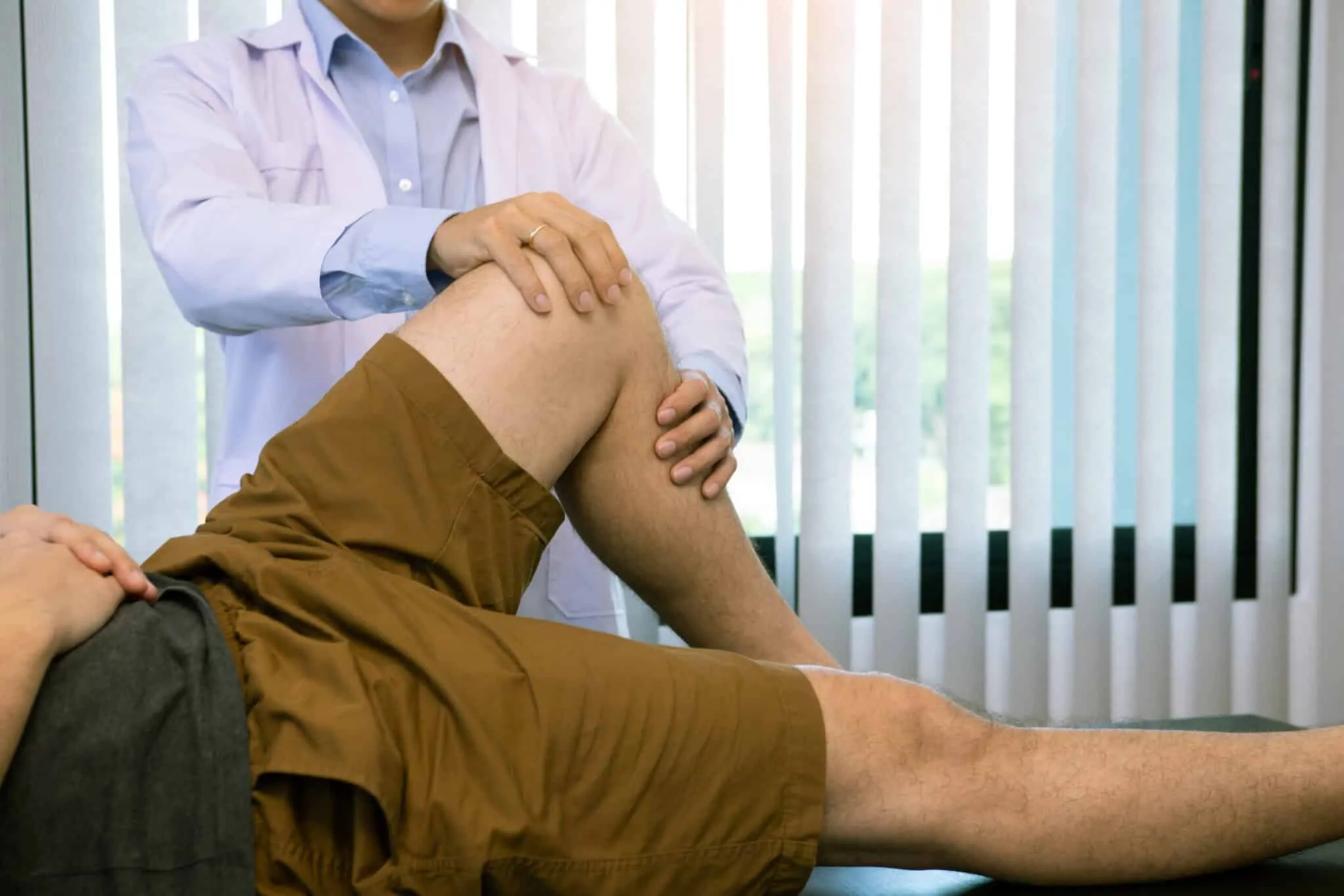
Knee pain is a prevalent issue among veterans, often stemming from the rigorous physical demands of military service. This pain can lead to various secondary conditions that impact overall health and quality of life. As a former C&P examiner and current medical opinion provider for veterans seeking benefits, Leah has seen a range of conditions linked to knee pain. Let’s see the top five conditions related to knee pain in veterans disability, based on her experience and supported by relevant literature.

Table of Contents
1. Contralateral Knee Pain
One of the most common secondary conditions veterans encounter is pain in the opposite knee. This typically results from compensatory behaviors and gait abnormalities. When one knee is injured or in pain, veterans often alter their stance and gait to minimize discomfort. This compensation can strain the other knee, leading to pain and potentially further injury.
Gait Disturbances
Gait disturbances are deviations from normal walking patterns and are often caused by knee pain. These disturbances can arise suddenly and have various etiologies. The altered gait from a painful knee can lead to abnormal stresses on the opposite knee, causing pain and dysfunction.
Patellofemoral Syndrome
Patellofemoral syndrome is another condition linked to compensatory mechanisms. The patellofemoral joint’s function relies on the interaction between static and dynamic structures of the lower extremity. Issues such as leg length discrepancies, abnormal foot morphology, and muscle weaknesses can result from compensatory gait and contribute to pain in the other knee.
2. Hip Pain and Dysfunction
Hip pain is another secondary condition related to knee pain. The interconnected nature of the musculoskeletal system means that an issue in the knee can affect the hip, and vice versa. Gait abnormalities caused by knee pain can lead to hip problems due to uneven weight distribution and altered biomechanics.
Hip-Knee Interaction
When a veteran favors one side due to knee pain, the hip on the same side often bears additional stress. This can lead to conditions such as hip bursitis, tendinitis, or even arthritis. Over time, these issues can become chronic, compounding the initial knee problem and making mobility even more challenging.
Literature Support
Studies in StatPearls highlight that musculoskeletal imbalances, including those affecting the hip, are common when knee pain is present. These imbalances can lead to further complications, making it essential to address both hip and knee issues in tandem.
3. Gastroesophageal Reflux Disease (GERD)
Knee pain often requires the use of medications, particularly non-steroidal anti-inflammatory drugs (NSAIDs), to manage pain and inflammation. However, prolonged NSAID use can lead to gastrointestinal issues, including gastroesophageal reflux disease (GERD).
NSAID-Induced GERD
A study published in Alimentary Pharmacology and Therapeutics assessed over 6,800 respondents, finding a significant association between NSAID use and GERD symptoms. The American Gastroenterological Association also reported on the mechanisms of gastrointestinal damage from NSAIDs, highlighting the risk of GERD and other GI complications.
Managing Medication Side Effects
Veterans experiencing knee pain should discuss the potential side effects of long-term NSAID use with their healthcare providers. Exploring alternative pain management strategies can help mitigate the risk of developing GERD and other gastrointestinal issues.
4. Weight Gain and Obesity
Knee pain can severely limit physical activity, leading to weight gain and obesity. Reduced mobility makes it challenging to maintain a healthy weight, and the additional weight further exacerbates knee pain, creating a vicious cycle.
Impact on Other Joints
Weight gain places additional stress on other joints, including the hips and the unaffected knee. This can lead to secondary arthritis and joint pain. For instance, an individual who gains significant weight due to knee pain may develop arthritis in the opposite knee due to increased load and compensatory gait patterns.
Weight Management
Effective weight management is crucial for veterans dealing with knee pain. Incorporating low-impact exercises, dietary changes, and weight loss programs can help reduce the burden on the knees and improve overall health.
5. Mental Health Conditions
Chronic knee pain can take a significant toll on mental health. Veterans who experience persistent pain may develop conditions such as depression, anxiety, and other mood disorders. The inability to engage in previously enjoyed activities due to pain can lead to feelings of frustration and helplessness.
Depression and Anxiety
Depression and anxiety are common among individuals with chronic pain. The constant discomfort and limitations imposed by knee pain can lead to a diminished quality of life and mental health struggles. Veterans may find it challenging to adapt to the changes in their physical abilities, exacerbating mental health issues.
Addressing Mental Health
Addressing mental health is an essential component of managing knee pain. Psychological support, counseling, and possibly medication can help veterans cope with the emotional impact of chronic pain. Integrating mental health care into the treatment plan can improve overall outcomes and quality of life.
Conditions Related to Knee Pain in Veterans Disability
Knee pain in veterans can lead to a range of secondary conditions that significantly impact their health and well-being. Addressing these issues comprehensively requires a holistic approach that considers the interconnected nature of the musculoskeletal system, the side effects of medications, and the importance of mental health. By understanding and addressing these top five conditions, veterans can achieve better health outcomes and an improved quality of life.
Also read: What to Expect in a C&P Exam for Skin Cancer
At Prestige Veteran Medical Consulting, a veteran-owned company, we specialize in Independent Medical Opinions (IMOs) known as Nexus letters.
Our purpose is to empower YOU, the veteran, to take charge of your medical evidence and provide you with valuable educational tools and research to guide you on your journey.
Understanding the unique challenges veterans face, our commitment lies in delivering exceptional service and support.
Leveraging an extensive network of licensed independent medical professionals, all well-versed in the medical professional aspects of the VA claims process, we review the necessary medical evidence to incorporate in our reports related to your VA Disability Claim.
Prestige Veteran Medical Consulting is not a law firm, accredited claims agent, or affiliated with the Veterans Administration or Veterans Services Organizations. However, we are happy to discuss your case with your accredited VA legal professional.