
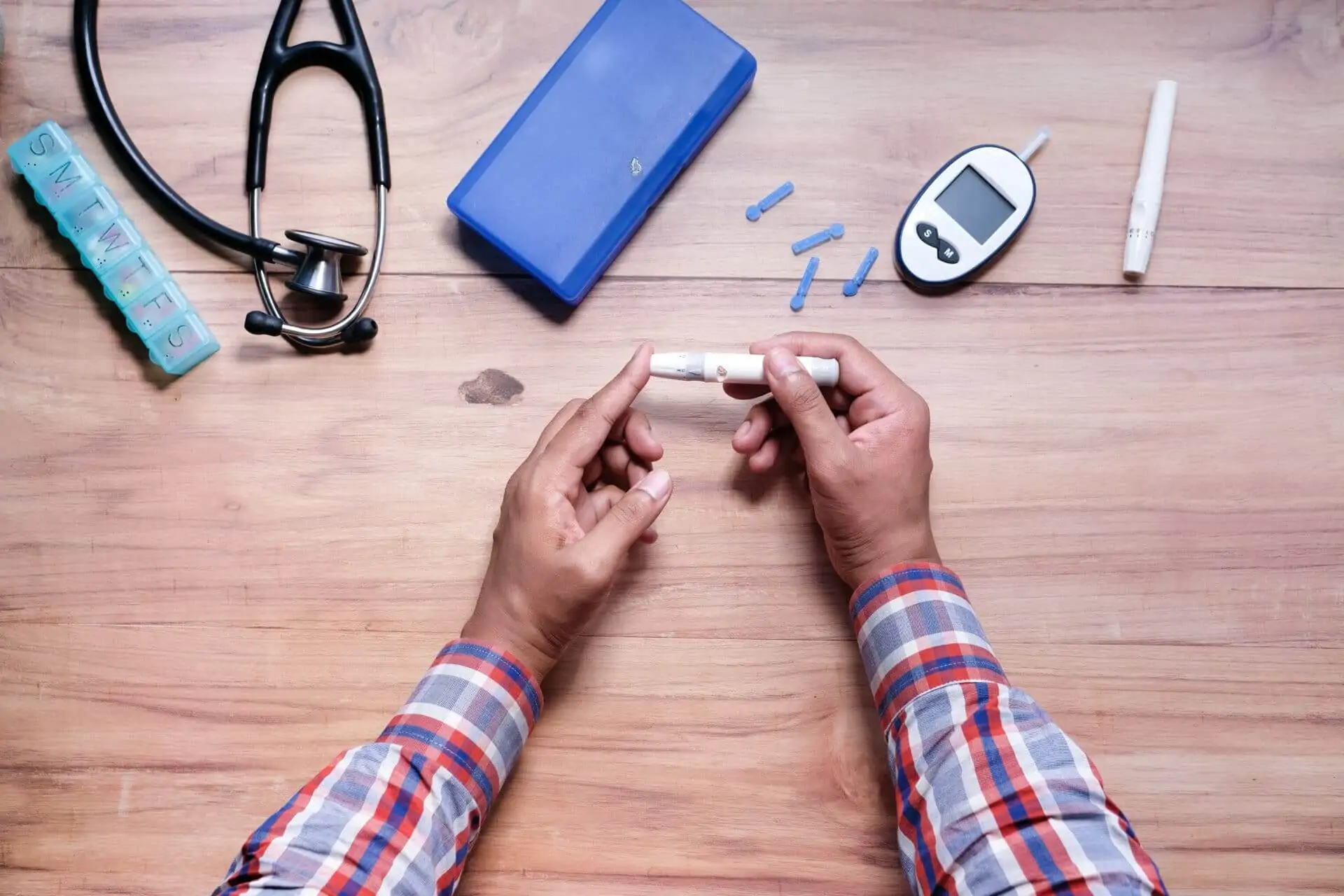
Diabetes is a prevalent health condition that affects individuals worldwide, and among those significantly impacted are military veterans. Many veterans seek service connection for diabetes, specifically type 1 or type 2. Leah Bucholz talks about the nuances of diabetes among veterans and explores the various ways it can be service-connected for disability benefits.

Table of Contents
Types of Diabetes
Understanding the types of diabetes is crucial when navigating the complexities of veterans’ disability claims.
Type 1 Diabetes
Type 1 diabetes, also known as insulin-dependent or childhood onset diabetes, is typically diagnosed early in life. However, it’s essential to note that not all individuals diagnosed with type 1 diabetes experience onset during childhood. Some veterans may receive this diagnosis while on active duty, leading to significant career implications.
Type 2 Diabetes
Type 2 diabetes, often termed adult onset diabetes, is more prevalent among the veteran population. Unlike type 1, type 2 diabetes mostly develops later in life and is not always insulin-dependent. Veterans diagnosed with type 2 diabetes may face challenges in retaining their military careers, depending on the severity of the condition.
Service Connection for Diabetes
The Department of Veterans Affairs (VA) provides avenues for service connection based on specific criteria.
Direct or Primary Basis
Diagnosis While on Active Duty
If a veteran is diagnosed with diabetes while on active duty, there is a high likelihood of being service-connected. However, exceptions may exist, such as instances where the condition was undisclosed during basic training.
Diagnosis within One Year of Separation
A veteran diagnosed with diabetes within one year of separation from active duty may also be eligible for service connection. The VA maintains a list of conditions, including diabetes, considered related to active duty if diagnosed within the specified timeframe.
Exposure to Agent Orange in Vietnam
Veterans who served in Vietnam and were exposed to Agent Orange may find diabetes on the presumptive list of conditions service-connected. Proof of exposure and the associated medical condition is important to illustrate.
Secondary Service Connections
Diabetes can also be service-connected on a secondary basis if it is caused or aggravated by an existing service-connected medical condition.
Medication-Related Connections
Some medications prescribed for other service-connected conditions, such as antipsychotics linked to schizophrenia, may be associated with diabetes. In such cases, diabetes can be added as a secondary service connection.
Long-Term Steroid Use
Veterans with service-connected conditions requiring long-term steroid use, like rheumatoid arthritis, may experience diabetes as a secondary service connection.
Weight Gain as an Intermediate Step
Conditions or disabilities that impede physical activity, leading to weight gain, may result in diabetes as a secondary service connection. This could include orthopedic injuries, amputations, asthma, or cardiac conditions affecting exercise tolerance.
Mental Health Conditions
In some cases, mental health conditions, such as depression, can indirectly lead to diabetes. For instance, veterans experiencing depression-related binge eating disorders or social phobias hindering physical activity may find diabetes service-connected.
Individualized Considerations
It is essential to recognize that each veteran’s case is unique. The success of a disability claim for diabetes depends on individual factors, lifestyle habits, injuries, and the specific circumstances surrounding the diagnosis.
Conclusion
Diabetes is a complex condition that can significantly impact the lives of veterans. Understanding the types of diabetes and the various avenues for service connection is crucial for veterans seeking disability benefits. By navigating the VA’s guidelines and considering individualized factors, veterans can pursue the compensation they deserve for diabetes-related disabilities. In the future we will explore secondary service connections for diabetes in more detail.
Also read: How to Analyze VA Rating Decision Letters
At Prestige Veteran Medical Consulting, a veteran-owned company, we specialize in Independent Medical Opinions (IMOs) known as Nexus letters.
Our purpose is to empower YOU, the veteran, to take charge of your medical evidence and provide you with valuable educational tools and research to guide you on your journey.
Understanding the unique challenges veterans face, our commitment lies in delivering exceptional service and support.
Leveraging an extensive network of licensed independent medical professionals, all well-versed in the medical professional aspects of the VA claims process, we review the necessary medical evidence to incorporate in our reports related to your VA Disability Claim.
Prestige Veteran Medical Consulting is not a law firm, accredited claims agent, or affiliated with the Veterans Administration or Veterans Services Organizations. However, we are happy to discuss your case with your accredited VA legal professional.