
For many veterans, navigating VA benefits can feel overwhelming.
There may be questions about VA disability claims, appeals, healthcare, education benefits, surviving spouse benefits, burial benefits, local resources, and what evidence may be needed before filing.
That is where a Veteran Service Officer, often called a VSO, may be an important starting point.
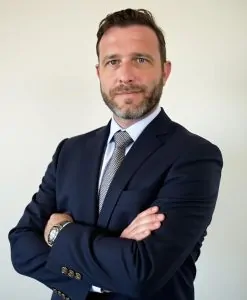
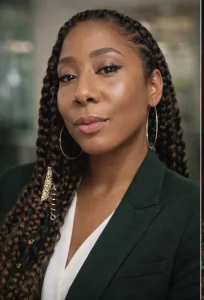
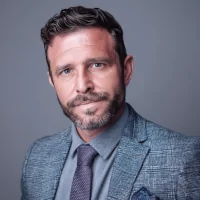
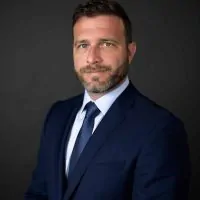
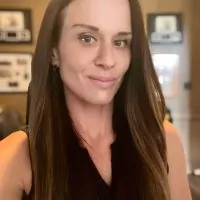
In this conversation, Leah Bucholz, founder and CEO of Prestige Veteran Medical Consulting, speaks with Ray Herrera, a Veteran Service Officer in Wilson County, Texas, about what VSOs do, how veterans can work with them, and why building the right relationship early may help veterans better understand the VA process.
Ray explains that a VSO’s role can go far beyond paperwork. Depending on the office, the veteran’s needs, and the representative’s experience, a VSO may help educate veterans, organize information, identify next steps, and connect veterans with other resources when needed.

Table of Contents
What Is a Veteran Service Officer?
A Veteran Service Officer is often a starting point for veterans who have questions about veteran services, VA benefits, claims, appeals, and local resources.
As Ray explains in the interview, the term “VSO” can be used broadly, and the services provided may look different depending on the county, state, office, organization, and local veteran population.
Some offices may handle a high volume of VA disability claims. Others may work heavily with local resources, healthcare navigation, surviving spouse benefits, education benefits, burial benefits, or appeals.
Ray describes the VSO as a kind of central hub of information for veterans.
Not every VSO office is a one-stop shop for every situation, but it can be a good place to begin asking questions and learning what support may be available.
Who Should Consider Working With a VSO?
Veterans are not the only people who may benefit from speaking with a VSO.
Depending on the situation, a VSO may be able to help or guide:
- Veterans
- Surviving spouses
- Active duty service members
- Dependents
- Family members seeking survivor benefits
- Service members preparing for separation
- Veterans looking for local resources
- Veterans with questions about VA claims or appeals
For example, a service member preparing to leave active duty may have questions about a Benefits Delivery at Discharge claim. A surviving spouse may need information about survivor benefits. A veteran may need help understanding where to start with a VA disability claim or appeal.
The right VSO may be able to explain the process, identify what documentation may be helpful, and point the veteran or family member toward appropriate resources.
What Free Services Can VSOs Provide?
One of the important points discussed in the interview is that VSO services are generally free to the veteran.
Ray explains that VSOs may assist with several types of veteran-related matters, including:
- VA disability claims
- VA disability appeals
- Burial benefits
- Burial reimbursement
- VA healthcare navigation
- Healthcare-related appeals
- Education-related questions
- Survivor-related questions
- Local veteran resources
The exact services may vary by office.
A VSO near a military installation may work frequently with service members filing BDD claims. A rural county VSO may see a different mix of needs. A larger office may have more staff or different areas of experience than a smaller one.
That is why veterans should understand that every VSO office may operate a little differently.
Why Every VSO Office May Be Different
Not all VSO offices have the same resources, staffing, experience, or local focus.
Ray explains that he has worked in different counties, and the role can look different depending on the veteran population and the needs of that area.
Some VSOs may have substantial experience with appeals. Others may be more focused on initial claims, local resources, healthcare navigation, or specific types of benefits.
This does not necessarily mean one office is “good” and another is “bad.” It means veterans should understand what kind of help they need and whether that office is the right fit.
Leah also notes that veterans are not always bound to one local office if another accredited representative or organization may be a better fit for the type of help they need.
The key is finding the right professional for the right situation.
Can a VSO Help Improve the Claims Process?
A VSO cannot guarantee an outcome.
However, a knowledgeable VSO may help a veteran better understand the process, organize evidence, identify missing documentation, and present information in a more complete way.
Ray explains that building rapport with the VSO matters. Veterans may want to understand the representative’s experience, the office’s capabilities, and whether the VSO has handled similar issues before.
Some claims may be relatively straightforward. Others may involve appeals, Board-level issues, complex medical histories, or overlapping evidence concerns.
In those situations, the experience and fit of the representative may matter.
Why Building Rapport With a VSO Matters
One of Ray’s strongest points is that veterans should consider building rapport with a VSO before they are in a crisis.
A VSO relationship is not always just about submitting paperwork.
It can involve understanding the veteran’s history, discussing what evidence may be helpful, explaining the VA process, and helping the veteran understand what may need to be prepared.
Ray mentions that he often allocates meaningful appointment time so he can better understand the veteran’s background, what they are trying to do, and how the evidence may fit together.
That kind of preparation can help make the claims process more organized.
First-Time Claims, Appeals, and Complex Cases
Some veterans meet with a VSO before filing their first claim.
Others may come in after a denial.
Ray explains that he sees both first-time filers and veterans involved in appeals. In his experience, appeals can be a major part of the work, and appeal capability may distinguish one level of service from another.
Appeals may require a deeper review of the evidence, including what happened during the claim process, what the VA decision said, what the C&P exam showed, and what evidence may still be needed.
This is also where collaboration may matter.
Some veterans may benefit from a VSO. Others may need an accredited attorney, accredited claims agent, legal clinic, or another qualified professional depending on the complexity of the issue.
Do Veterans Have to Work With a Specific VSO?
The answer may depend on the office, county, organization, workload, and accreditation structure.
Ray explains that his county office may limit services to veterans in that county because of volume and local responsibility. Other offices may have different policies.
He also explains that representation matters. If a veteran wants a representative to assist with a VA claim, there may need to be an authorization of representation in place so that the accredited representative can access the necessary file information and assist appropriately.
Veterans should be clear about whether they already have a representative and whether there is a pending matter. Having multiple people involved without clear coordination can create confusion.
In some cases, a veteran may choose to change representatives, but that should be handled carefully and professionally.
Why Representation and File Access Matter
One important part of the conversation involves file access.
Ray explains that accredited representatives may be able to access certain VA systems and review information that can be important when assisting with a claim or appeal.
For example, in some situations, representatives may be able to review C&P exam information and understand how evidence is being processed.
This can be especially relevant in appeals, where understanding what happened during the exam or decision process may be important.
However, Ray also emphasizes that these are secure VA systems. Access is limited to authorized accredited personnel, and confidentiality matters.
The goal is to use that information appropriately to help the veteran understand the process and the evidence.
What Should Veterans Bring to a VSO?
When a veteran is preparing to meet with a VSO, Ray suggests bringing information that helps show the medical and factual picture.
Helpful items may include:
- A current diagnosis
- Current treatment records
- Historical military records
- Service treatment records if available
- Relevant awards or service documentation
- Evidence related to the condition
- Statements about symptoms and functional impact
- Prior VA decisions if applicable
- C&P exam information if available
- Any records related to a pending appeal
Ray’s general point is that veterans should bring what helps show the VA that the condition exists, what the history looks like, and what evidence may support the issue being discussed.
Preparation can make the conversation more productive.
Does Every Case Need a Nexus Letter?
No. Not every case needs a Nexus letter.
This is an important point in the conversation.
Ray explains that he does not believe every case requires one. Leah agrees that some cases may already have enough evidence, or the veteran’s treating provider or C&P examiner may provide useful information.
A Nexus letter may be helpful in some situations, especially when the relationship between conditions is not straightforward or when the medical evidence needs additional clarification.
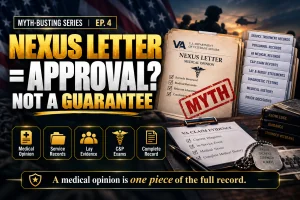
But a Nexus letter should address an actual evidentiary gap. It should not be treated as a magic document that every veteran automatically needs.
The more important question is what the veteran’s specific case actually requires.
What Is a Common Misconception About VSOs?
One misconception is that VSOs are only there to fill out paperwork.
Ray’s explanation makes it clear that the role can involve much more.
A VSO may educate veterans on the process, help them understand what evidence may be relevant, organize information, review file details, assist with claims or appeals, and connect veterans with local resources.
Another misconception is that every VSO office can provide the same level of service for every type of issue.
In reality, workload, staffing, experience, and local office structure can vary.
That is why veterans may need to ask questions, understand what services are available, and make sure the representative is the right fit for the issue they are facing.
When Should Veterans Call a VSO?
Ray’s final advice is simple: there is nothing wrong with building rapport with a local VSO early.
A veteran may not need help immediately, but having a connection before a crisis can matter.
Some veterans wait until a claim problem becomes complicated. Others may wait until a surviving spouse is scrambling to locate benefits or documentation. Building a relationship earlier may help veterans and families better understand what resources are available.
Leah also points out that a VSO can be helpful before problems start, not only after something goes wrong with VA.
That is an important takeaway.
Final Thoughts
A Veteran Service Officer can be an important resource for veterans, surviving spouses, active duty service members, dependents, and families seeking guidance about VA benefits and veteran services.
The VSO role may include claims, appeals, healthcare navigation, burial benefits, education benefits, local resources, and general guidance through the VA process.
But every office may be different. Every veteran’s needs may be different. And not every case requires the same kind of support.
The strongest approach is often to ask questions early, prepare records, understand what evidence may be needed, and work with the right accredited professional for the right part of the process.
A VSO is not just paperwork.
For many veterans, a good VSO may be a helpful starting point for understanding what to do next.
Also Read: VA Disability Buzzwords: What Veterans Should Understand About Medical Evidence
At Prestige Veteran Medical Consulting, a veteran-owned company, we specialize in Independent Medical Opinions (IMOs) known as Nexus letters.
Our purpose is to empower YOU, the veteran, to take charge of your medical evidence and provide you with valuable educational tools and research to guide you on your journey.
Understanding the unique challenges veterans face, our commitment lies in delivering exceptional service and support.
Leveraging an extensive network of licensed independent medical professionals, all well-versed in the medical professional aspects of the VA claims process, we review the necessary medical evidence to incorporate in our reports related to your VA Disability Claim.
Prestige Veteran Medical Consulting is not a law firm, accredited claims agent, or affiliated with the Veterans Administration or Veterans Services Organizations. However, we are happy to discuss your case with your accredited VA legal professional.