
When veterans think about VA disability benefits, conditions such as post traumatic stress disorder or sleep apnea usually come to mind first. However, another medical condition that affects a significant number of veterans is anemia. Although it receives far less attention, anemia can have a serious impact on a veteran’s health and daily functioning.
For some veterans, anemia develops during service. For others, it appears years later as a result of medications, chronic illnesses, or complications from other service connected conditions. Understanding how anemia works and how the Department of Veterans Affairs evaluates it can make a major difference when filing a disability claim.
Leah explains what anemia is, why it is common among veterans, how the VA rates anemia, and the most common reasons disability claims are denied. It also outlines practical steps veterans can take to strengthen their claims.

Table of Contents
What Is Anemia?
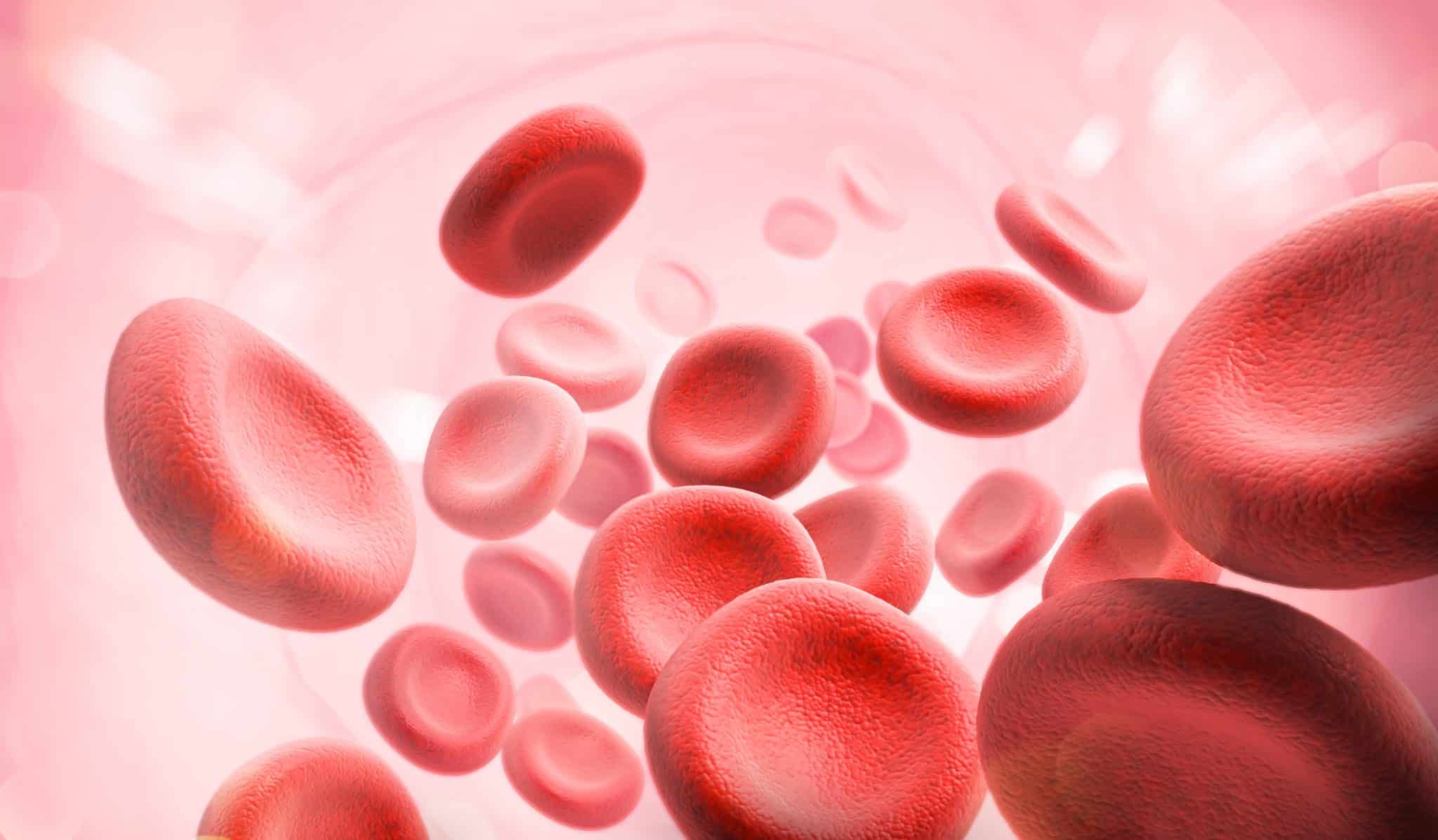
Anemia occurs when the body does not have enough healthy red blood cells to carry oxygen throughout the body. Red blood cells contain hemoglobin, a protein that binds oxygen and transports it to tissues and organs. When hemoglobin levels are low, the body’s cells do not receive the oxygen they need to function properly.
This lack of oxygen can lead to a wide range of symptoms. Many people with anemia experience persistent fatigue, weakness, dizziness, or shortness of breath. Others may notice headaches, pale skin, or difficulty concentrating. In more severe cases, anemia can affect the heart and other vital organs because they must work harder to deliver oxygen.
Although fatigue is often the most noticeable symptom, anemia is not simply about feeling tired. When untreated or poorly managed, it can impact overall health and reduce quality of life.
Common Types of Anemia
There are several different types of anemia, and each has a different underlying cause. Some are related to nutritional deficiencies, while others are caused by chronic illnesses or genetic conditions.
Iron Deficiency Anemia
Iron deficiency anemia is one of the most common forms. It occurs when the body does not have enough iron to produce hemoglobin. This can happen because of chronic blood loss, poor iron absorption, or inadequate dietary intake.
Blood loss from gastrointestinal issues such as ulcers is a frequent cause.
Vitamin Deficiency Anemia
This type of anemia occurs when the body lacks important vitamins needed for red blood cell production. The most common deficiencies involve vitamin B12 or folate.
Without these nutrients, the body cannot produce healthy red blood cells efficiently.
Hemolytic Anemia
Hemolytic anemia develops when the body destroys red blood cells faster than it can replace them. This destruction can be triggered by autoimmune diseases, infections, medications, or inherited conditions.
Aplastic Anemia
Aplastic anemia is a rare but serious condition in which the bone marrow fails to produce enough new blood cells. Because bone marrow produces red cells, white cells, and platelets, this disorder can affect multiple aspects of blood health.
Sickle Cell Anemia
Sickle cell anemia is a genetic condition that causes red blood cells to become misshaped. Instead of being round and flexible, the cells take on a sickle shape. These abnormal cells can block blood flow and break down more easily.
Each type of anemia has different causes and treatments, which is why proper diagnosis is important.
Why Anemia Is Common Among Veterans
Anemia occurs in the general population, but research suggests that veterans experience it at higher rates. Several factors related to military service and long term health conditions may contribute to this increased risk.
Medication Use
Many veterans take medications for chronic pain or inflammation. Nonsteroidal anti inflammatory drugs, often called NSAIDs, include medications such as ibuprofen or naproxen.
Long term use of these medications can irritate the stomach lining and sometimes lead to gastrointestinal bleeding. Even small amounts of repeated blood loss can eventually cause anemia.
Gastrointestinal Conditions
Conditions affecting the digestive system can also lead to anemia. These include:
• Gastroesophageal reflux disease (GERD)
• Stomach or intestinal ulcers
• Crohn’s disease and other inflammatory bowel conditions
These disorders may cause chronic bleeding or interfere with nutrient absorption.
Chronic Illnesses
Many chronic diseases reduce the body’s ability to produce red blood cells. Conditions that can contribute to anemia include kidney disease, autoimmune disorders, and cancer.
Treatments for these illnesses may also suppress bone marrow function.
Environmental Exposures
During military service, some veterans are exposed to hazardous substances. Chemicals, radiation, and burn pit exposure have all been investigated for possible links to blood disorders.
Although research is still ongoing, these exposures may contribute to anemia or other hematologic conditions later in life.
Multiple Service Connected Conditions
Veterans who already have multiple service connected disabilities may be more likely to develop anemia as a secondary complication. Medications, treatments, and disease processes can all affect blood production.
How the VA Rates Anemia
The Department of Veterans Affairs evaluates anemia under 38 CFR § 4.117, which covers diseases of the hemic and lymphatic systems. Each specific type of anemia has its own diagnostic code.
Examples include:
• Sickle cell anemia
• Aplastic anemia
• Iron deficiency anemia
• Pernicious anemia (vitamin B12 deficiency)
• Acquired hemolytic anemia
Disability ratings can range from 0 percent to 100 percent, typically assigned in increments of 10 percent depending on severity.
What the VA Considers
To determine the appropriate disability rating, the VA reviews both laboratory results and clinical symptoms. Important factors include:
• Hemoglobin levels from blood tests
• Frequency and severity of symptoms
• Need for blood transfusions
• Presence of complications affecting other organs
Symptoms that may influence a rating include fatigue, dizziness, fainting episodes, shortness of breath, or reduced physical capacity.
Generally speaking, the lower the hemoglobin levels and the more severe the symptoms, the higher the potential disability rating.
Primary vs Secondary Service Connection
In order to receive VA disability compensation, veterans must establish service connection for their condition. This means proving that the illness is related to military service.
There are two primary ways anemia may qualify.
Primary Service Connection
Primary service connection occurs when anemia first develops during military service or shortly afterward.
Examples might include medical records showing:
• Low hemoglobin levels during active duty
• Hospitalizations related to blood loss
• Ongoing fatigue or weakness documented in service medical records
If these records clearly show the condition began during service, the VA may grant service connection directly.
Secondary Service Connection
Secondary service connection is often more common for anemia claims. In this situation, anemia develops because of another service connected disability.
For example, anemia may result from:
• Chronic gastrointestinal bleeding caused by GERD or ulcers
• Kidney disease that affects red blood cell production
• Cancer treatments such as chemotherapy or radiation
• Medications used to treat PTSD or chronic pain
• Autoimmune disorders such as lupus
To establish secondary service connection, medical evidence must show that the primary service connected condition caused or aggravated the anemia.
Why Anemia VA Claims Are Often Denied
Despite the fact that anemia can significantly affect health, many disability claims for this condition are denied. Understanding the common reasons can help veterans avoid mistakes during the application process.
No Current Diagnosis
The VA requires a confirmed medical diagnosis supported by laboratory testing. Symptoms alone are not enough.
Veterans must provide blood test results demonstrating low hemoglobin or other abnormalities consistent with anemia.
Lack of Service Connection
Even if anemia is diagnosed within the VA healthcare system, compensation is not automatic. Veterans must still prove that the condition is connected to their military service or another service connected disability.
Many claims are denied because this link is not clearly established.
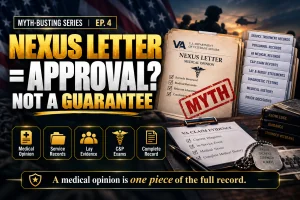
Weak Nexus Statement
A nexus statement is a medical opinion linking the condition to military service. Ideally, a doctor will state that the condition is “at least as likely as not” related to service.
Without this connection, the VA may conclude that anemia is unrelated to military duty.
C and P Exam Issues
During the disability evaluation process, veterans often attend a Compensation and Pension examination. The examiner provides a medical opinion that helps adjudicators evaluate the claim.
Sometimes examiners attribute anemia to lifestyle factors, diet, or aging rather than a service related cause. Although the examiner does not make the final decision, their opinion can influence the outcome.
Poor Documentation of Symptoms
Another issue occurs when symptoms are not thoroughly documented in medical records.
If fatigue, fainting episodes, or shortness of breath are not consistently reported to doctors, the VA may underestimate the severity of the condition or deny the claim entirely.
How Veterans Can Strengthen Their Claims
Veterans who believe their anemia is related to military service have several options for strengthening their disability claims.
Gather Medical Evidence
Up to date blood tests and medical records are essential. These records should clearly show current hemoglobin levels and confirm the diagnosis of anemia.
Request a Nexus Opinion
Veterans may ask their treating physician to provide a written medical opinion linking anemia to military service or another service connected condition.
While not always required, a strong nexus statement can significantly improve the chances of approval.
Keep a Symptom Journal
Documenting symptoms can provide valuable evidence. Veterans may record episodes of fatigue, dizziness, or shortness of breath along with their impact on daily life.
Obtain Buddy Statements
Family members, friends, or coworkers who have witnessed the effects of anemia can write statements describing how the condition affects the veteran’s activities and health.
Seek Professional Assistance
Veterans can also receive help from:
• Veteran Service Organizations (VSOs)
• Accredited claims agents
• Accredited VA disability attorneys
These professionals understand the claims process and can help gather evidence and submit appeals if necessary.
Final Thoughts
Anemia may not receive as much attention as other conditions associated with VA disability claims, but it remains a serious health issue for many veterans. The condition can cause persistent fatigue, reduced physical ability, and complications affecting the heart and other organs.
The Department of Veterans Affairs does recognize anemia under several diagnostic codes, and disability ratings may reach up to 100 percent depending on severity. However, claims are frequently denied due to missing laboratory evidence, weak nexus opinions, or poor documentation of symptoms.
The good news is that these issues can often be corrected. By gathering strong medical evidence, documenting symptoms, and clearly establishing service connection, veterans can significantly improve their chances of receiving the benefits they deserve.
Understanding how anemia is evaluated within the VA disability system is the first step toward building a stronger claim.
Also Read: Can Veterans Get VA Disability for Celiac Disease?
At Prestige Veteran Medical Consulting, a veteran-owned company, we specialize in Independent Medical Opinions (IMOs) known as Nexus letters.
Our purpose is to empower YOU, the veteran, to take charge of your medical evidence and provide you with valuable educational tools and research to guide you on your journey.
Understanding the unique challenges veterans face, our commitment lies in delivering exceptional service and support.
Leveraging an extensive network of licensed independent medical professionals, all well-versed in the medical professional aspects of the VA claims process, we review the necessary medical evidence to incorporate in our reports related to your VA Disability Claim.
Prestige Veteran Medical Consulting is not a law firm, accredited claims agent, or affiliated with the Veterans Administration or Veterans Services Organizations. However, we are happy to discuss your case with your accredited VA legal professional.