
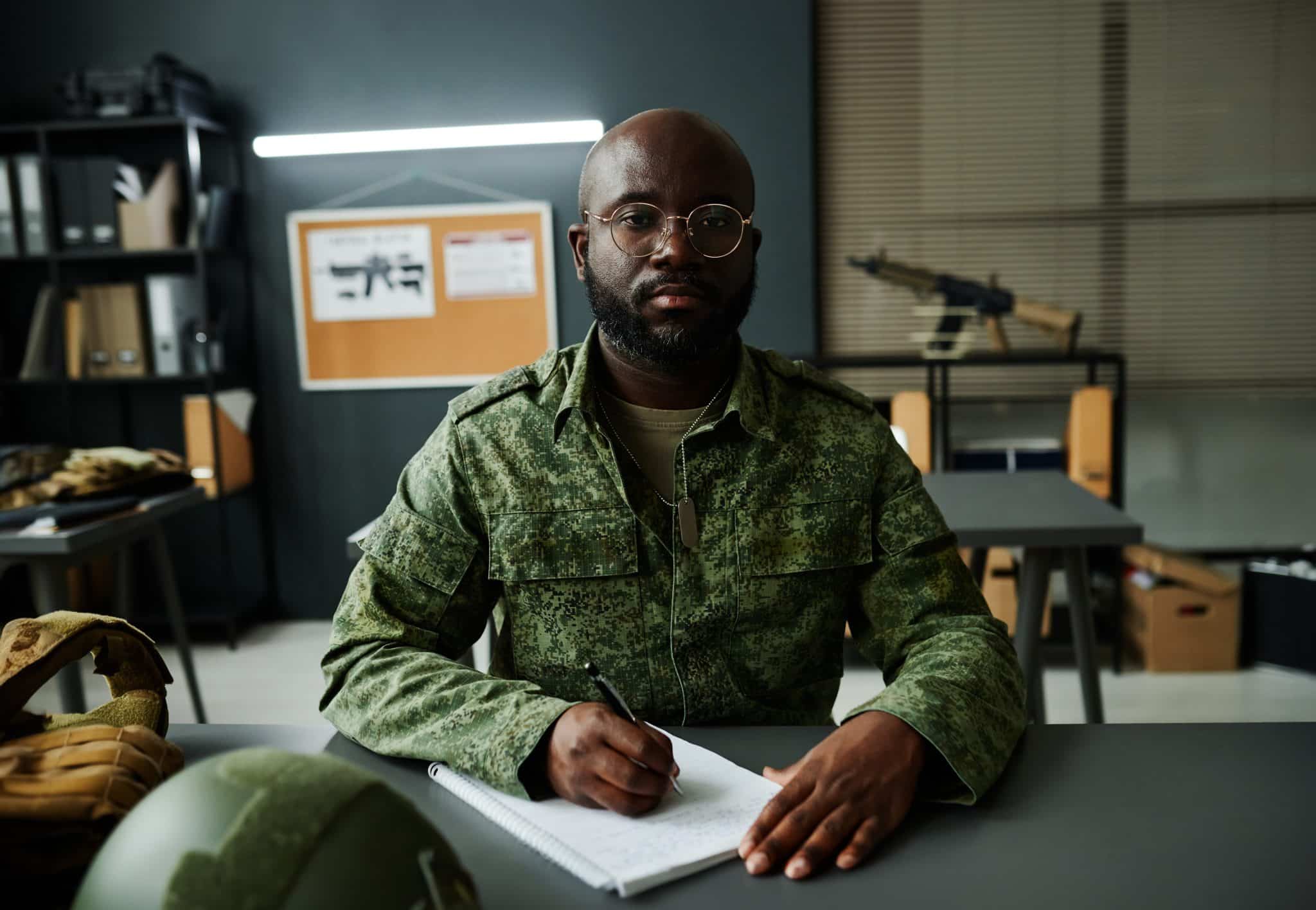
Veterans who served as Military Police often underestimate how much their service can affect their long term health. Many MPs assume that VA disability benefits are mostly for combat arms roles, but the reality is very different. Military Police service combines physical strain, high stress decision making, exposure to violence, and often direct combat related duties. All of these factors can lead to service connected conditions that qualify for VA disability compensation.
Leah breaks down what makes Military Police service unique, the most common VA disability claims among MPs, how the VA evaluates these conditions, and what veterans can do to strengthen their claims. Whether you served stateside, overseas, or in combat zones, your experiences as an MP matter when it comes to VA disability.

Table of Contents
Understanding the Role of Military Police
Military Police serve as the law enforcement arm of the armed forces. Their responsibilities go far beyond writing tickets or enforcing base rules. MPs are often placed in situations that blend traditional policing with military operations.
Typical duties of Military Police include base patrols and law enforcement, responding to violent incidents and emergencies, detainee and prisoner of war operations, convoy escort missions, route security in combat zones, and crowd control during high risk situations. While other military occupational specialties may occasionally perform similar tasks, these duties are core to the MP role.
This combination of law enforcement responsibilities and combat exposure creates unique challenges. MPs may face hostile encounters one moment and administrative or investigative duties the next. The constant shift between high alert situations and routine enforcement adds cumulative stress over time. Physically, MPs often carry heavy gear, stand or patrol for long periods, and engage in physically demanding confrontations.
Why Military Police Face Higher Health Risks
Research consistently shows that law enforcement roles carry increased risks for both physical and mental health conditions. Military Police experience these risks within the added context of military operations.
Department of Defense health surveys have found that MPs report higher than average rates of back, knee, and shoulder injuries compared to many other military occupations. A VA study published in 2020 noted that veterans with military law enforcement backgrounds were more likely to file disability claims for post traumatic stress disorder, hearing loss, and joint disorders.
Military medicine research has also highlighted the effects of chronic stress and irregular shift work among MPs. These factors are associated with sleep disorders, anxiety, depression, and even cardiovascular issues. Importantly, these risks are not limited to combat deployments. Routine policing duties, constant vigilance, and repeated exposure to stressful incidents all contribute to long term health effects.
Common VA Disability Conditions for Military Police
The VA does not assign disability ratings based on military occupation alone. There is no special rating category for Military Police. Instead, the VA evaluates specific medical conditions and determines whether they are connected to service.
That said, certain conditions appear frequently in MP disability claims due to the nature of the job.
Musculoskeletal Injuries
Musculoskeletal conditions are among the most common claims for MPs. These include knee injuries, back conditions, hip problems, and shoulder injuries. Long patrols, wearing heavy body armor, lifting detainees, and physical altercations all place stress on joints and the spine.
Even if injuries were not formally treated during service, cumulative wear and tear can still support a service connection when supported by evidence.
PTSD and Mental Health Conditions
Military Police are often exposed to violence, traumatic incidents, and high risk confrontations. Detainee operations, combat patrols, and responding to emergencies can all contribute to PTSD.
In addition to PTSD, MPs may develop anxiety disorders, depression, or adjustment disorders. Mental health claims are common and can be strongly supported when veterans describe specific stressors tied to their duties.
Hearing Loss and Tinnitus
Weapons training, explosions, sirens, radios, and vehicle noise all contribute to hearing damage. Tinnitus, the perception of ringing or buzzing in the ears, is especially common among MPs. Hearing loss and tinnitus are often claimed together and can significantly impact daily functioning.
Sleep Disorders
Sleep issues frequently develop during service due to shift work, night patrols, and high stress environments. Chronic Insomnia and Sleep apnea are often linked to PTSD or anxiety. These conditions may be claimed as primary conditions or as secondary to mental health disorders.
Traumatic Brain Injury
MPs may experience head injuries from blasts, vehicle accidents, or physical confrontations. Even mild traumatic brain injuries can cause lasting symptoms such as headaches, memory issues, dizziness, and concentration problems.
How VA Disability Ratings Work for MPs
VA disability ratings are based on severity and functional impairment, not job title. Many MPs receive multiple ratings for different conditions, which are then combined into an overall disability percentage.
Because MPs often experience both physical and psychological conditions, it is common for their claims to involve several service connected disabilities. When properly documented, these combined ratings can significantly increase overall compensation.
The Importance of Secondary Service Connection
Secondary service connection is especially important for Military Police veterans. A secondary condition is one that develops as a result of an already service connected disability.
For example, a knee injury from patrol duties may later cause altered gait, leading to hip or back problems. PTSD may contribute to depression, anxiety, substance use disorders, weight gain, or diabetes. Sleep apnea may be aggravated or caused by PTSD or long term shift work. Hearing loss may be associated with tinnitus or balance issues such as vertigo.
Claiming secondary conditions can strengthen a case and increase the combined disability rating when the VA agrees that the conditions are connected.
Challenges MPs Face After Service
Transitioning to civilian life can be particularly challenging for former MPs. Some continue working in civilian law enforcement, where existing injuries and stress may worsen. Others struggle with PTSD symptoms related to their military service.
Many MPs internalize the belief that they should be able to handle stress without help. This stigma can delay treatment and claims. The reality is that Military Police service can leave lasting physical and emotional scars, and VA disability benefits exist to recognize and support those sacrifices.
Filing a VA Disability Claim as a Military Police Veteran
Veterans can file disability claims on their own using VA.gov, or they can seek assistance from a Veteran Service Organization, accredited claims agent, or attorney.
When filing a claim, it is important to list all injuries and conditions experienced during service, even those that seemed minor at the time. Many conditions worsen with age, and early documentation can be crucial.
Helpful evidence may include service treatment records, incident reports, patrol logs, and records of medical visits during service. Current medical evidence is also important, such as diagnoses, doctor’s notes, and specialist evaluations.
A nexus letter from a treating provider can help establish a connection between service and a condition, though it is not required. In some cases, a VA Compensation and Pension exam may result in a positive nexus opinion from the examiner.
Secondary conditions should always be listed when applicable. A complete and well documented claim provides the VA with a clearer picture of how service has affected long term health.
Using the MOS Smart Book as Supporting Evidence
One often overlooked resource for MPs is the MOS Smart Book, also known as Department of the Army DA Pam documentation. This retention document outlines the physical and mental requirements needed to maintain qualification in a specific MOS.
For Military Police, the Smart Book details tasks such as lifting heavy loads, prolonged standing, use of radio equipment, report writing, and physical readiness standards across different skill levels. As an example, lower skill levels require lifting up to 80 pounds with frequent lifting of 40 pounds, along with extended periods of standing and physically demanding tasks.
For veterans who did not frequently seek medical care during service, this documentation can help establish occupational stressors. It provides objective evidence of what MPs were required to do regularly, which can support claims involving joint injuries, back conditions, or chronic pain.
Resources for Military Police Veterans
Veterans experiencing service related conditions can seek care through VA clinics for mental health, orthopedics, audiology, and other specialties. Veteran Service Organizations such as DAV and VFW can assist with navigating the claims process.
Law enforcement veteran organizations may also provide peer support and advocacy. For immediate mental health support, the Veterans Crisis Line is available by dialing 988 and pressing one.
Final Thoughts
Military Police service is demanding, complex, and often underestimated. MPs face risks from combat exposure, physical strain, chronic stress, and law enforcement duties that can lead to long term health conditions.
VA disability benefits are not reserved for any one MOS. If your service as a Military Police officer contributed to physical injuries, mental health conditions, or secondary complications, you have the right to seek recognition and compensation.
Understanding how the VA evaluates MP claims, gathering strong evidence, and fully documenting your experiences can make a meaningful difference in the outcome of your case. Your service mattered, and your health deserves proper support long after the uniform comes off.
Also Read: Folds of Honor Scholarships for Military Families
At Prestige Veteran Medical Consulting, a veteran-owned company, we specialize in Independent Medical Opinions (IMOs) known as Nexus letters.
Our purpose is to empower YOU, the veteran, to take charge of your medical evidence and provide you with valuable educational tools and research to guide you on your journey.
Understanding the unique challenges veterans face, our commitment lies in delivering exceptional service and support.
Leveraging an extensive network of licensed independent medical professionals, all well-versed in the medical professional aspects of the VA claims process, we review the necessary medical evidence to incorporate in our reports related to your VA Disability Claim.
Prestige Veteran Medical Consulting is not a law firm, accredited claims agent, or affiliated with the Veterans Administration or Veterans Services Organizations. However, we are happy to discuss your case with your accredited VA legal professional.