
Veterans in the United States are eligible for various healthcare benefits provided by the Department of Veterans Affairs (VA). One important aspect of these benefits is Community Care, a program designed to give veterans access to healthcare providers outside the VA system when certain conditions are met. This program is crucial for veterans who may not have easy access to VA facilities or require specialized care not offered by the VA. In this article, we will explore the Community Care program, who qualifies for it, and how veterans can utilize these services.

Table of Contents
What is Community Care?
Community Care is a VA program that allows eligible veterans to receive healthcare from providers in their local communities, rather than strictly through VA facilities. The care is authorized and paid for by the VA, ensuring that veterans get the medical attention they need even when VA resources are limited or unavailable. Community Care is not automatically available to all veterans; eligibility is based on specific conditions and circumstances.
To ensure that veterans receive care within the scope of the program, it must be authorized by the VA beforehand (emergency care may not apply). This means that the VA needs to approve a referral to a community provider before a veteran can access care. The system is similar to how insurance companies require authorizations before covering certain treatments. The VA’s goal is to ensure that care is appropriate, necessary, and efficiently managed.
Types of Care Under the Community Care Program
The Community Care program encompasses a wide range of healthcare services. Some of the categories of care available under this program include:
- General Community Care: Routine healthcare services that can be accessed in the community.
- Urgent Care: Non-emergency medical attention that can’t wait for a VA facility appointment.
- Emergency Care: Services required for life-threatening conditions.
- Home Health and Hospice Care: End-of-life and at-home medical care services.
- Foreign Medical Care: Care provided outside the U.S. for eligible veterans.
- Indian and Tribal Health Services: Specialized care for veterans from indigenous communities.
- State Veterans Homes: Long-term care for veterans in state-run facilities.
- Flu Shots: Vaccinations provided by approved community providers.
Eligibility for Community Care
Not all veterans are eligible for Community Care. To qualify, veterans must meet two essential requirements:
- Enrollment in VA Healthcare: The veteran must already be enrolled in the VA healthcare system or be eligible for VA healthcare.
- Authorization from the VA Healthcare Team: The veteran’s VA healthcare team must approve and authorize the use of a community care provider before the veteran receives treatment. In cases of emergency or urgent care, this authorization might be waived temporarily.
In addition to these two basic requirements, veterans must meet at least one of the following conditions to qualify for Community Care:
1. Service Unavailable at VA Facility
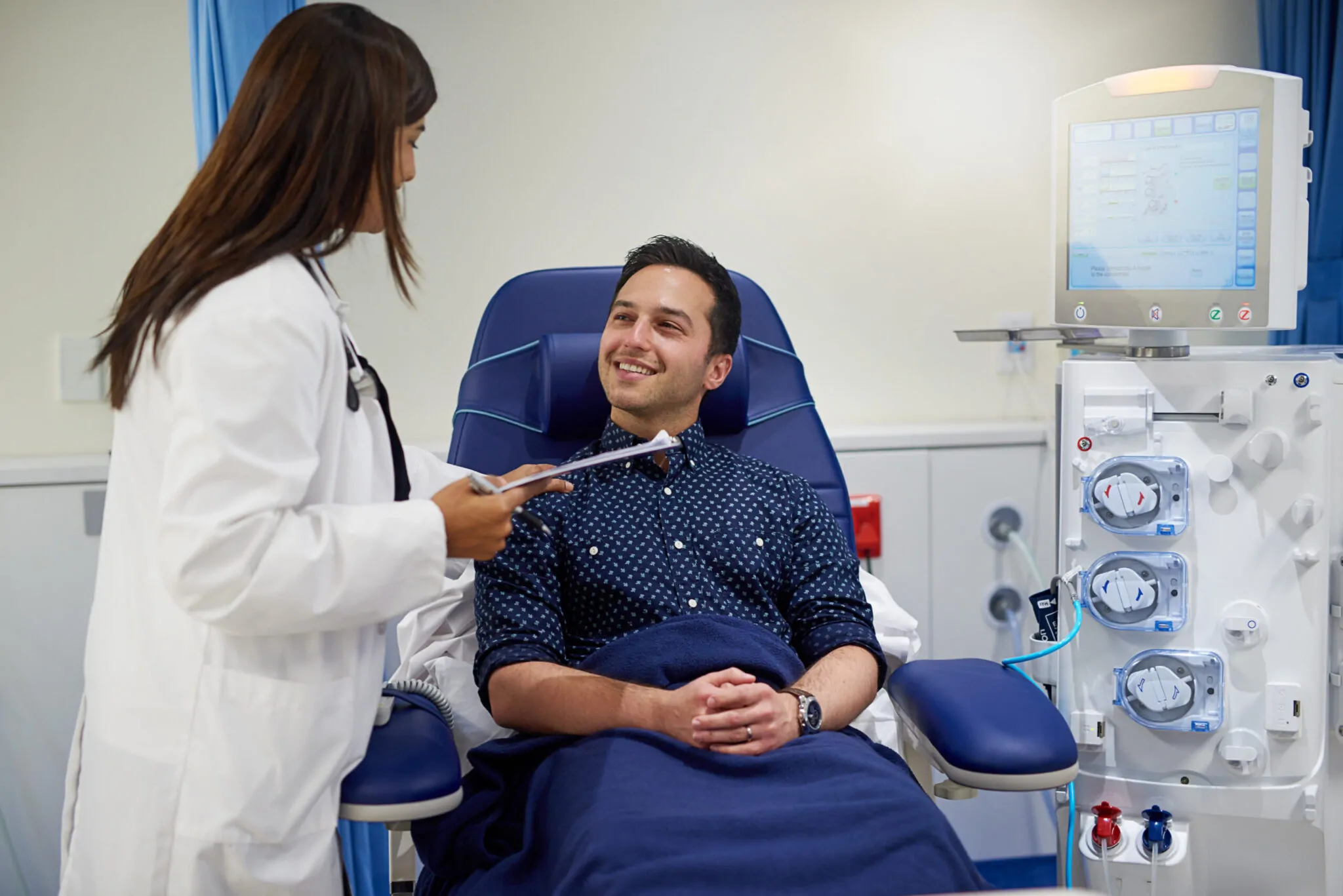
If the VA does not offer a specific medical service that a veteran requires at their local VA facility, they may be referred to a community provider. For example, if a veteran needs dialysis and the VA facility cannot provide it, the VA may refer them to an approved community care provider that offers dialysis services.
2. Living in a Remote Area
Veterans living in areas where there is no full-service VA healthcare facility may be eligible for Community Care. This typically applies to veterans living in rural areas or states and territories without adequate VA coverage. For instance, veterans living in Alaska, Montana, North Dakota, South Dakota, or Wyoming may qualify under this provision.
3. 40-Mile Distance Requirement
If a veteran resides more than 40 miles away from a VA healthcare facility, they may be eligible for Community Care. This provision is meant to prevent veterans from having to travel long distances for care, ensuring they can access treatment closer to home.
4. Drive and Wait Time Standards
VA has specific standards for how long veterans should have to wait for an appointment or how far they should have to drive for care. If the VA cannot provide a primary care or mental health appointment within 30 minutes of the veteran’s home or within 20 days of the request, the veteran may be referred to a community provider.
5. Best Medical Interest
In some cases, the veteran’s VA healthcare provider may determine that it is in the veteran’s best medical interest to receive care from a community provider. This could happen if the veteran requires specialized care that the VA provider lacks experience in. In these cases, if the veteran and their VA provider agree, they may be referred to an in-network community provider who specializes in the necessary treatment.
6. Quality Standards
If the VA facility does not meet certain quality standards, the veteran may be eligible for community care. For example, a veteran may require cardiology care for a heart condition. If the local VA facility does not meet the necessary cardiology standards, the veteran may be referred to a community provider.
How to Access Community Care
Veterans who believe they are eligible for Community Care should follow a few steps to access these services:
- Consult Your VA Provider: The first step in accessing Community Care is discussing your medical needs with your VA provider. If your provider agrees that Community Care is necessary, they will begin the process of getting authorization for you to receive care from a community provider.
- Find an In-Network Provider: Once you receive authorization, you can use the VA’s online tools to find an in-network community care provider. VA has a searchable database where veterans can enter their location and find local providers who participate in the Community Care program.
- Work With the VA Coordinator: VA facilities have Community Care coordinators who can help veterans navigate the process. These coordinators serve as liaisons between the veteran, their VA provider, and the community provider. They help manage referrals, authorizations, and communication between all parties involved.
Benefits of the Community Care Program
The Community Care program is a powerful tool for veterans. It allows them to access healthcare services. These services might not otherwise be available through the VA system. By broadening the network of available providers, the program ensures timely, high-quality care. Veterans can receive care regardless of where they live or what services the VA can provide directly.
Convenience
For veterans who live far from VA facilities, Community Care offers the convenience of getting care closer to home. This can be especially beneficial for veterans who live in rural areas or those with mobility issues.
Access to Specialists
In some cases, the VA may not have the specialists that veterans need. Community Care allows veterans to see specialists who can provide the necessary care, even if those specialists are outside the VA system.
Shorter Wait Times
By providing access to more healthcare providers, Community Care can help reduce wait times for veterans who need appointments. This is especially important for veterans who need urgent or specialized care.
Conclusion
The Community Care program is a vital part of the healthcare benefits offered to veterans by the VA. It ensures that veterans have access to the medical care they need. This applies even if it’s not available at their local VA facility. There are specific eligibility requirements and authorization processes. The program can provide a lifeline to veterans in need of specialized or urgent care. Veterans interested in Community Care should consult their VA provider and explore the options available through this program.
Also read: Who is Entitled to VA Vision Care Benefits?
At Prestige Veteran Medical Consulting, a veteran-owned company, we specialize in Independent Medical Opinions (IMOs) known as Nexus letters.
Our purpose is to empower YOU, the veteran, to take charge of your medical evidence and provide you with valuable educational tools and research to guide you on your journey.
Understanding the unique challenges veterans face, our commitment lies in delivering exceptional service and support.
Leveraging an extensive network of licensed independent medical professionals, all well-versed in the medical professional aspects of the VA claims process, we review the necessary medical evidence to incorporate in our reports related to your VA Disability Claim.
Prestige Veteran Medical Consulting is not a law firm, accredited claims agent, or affiliated with the Veterans Administration or Veterans Services Organizations. However, we are happy to discuss your case with your accredited VA legal professional.