
In recent years, telehealth has transformed the way health care is delivered in the United States. For veterans, the Department of Veterans Affairs (VA) has embraced this technology in a big way, offering a wide range of virtual care services that are not only convenient but in many cases, life-changing.
Leah Bucholz dives into what VA telehealth is, how it works, who can use it, and why it matters so much to the veteran community.

Table of Contents
What Is VA Telehealth?
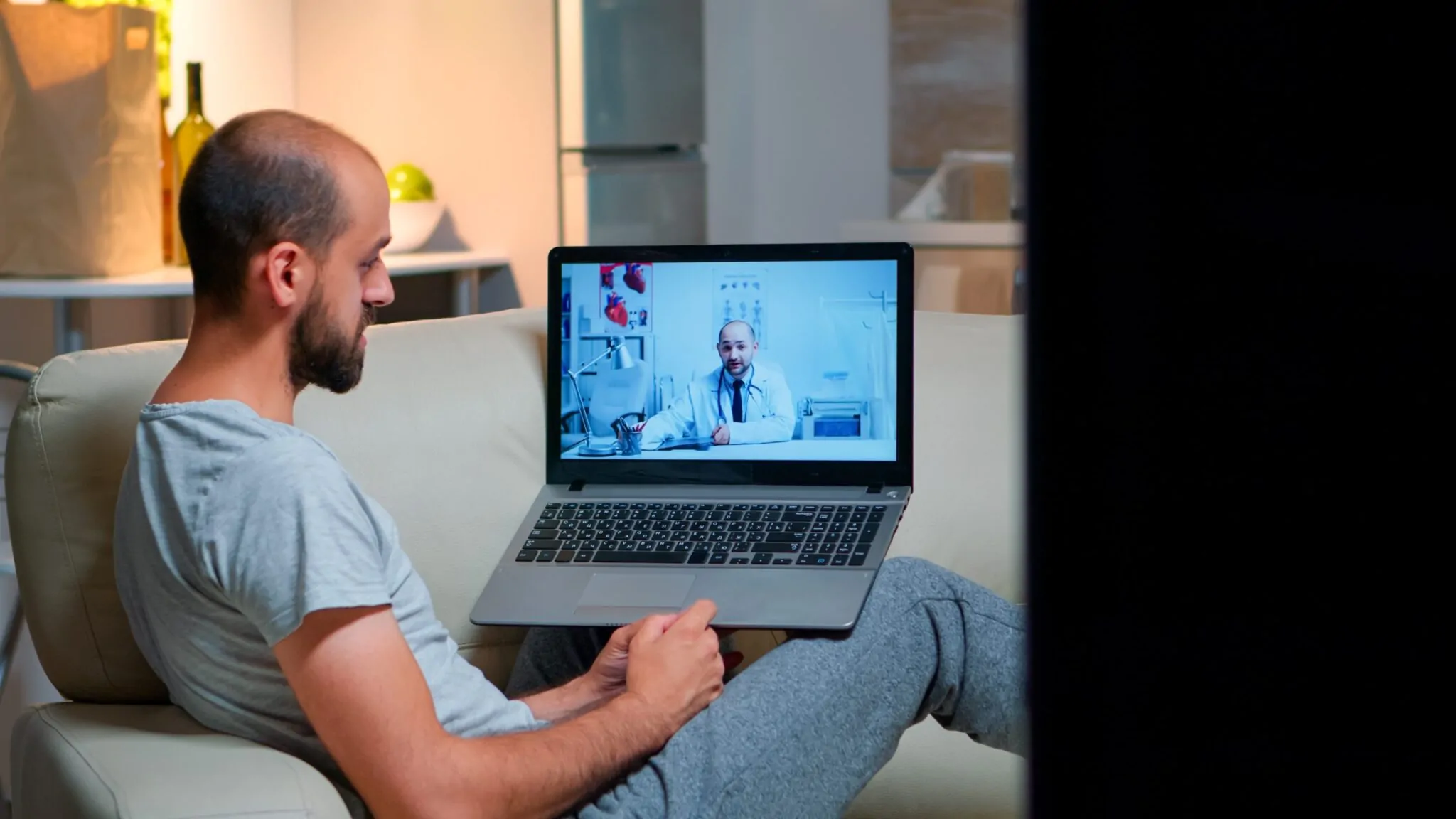
VA Telehealth refers to the use of digital communication tools—like video calls, secure messaging, and remote monitoring—to deliver health care services to veterans, no matter where they are. It allows veterans to connect with providers for medical consultations, therapy sessions, chronic condition monitoring, medication refills, and more, all from the comfort of their home or a nearby facility.
Rather than requiring long drives to clinics or hospitals, veterans can now attend virtual appointments using their smartphone, tablet, or computer. Telehealth also includes remote patient monitoring for those managing chronic conditions like hypertension or diabetes.
In fact, the VA now has one of the largest and most advanced telehealth systems in the country.
The Impact of Telehealth on Veterans’ Healthcare
Telehealth wasn’t widely used before the COVID-19 pandemic, but it has rapidly grown since then. The U.S. Department of Health and Human Services reported that telehealth visits increased 63-fold during the pandemic. Today, more than one in four Americans use telehealth in some form—and the VA alone conducted over 5.6 million virtual appointments in a single year.
For veterans, this shift has been particularly significant. Many live in rural or underserved areas, face physical mobility challenges, or juggle busy schedules. Virtual care helps overcome all of these barriers, bringing timely, high-quality care directly to the patient.
How VA Telehealth Works: Services and Tools
VA Telehealth offers a range of tools and services to meet veterans’ diverse health needs:
1. VA Video Connect
This is the VA’s secure video conferencing system, allowing veterans to meet with doctors, nurses, psychologists, and other professionals via video calls. It’s available through mobile devices or desktop computers.
Many veterans find it helpful for routine check-ups, follow-up appointments, or even mental health counseling.
2. My HealtheVet
This is an online portal that gives veterans access to their medical records and provides tools to:
- Send secure messages to health care providers
- Request medication refills
- Schedule or request appointments
- Review lab results and test outcomes
Many veterans find this platform invaluable for staying connected with their care team and managing ongoing health needs.
3. Remote Patient Monitoring
Devices like blood pressure monitors, glucose meters, and CPAP machines can now send real-time data directly to VA medical teams. This allows health professionals to monitor chronic conditions and adjust treatment without requiring in-person visits.
4. ATLAS Sites
Accessing high-speed internet can be difficult in some areas. That’s where ATLAS (Accessing Telehealth through Local Area Stations) comes in. These are community-based telehealth locations—often in VFW halls or other community centers—equipped with video conferencing tools. Veterans without reliable internet at home can use these locations for their virtual appointments.
Benefits of VA Telehealth
Telehealth isn’t just about convenience—it can be a lifeline for many veterans. Here’s how:
1. Increased Accessibility
For veterans living in remote or rural areas, telehealth removes the need to drive long distances to reach a VA facility. For others with mobility issues or disabilities, it means getting care without the physical strain of travel.
2. Faster, More Timely Care
Waiting weeks for an in-person appointment can be frustrating, especially for follow-ups or minor issues. Telehealth enables much quicker access to providers, sometimes within days or even hours, particularly when using secure messaging.
3. Comfort and Privacy
Discussing sensitive topics—such as PTSD, depression, anxiety, chronic pain, or erectile dysfunction—can feel easier from the privacy of home. Many veterans feel more relaxed and open during virtual sessions.
4. Support for Mental Health
Mental health services are a major part of the VA’s telehealth offerings. Veterans can access therapy sessions, psychiatric consultations, and even group counseling online.
5. Comprehensive Care Options
From primary care and rehabilitation to cardiology, dermatology, and even oncology consults, the VA’s telehealth services cover a wide range of specialties. Some smaller VA clinics can connect patients to larger facilities virtually, ensuring they still receive expert-level care.
Who Can Use VA Telehealth?
Most veterans who are enrolled in the VA health care system are eligible for telehealth services. Availability can vary slightly based on your location and specific needs, but the majority of enrolled veterans can benefit.
To get started:
- Enroll in My HealtheVet Premium Account: Visit www.myhealth.va.gov to register or upgrade your account.
- Talk to Your VA Care Team: Ask them about scheduling virtual visits or whether you qualify for remote monitoring.
- Download the VA Video Connect App: It’s available for both Apple and Android devices.
- Ask for Tech Support: If you’re not tech-savvy, don’t worry. The VA provides technical support and even step-by-step guides to help you set up and use these tools.
Telehealth in VA Clinics and Hospitals
Some veterans still prefer visiting a clinic or may require hands-on care. Even in these cases, telehealth can play a supporting role.
For example, a smaller VA clinic without a certain specialty (like oncology or dermatology) can connect you to a larger VA facility via secure video conferencing. This allows providers from different locations to work together on your care plan—without requiring you to travel.
If you’re hospitalized in a VA medical center, doctors may also consult with outside specialists through telehealth to get second opinions or support in complex cases.
Helpful Extras in Telehealth
There are also features many veterans might not know about:
- Journaling Tools: Some telehealth platforms allow you to log details like migraine episodes, sleep patterns, or physical activity. This information becomes part of your medical record and helps your care team track trends over time.
- Privacy and Security: The VA takes privacy very seriously. All telehealth services are designed to comply with HIPAA and other federal privacy standards.
- Educational Resources: On telehealth.va.gov, veterans can find helpful videos, articles, and FAQs to better understand the tools available.
Final Thoughts: A New Era of Veteran Health Care
Telehealth is here to stay—and that’s a good thing for veterans. It’s not just a high-tech convenience. For many, it’s a powerful way to get better, more accessible, and more timely care. Whether you’re dealing with a chronic illness, seeking therapy, or simply managing medications, VA telehealth is making health care easier and more personal than ever before.
If you’ve been hesitant to try it, take the first step. Talk to your VA provider. Sign up for My HealtheVet. Explore VA Video Connect. These tools are built with veterans in mind—because you deserve care that fits your life.
Whether you’re a seasoned telehealth user or just getting started, know that VA virtual care is designed to work for you.
Also read: How to File a VA Disability Claim
At Prestige Veteran Medical Consulting, a veteran-owned company, we specialize in Independent Medical Opinions (IMOs) known as Nexus letters.
Our purpose is to empower YOU, the veteran, to take charge of your medical evidence and provide you with valuable educational tools and research to guide you on your journey.
Understanding the unique challenges veterans face, our commitment lies in delivering exceptional service and support.
Leveraging an extensive network of licensed independent medical professionals, all well-versed in the medical professional aspects of the VA claims process, we review the necessary medical evidence to incorporate in our reports related to your VA Disability Claim.
Prestige Veteran Medical Consulting is not a law firm, accredited claims agent, or affiliated with the Veterans Administration or Veterans Services Organizations. However, we are happy to discuss your case with your accredited VA legal professional.