

The Caregiver Support Program (CSP) offered by the Department of Veterans Affairs (VA) is a crucial resource for veterans and their families. Despite its significant benefits, many eligible veterans and their caregivers remain unaware of this program. Leah Bucholz aims to shed light on the CSP, its two main components, and the eligibility criteria, providing a comprehensive understanding of how veterans and their families can benefit from it.

Table of Contents
Overview of the Caregiver Support Program
The CSP is designed to offer support to caregivers of veterans, ensuring they receive the necessary resources and assistance to provide effective care. The program is divided into two primary components:
- Program of General Caregiver Support Services (PGCSS)
- Program of Comprehensive Assistance for Family Caregivers (PCAFC)
Each component serves different needs and provides various levels of support to caregivers and veterans.
Program of General Caregiver Support Services (PGCSS)
Services Provided
The PGCSS offers a range of supportive services aimed at enhancing the caregiving experience. These services include:
- Peer Support Mentoring: Connecting caregivers with experienced mentors for guidance and support.
- Skills Training and Coaching: Providing caregivers with the necessary skills to care for veterans effectively.
- Telephone Support and Online Programs: Offering convenient and accessible support through various channels.
- Referrals to Available Resources: Connecting caregivers with local and national resources that can assist them.
Eligibility Criteria
To participate in the PGCSS, the veteran must be enrolled in VA health care and receiving assistance from a caregiver. There are no additional stringent eligibility requirements, making this program accessible to a broad range of veterans and their caregivers.
Program of Comprehensive Assistance for Family Caregivers (PCAFC)
Enhanced Clinical Support and Services
The PCAFC offers enhanced clinical support and services for caregivers of veterans who have a serious injury or illness. This program provides:
- Enhanced Clinical Support: Access to a dedicated support team that includes health professionals specialized in caregiver support.
- Caregiver Health and Well-being Coach: A coach to help caregivers manage their health and well-being.
- Skills Training and Peer Support Mentoring: In-depth training and mentoring to equip caregivers with the necessary skills.
- Mental Health Support: Access to mental health services for caregivers.
Additional Benefits
The PCAFC offers additional benefits that are not available in the PGCSS, including:
- CHAMPVA Healthcare: Health coverage for the caregiver if they are approved.
- Monthly Stipend: Financial assistance to help caregivers manage the costs associated with caregiving.
- Beneficiary Travel: Assistance with travel expenses for the caregiver.
Eligibility Criteria
To qualify for the PCAFC, both the veteran and the caregiver must meet specific criteria.
Veteran Eligibility
- Service Connection: The veteran must have a serious injury or illness incurred or aggravated in the line of duty.
- Disability Rating: The veteran must have a service-connected disability rated at 70% or more by the VA.
- In-Person Care Requirement: The veteran must require in-person personal care services for a minimum of six continuous months.
Caregiver Eligibility
- Age Requirement: The caregiver must be at least 18 years old.
- Relationship to Veteran: The caregiver must be a spouse, son, daughter, parent, step-family member, extended family member, or someone living with the veteran full-time.
- Training and Assessment: The caregiver must complete VA caregiver training and demonstrate the ability to provide necessary care.
- No Determination of Abuse or Neglect: The caregiver must not have any history of abuse or neglect as determined by the VA.
Resources for Assistance
Veterans and caregivers can seek assistance from various resources, including:
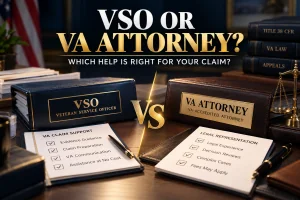
- Veteran Service Organizations (VSOs): Organizations that provide support and assistance with VA claims and programs.
- Legal Professionals: Attorneys who specialize in VA claims and can offer guidance through the application process.
- VA Caregiver Support Line: A dedicated support line for caregivers seeking information and assistance.
Conclusion
The Caregiver Support Program is an invaluable resource for veterans and their caregivers, offering a wide range of support services and benefits. By understanding the differences between the PGCSS and the PCAFC, veterans and their families can determine which program best meets their needs. With the right support, caregivers can provide better care for veterans, enhancing their quality of life and well-being. Veterans and their families are encouraged to explore these programs and take advantage of the resources available to them.
Also read: Top 5 Conditions Related to Knee Pain in Veterans Disability
At Prestige Veteran Medical Consulting, a veteran-owned company, we specialize in Independent Medical Opinions (IMOs) known as Nexus letters.
Our purpose is to empower YOU, the veteran, to take charge of your medical evidence and provide you with valuable educational tools and research to guide you on your journey.
Understanding the unique challenges veterans face, our commitment lies in delivering exceptional service and support.
Leveraging an extensive network of licensed independent medical professionals, all well-versed in the medical professional aspects of the VA claims process, we review the necessary medical evidence to incorporate in our reports related to your VA Disability Claim.
Prestige Veteran Medical Consulting is not a law firm, accredited claims agent, or affiliated with the Veterans Administration or Veterans Services Organizations. However, we are happy to discuss your case with your accredited VA legal professional.