

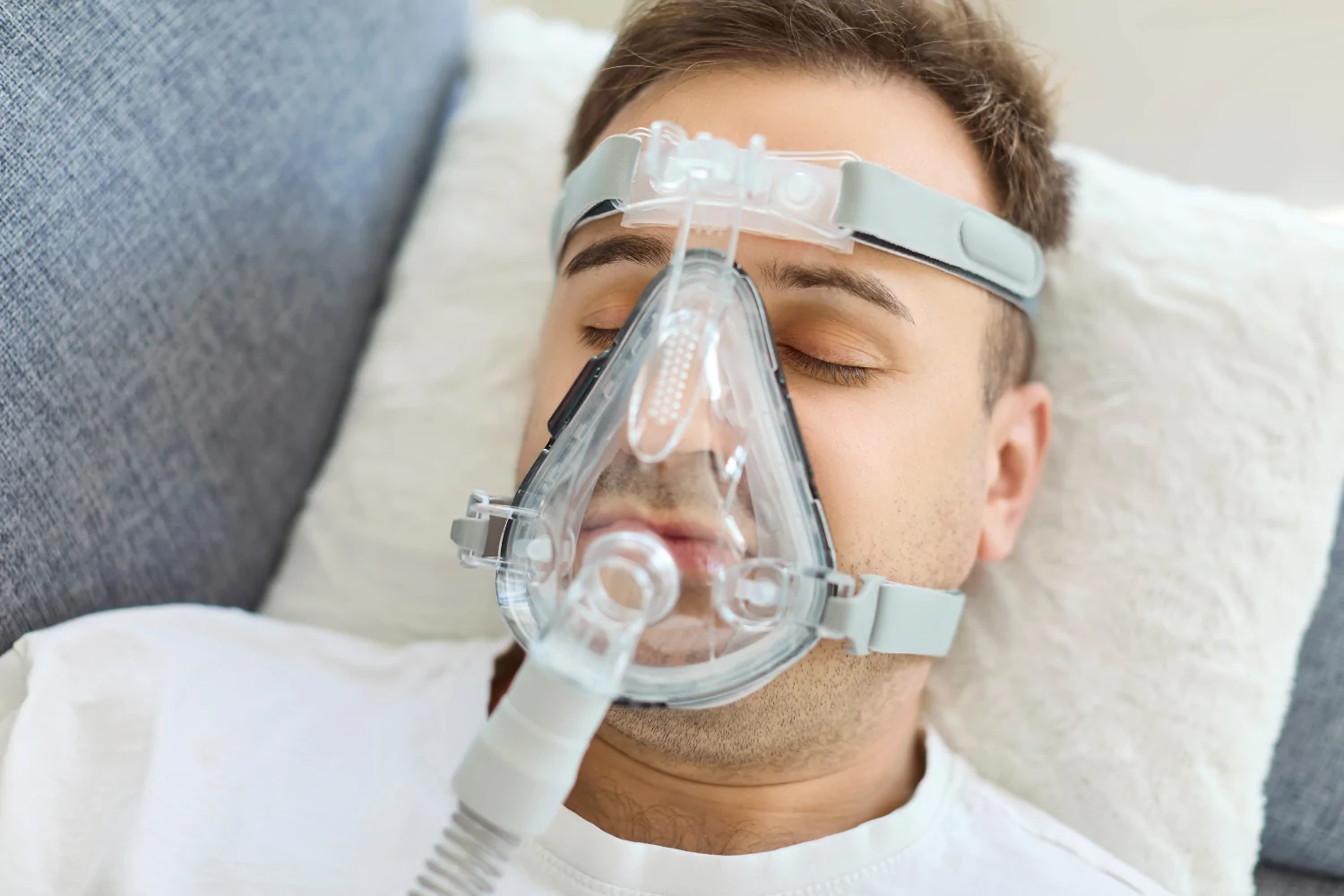
Many veterans live with tinnitus, a condition that can follow years of exposure to gunfire, aircraft engines, and other high-intensity noise during military service. As tinnitus becomes chronic, some veterans may even develop chronic fatigue, loud snoring, and disrupted sleep, symptoms that indicate sleep apnea. Research indicates that up to 71% of individuals with tinnitus report sleep problems.
Understanding their medical relationship and the evidence required to link them for VA disability purposes helps veterans make informed decisions when pursuing a secondary service connection.
Table of Contents
Understanding Tinnitus in Veterans
Tinnitus is the perception of sound, often described as ringing, buzzing, or hissing in one or both ears without any external source. Among veterans, tinnitus consistently ranks as #1 most common service-connected disability, and is frequently linked to:
- Repeated exposure to loud weapons fire and combat situations
- Aircraft and heavy machinery noise
- Explosions and blast injuries
- Traumatic brain injury
- Environmental noise exposure during service
Veterans with chronic tinnitus often report difficulty falling asleep, frequent awakenings, and increased stress or irritability. The condition can vary from mild and occasional to severe and constant. In many cases, tinnitus interferes with sleep, concentration, and emotional well-being.
What Is Sleep Apnea?
Sleep apnea is a sleep disorder in which breathing repeatedly stops and starts during sleep.
The most common type is obstructive sleep apnea (OSA), which occurs when throat muscles relax, causing the upper airway to collapse and block airflow. Another form, central sleep apnea, occurs when the brain fails to send proper breathing signals.
Because obstructive sleep apnea accounts for the majority of cases, it is the primary focus when discussing tinnitus-related sleep disorders.
Many veterans do not realize they have OSA because symptoms occur during sleep. Common warning signs include:
- Loud snoring
- Choking or gasping during sleep
- Excessive daytime fatigue
- Morning headaches or dry mouth
- Difficulty concentrating
- Memory lapses or brain fog
- Feeling unrefreshed even after 8 hours of sleep
For veterans already facing higher rates of chronic health conditions, sleep apnea is not simply an inconvenience. Untreated OSA may increase the risk of cardiovascular disease, stroke, hypertension, diabetes, and cognitive decline.
Because of these risks, diagnosis and treatment are important both medically and for VA claims purposes. In many cases, documented treatment such as the use of a Continuous Positive Airway Pressure (CPAP) machine or other prescribed therapies can support a higher rating when veterans seek disability benefits for sleep apnea.
Why Tinnitus and Sleep Apnea Often Occur Together
Many veterans experience tinnitus and sleep apnea together. Research and clinical observations have shown several mechanisms that help explain why they frequently coexist.
A large cross-sectional analysis of 9,693 U.S. adults from the National Health and Nutrition Examination Survey (NHANES 2005–2018) found that short sleep duration, diagnosed sleep disorders, and symptoms consistent with sleep apnea were significantly associated with bothersome tinnitus. These associations remained independent of measurable hearing loss, suggesting a central mechanism linking apnea–related sleep disruption to tinnitus (Awad et al., 2024).
Here are the primary mechanisms that explain this relationship:
Disturbed Sleep Architecture
Tinnitus is often more noticeable at night and makes it difficult to fall asleep or return to sleep. Over time, this leads to fragmented sleep and disruptions in normal sleep architecture.
Sleep architecture is the natural cycle of sleep stages, which usually progresses through light, deep, and REM sleep. When sleep is repeatedly interrupted, the body spends more time in lighter sleep stages, and breathing patterns may become unstable. This instability can aggravate existing sleep-disordered breathing.
Veterans with obstructive sleep apnea often experience frequent micro-arousals, and tinnitus can further compound these awakenings.
Chronic Stress Hyperarousal
Persistent noise perception can act like a constant alarm signal to the brain. Over time, it may trigger a chronic stress response, resulting in physiological effects such as:
- Blood pressure fluctuations
- Altered heart rate variability
- Disrupted autonomic nervous system balance
- Heightened “fight-or-flight” activation at night
This nighttime hyperarousal can destabilize breathing regulation and upper airway control, increasing vulnerability to obstructive sleep apnea and other sleep disorders.
Oxygen Deprivation and Cochlear Damage
Obstructive sleep apnea (OSA) causes repeated drops in oxygen saturation, known as intermittent hypoxia, during apnea and hypopnea episodes. These oxygen fluctuations can damage the inner-ear structures especially the cochlea, which is highly sensitive to oxygen deprivation.
Repeated low-oxygen cycles may injure delicate hair cells through mechanisms similar to cochlear ischemia. Over time, this cellular stress prompts the brain to compensate for lost auditory input by generating phantom noise, thereby worsening tinnitus particularly in veterans with moderate-to-severe OSA.
Inflammatory Activation
Intermittent hypoxia from sleep apnea triggers systemic and neural inflammation. Repeated oxygen drops followed by reoxygenation activate immune cells, release inflammatory chemicals (cytokines), and create oxidative stress. This chronic inflammatory state may damage small blood vessels in the inner ear and affect auditory pathways in the brain.
Also, fragmented sleep linked to OSA causes neuroinflammation and neurotransmitter imbalance, which may increase brain reactivity and make tinnitus louder and more intrusive.
Snoring-Induced Vibratory Stress
Loud, chronic snoring in untreated moderate-to-severe sleep apnea can reach 70–90 decibels or even higher at close range, similar to heavy traffic noise. Repetitive vibratory sound waves can transmit through the upper airway and the skull base toward the middle and inner ear structures. Combined with intermittent hypoxia, these vibrations may increase microvascular stress and cochlear hair cell strain, potentially sensitizing central auditory pathways and worsening tinnitus.
Shared Risk Factors
Tinnitus and sleep apnea often share underlying risk factors, including:
- Age
- Cardiovascular disease
- Hypertension
- Obesity
- Certain medications affecting blood pressure
Because these conditions often develop alongside one another, many veterans experience both without realizing that the two may interact.
The Bidirectional Relationship Between OSA and Tinnitus

The relationship between tinnitus and sleep apnea is often understood as bidirectional (a “vicious cycle”). Rather than a simple cause-and-effect relationship, the two conditions frequently reinforce each other.
Here is an explanation:
Tinnitus Aggravates Sleep Apnea
Tinnitus can disrupt sleep, leading to insomnia and fragmented sleep patterns. Poor sleep, in turn, can increase stress and brain hyperactivity, intensifying the perception of ringing in the ears.
Sleep Apnea Aggravates Tinnitus
Sleep apnea can also contribute to tinnitus symptoms. Repeated drops in oxygen levels during apnea episodes may stress delicate auditory structures in the inner ear. Intermittent hypoxia and inflammation may affect the auditory pathways and increase tinnitus severity in some veterans.
A 2024 systematic review and meta-analysis published in the Ear, Nose & Throat Journal analyzing data from 132,292 adults (including 1,556 individuals with obstructive sleep apnea) found that those with OSA had significantly higher odds of experiencing tinnitus compared to those without.
So instead of a straight line (“A causes B”), it’s often more accurate to view the relationship between tinnitus and sleep apnea as one of interaction + aggravation.
Example: Let’s say a veteran developed tinnitus after years of weapons training. At night, the ringing becomes louder, causing repeated awakenings. Gradually, because of fragmented sleep, his untreated mild sleep apnea worsens. The veteran starts to experience symptoms like daytime fatigue, headaches, and a significant increase in tinnitus severity. A sleep study (polysomnography) finally reveals moderate OSA that had gone unnoticed.
Can Veterans Claim Sleep Apnea Secondary to Tinnitus?
Yes, eligible veterans are legally allowed to file a claim for sleep apnea secondary to tinnitus. But these claims are complex and often misunderstood.
From a medical standpoint, tinnitus does not directly cause obstructive sleep apnea. OSA is primarily a mechanical condition involving airway collapse during sleep, while tinnitus is related to auditory perception and neurological processing. Therefore, a VA disability claim arguing that tinnitus directly caused airway obstruction is unlikely to succeed. Fortunately, there’s an interesting catch.
Aggravation Instead of Direct Causation
Tinnitus can worsen sleep quality, increase nighttime awakenings, and contribute to insomnia. In turn, these disruptions may aggravate obstructive sleep apnea (OSA) symptoms or make milder cases more noticeable. The relationship between the two conditions is therefore more accurately described as aggravation rather than direct causation.
In the VA disability context, this distinction matters, as the connection is typically framed around tinnitus worsening sleep apnea beyond its natural progression rather than tinnitus being the primary cause of OSA.
The VA recognizes secondary service connection through aggravation under 38 CFR § 3.310(b).
Evidence that Can Help Support a Sleep Apnea Secondary to Tinnitus Claim
To support a claim, veterans may consider gathering the following pieces of evidence:
Diagnosis Through a Sleep Study (Polysomnography)
For veterans filing a sleep apnea claim secondary to tinnitus, a confirmed diagnosis supported by objective testing is mandatory. Submit results from an overnight polysomnography or an approved home sleep apnea test that clearly diagnoses OSA and its severity.
The report should include your Apnea–Hypopnea Index (AHI) score with 5 to 14 events per hour (mild), 15 to 29 (moderate), and 30 or more (severe), along with oxygen desaturation levels and other supporting findings.
Documentation of Service-Connected Tinnitus
To obtain secondary service connection for OSA, you must first have tinnitus established as a primary service-connected disability, typically rated at 10 percent. Include your VA rating decision, award letter, and code sheet confirming the official diagnostic code (e.g., DC 6260 for tinnitus).
A documented tinnitus award strengthens your medical nexus and supports aggravation of related conditions, such as sleep disturbances, in some cases.
Nexus Letter Explaining Aggravation
While never required, for many veterans, a nexus letter written by a qualified medical provider is often the deciding document in a secondary service-connection claim. An effective nexus opinion must explain how tinnitus aggravated obstructive sleep apnea beyond its natural progression.
In doing so, the provider should include sound medical reasoning, reference the veteran’s records, and state that “it is at least as likely as not” the conditions are connected. Vague nexus statements such as “could be related” without a supporting rationale, frequently lead to VA claim denial.
When VA exam opinions are inadequate, many veterans choose to obtain an independent medical nexus letter for stronger evidence.
We’ll explore the role of a medical nexus later in detail.
Medical Records Linking the Conditions + Proof of CPAP Use (If Prescribed)
Provide medical records that clearly show how your tinnitus contributes to your sleep problems. Submit treatment notes linking tinnitus-related sleep disturbances to breathing issues: complaints of frequent awakenings, non-restorative sleep, snoring, daytime fatigue, or witnessed apneas. These notes help establish continuity and aggravation.
If a Continuous Positive Airway Pressure (CPAP) therapy has been prescribed to you, include proof of use, prescription details, and compliance reports. CPAP documentation is especially important because it qualifies for a 50 percent VA rating under Diagnostic Code 6847.
Personal or Lay Statements Describing Real-Life Impact
When filing a VA claim, strong lay evidence can clearly link tinnitus and sleep apnea symptoms to their real-world functional impact. Veterans often submit personal statements on VA Form 21-4138 to document symptom history and daily impairment.
Spouses, roommates, or coworkers can also provide lay statements describing specific observations, such as loud snoring, gasping, witnessed breathing pauses, morning headaches, irritability, or dozing at work. For example, using VA Form 21-10210, a spouse may report choking episodes at night or a coworker may note that you struggle to stay awake during meetings.
Compensation and Pension (C&P) Examination Results
Most VA disability claims trigger a Compensation and Pension (C&P) examination. The C&P exam for sleep apnea secondary to tinnitus is a medical evaluation used by the VA to determine whether your sleep apnea is connected to, or aggravated by, your service-connected tinnitus.
To prepare for your VA C&P exam:
- Gather relevant medical records and keep a journal documenting symptoms of both conditions and their impact on your sleep and daily life.
- Review the Sleep Apnea Disability Benefits Questionnaire (DBQ) to understand the evaluation criteria.
- Prepare to answer common questions about diagnoses, treatment, and how your tinnitus affects your ability to fall asleep.
- Consider bringing a support person if helpful.
- Be honest, clear, and specific when describing your symptoms and how tinnitus aggravates your OSA.
Because gathering and presenting the right evidence can be challenging, many veterans work with VA-accredited representatives, attorneys, or claim agents who can guide them through the process.
VA Disability Ratings for Tinnitus-Sleep Apnea Secondary Claim
Sleep Apnea VA Rating Criteria
Sleep apnea is evaluated under 38 C.F.R. § 4.97, Diagnostic Code 6847, with ratings typically ranging from 0%, 30%, 50%, and 100% depending on severity:
- 0% Rating – Diagnosis without significant symptoms
- 30% Rating – Persistent daytime hypersomnolence
- 50% Rating – Requires CPAP or other breathing assistance device
- 100% Rating – Rare, severe complications such as respiratory failure with CO₂ retention, cor pulmonale/enlarged right ventricle, or tracheostomy
The VA has proposed revising sleep apnea ratings to shift the focus away from automatic 50% evaluations based solely on CPAP use. Future ratings may focus more on documented symptoms, functional impairment, and response to treatment rather than the presence of a prescribed breathing device alone.
Tinnitus VA Rating Criteria
The Department of Veterans Affairs grants a maximum 10% rating for tinnitus under 38 C.F.R. § 4.87, Diagnostic Code 6260, whether unilateral or bilateral. Because tinnitus often leads to secondary conditions like sleep apnea, mental health disorders, or migraines, they can significantly increase overall compensation when approved.
Proposed VA tinnitus rating changes could eliminate the standalone 10% rating under Diagnostic Code 6260 and would instead rate tinnitus as a symptom of another service-connected condition (e.g., hearing loss). A 10% rating would be possible only if the associated hearing loss is non-compensable.
Schedule for Rating Disabilities; Ear, Nose, Throat, and Audiology Disabilities; Special Provisions, 87 Fed. Reg. 8474 (Feb. 15, 2022).
Note: These are proposed rule changes and do not represent final regulations. Veterans should verify 38 C.F.R. Part 4 or consult an accredited VA representative for the most up-to-date guidance.
How VA Combined Ratings Work
The VA does not simply add disability percentages. Instead, each rating is applied to the portion of the body considered “efficient.”
For example:
- Start with 10% tinnitus → VA sees 90% “efficient”
- Add 30% sleep apnea → 30% of 90 = 27 → 10 + 27 = 37 → rounds to 40%
- Add 50% sleep apnea → 50% of 90 = 45 → 10 + 45 = 55 → rounds to 60%
Higher combined ratings can increase monthly compensation and eligibility for additional benefits, including expanded healthcare coverage.
The Importance of a Medical Nexus Letter in Establishing a Secondary Link
A detailed nexus letter explaining the relationship between tinnitus-related sleep disturbance and worsening sleep apnea is often a helpful piece of evidence in some cases.
Typically, a strong nexus letter for sleep apnea secondary to tinnitus should:
- Be written by a qualified medical professional (sleep specialist, ENT, pulmonologist, or experienced physician)
- Confirm review of medical history and sleep study results
- Use VA probability language such as “at least as likely as not”
- Provide a detailed medical rationale clearly explaining whether the condition was aggravated beyond natural progression using measurable evidence (sleep study comparisons, AHI scores, REM awakenings)
- Reference medical literature linking tinnitus and sleep apnea
Rather than stating that tinnitus directly causes airway collapse (not medically established), the provider should explain how tinnitus-related sleep disruption (such as insomnia, hyperarousal, and repeated awakenings) worsens sleep architecture and aggravates OSA symptoms.
Finally, the nexus letter provider must rule out alternative causes such as obesity, age, anatomy, smoking, enlarged tonsils, or family history.
Without a well-supported medical nexus opinion, secondary claims are frequently denied by the VA.
VA.gov Steps to Filing a Sleep Apnea Secondary to Tinnitus Claim
In cases involving sleep apnea claimed as secondary to service-connected tinnitus, the way the claim is characterized can play a significant role in how the VA evaluates it. Claims based on secondary service connection are analyzed under a different framework than direct service connection claims, and the supporting evidence must address that relationship specifically.
Clear documentation reflecting the theory of secondary service connection, along with medical evidence discussing causation or aggravation, often becomes central to how the VA reviews and adjudicates these claims.
1. File Your VA Disability Claim
Complete VA Form 21-526EZ (Application for Disability Compensation and Related Compensation Benefits) and submit it using one of these filing methods:
- File online at VA.gov for the fastest processing
- Mail it to the VA Claims Intake Center
- Fax it (where available)
- Submit it in person at a VA Regional Office with assistance from a Veterans Service Organization (VSO)
2. Specify Secondary Service Connection
On VA Form 21-526EZ, list whatever the condition is as a claimed condition
3. Upload Supporting Documents
For this, consider attaching your sleep study, tinnitus rating decision letter, nexus letters, medical records, and any lay statements. Ensure all documents are labeled clearly to avoid delays.
4. Submit and Track Your Claim with the assistance of an accredited claims professional when applicable.
After submission, monitor your VA claim status on: https://www.va.gov/claim-or-appeal-status/. Respond to any VA requests quickly.
5. Attend the C&P Exam Without Fail
If the VA schedules a C&P exam, bring copies of key records and be prepared to explain how tinnitus worsens your sleep apnea.
6. Review the Rating Decision
Once you receive the decision, review it carefully for errors in reasoning, overlooked evidence, or incorrect effective dates.
If you’re unsatisfied with the VA decision, the Appeals Modernization Act lists several options for Veterans to include filing a supplemental claim, higher-level review, or appeal. Consider seeking professional help from a VA-accredited attorney to strengthen your case.
Case Study: Secondary Service Connection for Sleep Apnea Due to Tinnitus
Citation: A25015512
Decision Date: February 20, 2025
Adjudicating Body: Board of Veterans’ Appeals
Background
The Veteran served on active duty from October 2011 to March 2012 and in March 2014. He sought entitlement to service connection for obstructive sleep apnea (OSA), asserting it was secondary to his service-connected tinnitus. The January 2024 rating decision, issued under the Appeals Modernization Act (AMA), was reviewed under the Direct Review docket.
Medical Evidence That Got Approval
The Agency of Original Jurisdiction (AOJ) had already made two favorable findings confirming:
- A current diagnosis of obstructive sleep apnea.
- Service connection for tinnitus.
VA medical opinions from several examiners (March 2021, August 2021, November 2022) generally concluded that OSA was less likely than not caused or aggravated by tinnitus, citing lack of medical literature and high BMI as a primary risk factor.
However, the August 2021 examiner acknowledged that tinnitus-related sleep disturbance affected the veteran’s ability to effectively use his CPAP machine. A July 2022 private medical opinion supported a nexus, citing medical literature linking tinnitus and sleep apnea, particularly among veterans.
Why the Board Granted the Claim
Under 38 C.F.R. § 3.310 and relevant case law (Allen; Ward; Spicer), secondary service connection may be granted for aggravation or interference with treatment (in this case tinnitus interfering with CPAP compliance). The Board found the evidence in equipoise and, applying the benefit-of-the-doubt doctrine (38 U.S.C. § 5107(b)), granted service connection for sleep apnea as secondary to tinnitus.
Citation Nr. A25015512, Board of Veterans’ Appeals (Feb. 20, 2025).
Final Thoughts
Sleep apnea and tinnitus are both common among veterans, and the connection between them is increasingly recognized. While tinnitus does not directly cause sleep apnea in most cases, it can significantly worsen sleep quality and aggravate existing sleep-disordered breathing.
For veterans pursuing a VA claim, recognizing this aggravation is essential. Claims supported by strong medical evidence and a well-reasoned nexus opinion are far more likely to succeed.
Most importantly, veterans should seek early diagnosis and treatment not only to improve health but also to provide the documentation necessary for disability claims if service connection is warranted.
Frequently Asked Questions (FAQs)
Does Tinnitus Directly Cause Sleep Apnea?
No, tinnitus does not directly cause obstructive sleep apnea, but it can aggravate its symptoms by disrupting sleep and increasing nighttime hyperarousal.
What are the top conditions secondary to tinnitus?
Common secondary conditions linked to tinnitus include sleep apnea, insomnia, anxiety, depression, and migraine headaches due to chronic sleep disruption and stress activation.
What additional secondary conditions may be related to sleep apnea?
Sleep apnea may be linked to conditions such as hypertension, chronic sinusitis, depression and anxiety, migraines, and GERD, which can increase combined disability ratings when properly documented and service-connected.
How do I get a nexus letter for sleep apnea secondary to tinnitus?
You can obtain a nexus letter by asking a qualified medical professional, such as a sleep specialist, ENT, or pulmonologist, to review your records and provide a detailed opinion stating it is “at least as likely as not” that tinnitus aggravated your sleep apnea beyond natural progression.
How to prove sleep apnea is secondary to my service-related tinnitus?
To prove secondary service connection, you must show a confirmed sleep apnea diagnosis, proof of service-connected tinnitus, and a medical nexus explaining the aggravation.
Can I get a VA rating for sleep apnea secondary to tinnitus?
Yes, veterans can receive a VA disability rating for sleep apnea secondary to tinnitus if they demonstrate a connection with sufficient medical evidence.
How can sleep apnea affect hearing and tinnitus?
Sleep apnea reduces oxygen levels that can damage sensitive inner ear cells and cause poor sleep and disrupt sleep, leading to fatigue that can heighten the perception of tinnitus.
Why are claims for sleep apnea secondary to tinnitus often denied?
They are often denied because most claims have insufficient evidence to support this connection. Many Veterans have cofactors like obesity that also may take precedence. Many applications submit weak medical evidence, unclear nexus letters, and insufficient documentation that lead to denial.
Also Read: How to Get a Nexus Letter for Sleep Apnea? (Sample Template Included)
At Prestige Veteran Medical Consulting, a veteran-owned company, we specialize in Independent Medical Opinions (IMOs) known as Nexus letters.
Our purpose is to empower YOU, the veteran, to take charge of your medical evidence and provide you with valuable educational tools and research to guide you on your journey.
Understanding the unique challenges veterans face, our commitment lies in delivering exceptional service and support.
Leveraging an extensive network of licensed independent medical professionals, all well-versed in the medical professional aspects of the VA claims process, we review the necessary medical evidence to incorporate in our reports related to your VA Disability Claim.
Prestige Veteran Medical Consulting is not a law firm, accredited claims agent, or affiliated with the Veterans Administration or Veterans Services Organizations. However, we are happy to discuss your case with your accredited VA legal professional.