

Neck pain and cervical spine conditions can significantly impact the daily lives of individuals, especially for veterans seeking compensation and pension (C&P). So let’s explore the process of a C&P exam for neck pain and cervical spine conditions. Leah Bucholz, a former C&P examiner, sheds light on what to expect during these examinations. It’s essential to understand the steps involved to navigate the process more confidently.

Table of Contents
Preparing for the Neck Pain and Cervical Spine Conditions C&P Exam
One of the first steps in the C&P exam journey is typically receiving a packet in the mail, detailing crucial information about the appointment. This packet typically includes the location, time, and details of the examiner. Importantly, it may contain a Disability Benefit Questionnaire (DBQ), providing an overview of the examination process.
Understanding the Disability Benefit Questionnaire (DBQ)
The DBQ is a comprehensive document used by examiners to assess and document various aspects related to neck pain and cervical spine conditions. Let’s break down the key sections of the DBQ.
Examiner Information
The first part of the DBQ focuses on the examiner’s information, including their name, specialty, and relevant details. This section ensures transparency and allows veterans to understand who will be conducting the examination.
Diagnosis and Claimed Conditions
The DBQ prompts the examiner to record the veteran’s claimed conditions and diagnoses. This includes specifying the nature of the condition, associated symptoms, and whether the veteran has a current diagnosis for each claimed condition.
History and Flare-ups
Veterans are asked to describe the history of their neck pain and cervical spine condition, including onset and any flare-ups. Understanding when the condition worsens or improves is crucial for an accurate assessment.
Functional Loss and Range of Motion
Examiners evaluate functional loss and impairment by assessing the veteran’s range of motion. This involves measuring various movements, such as flexion, extension, lateral flexion, and rotation. These measurements contribute to determining the veteran’s disability rating.
Pain and Additional Factors
The DBQ addresses the presence of pain during motion and explores factors like crepitus, tenderness, and soft tissue palpation. These details help paint a comprehensive picture of the veteran’s condition.
Radiculopathy and Neurologic Abnormalities
If applicable, the examiner assesses radiculopathy, a condition involving nerve dysfunction. This section delves into symptoms like radiating pain or sensory changes in the arms or legs, providing a deeper understanding of the veteran’s neurological health.
Functional Impact and Assistive Devices
Examiners inquire about the impact of the condition on the veteran’s daily life and employment. This includes the use of assistive devices like canes, crutches, or wheelchairs. The functional impact helps determine the need for special monthly compensation.
Medical Opinions and Diagnostic Testing
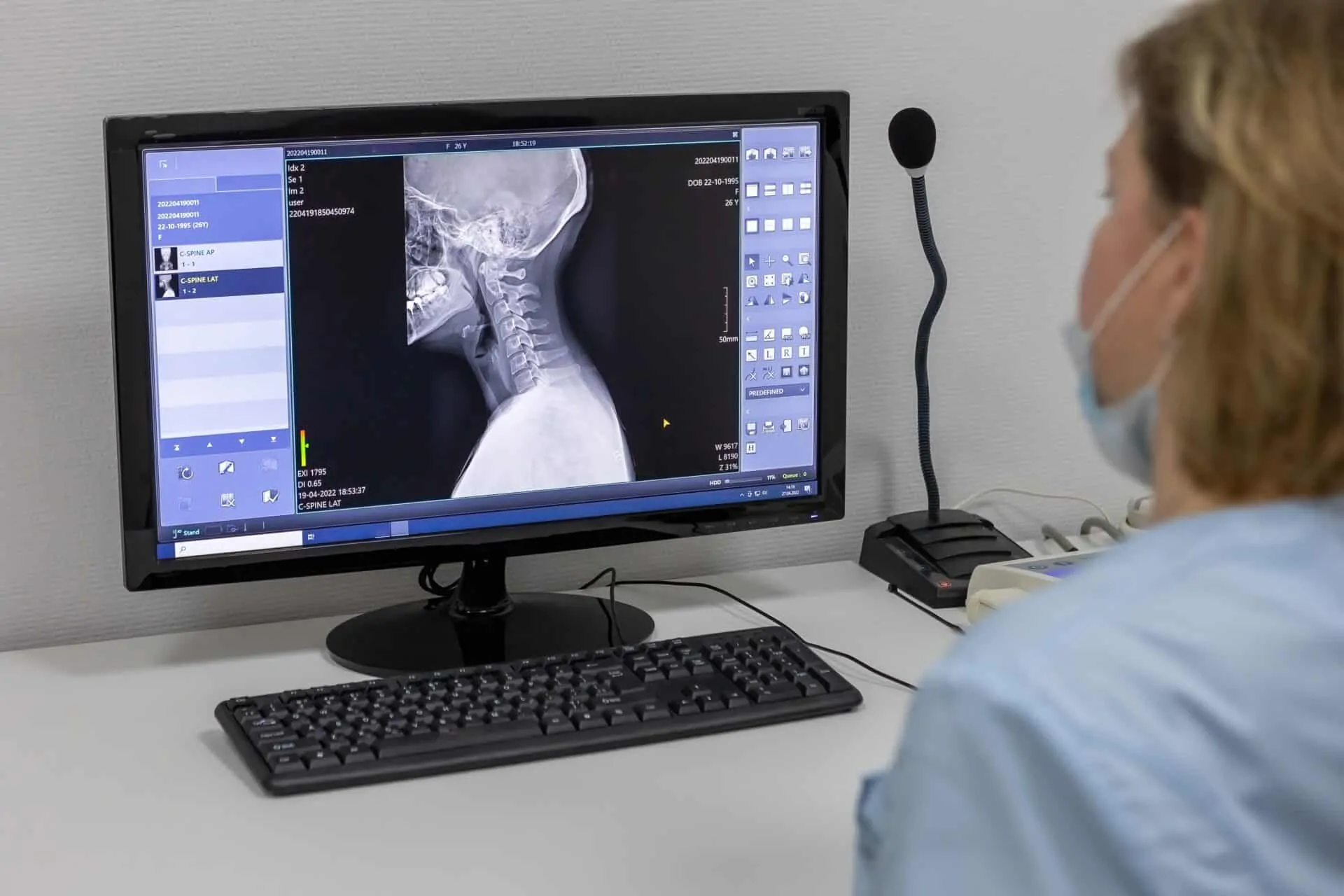
The DBQ may also involve the examiner providing a medical opinion on the relationship between the condition and military service. Additionally, diagnostic testing, such as MRI, CT scans, and x-rays, is considered to provide a comprehensive overview of the veteran’s health.
Conclusion
Navigating a C&P exam for neck pain and cervical spine conditions may seem overwhelming, but understanding the process and the elements of the DBQ can alleviate some of the confusion. Veterans should be prepared to discuss their medical history, symptoms, and the impact of their condition on daily life. These exams are essential for accurately assessing the impact of service-related conditions and determining appropriate compensation. If you are a veteran undergoing a neck pain and cervical spine conditions C&P exam, use this knowledge to approach the examination with confidence and ensure that your experience is thorough and accurate.
Also read: Tension Headaches & Depression in Veterans Disability
At Prestige Veteran Medical Consulting, a veteran-owned company, we specialize in Independent Medical Opinions (IMOs) known as Nexus letters.
Our purpose is to empower YOU, the veteran, to take charge of your medical evidence and provide you with valuable educational tools and research to guide you on your journey.
Understanding the unique challenges veterans face, our commitment lies in delivering exceptional service and support.
Leveraging an extensive network of licensed independent medical professionals, all well-versed in the medical professional aspects of the VA claims process, we review the necessary medical evidence to incorporate in our reports related to your VA Disability Claim.
Prestige Veteran Medical Consulting is not a law firm, accredited claims agent, or affiliated with the Veterans Administration or Veterans Services Organizations. However, we are happy to discuss your case with your accredited VA legal professional.