

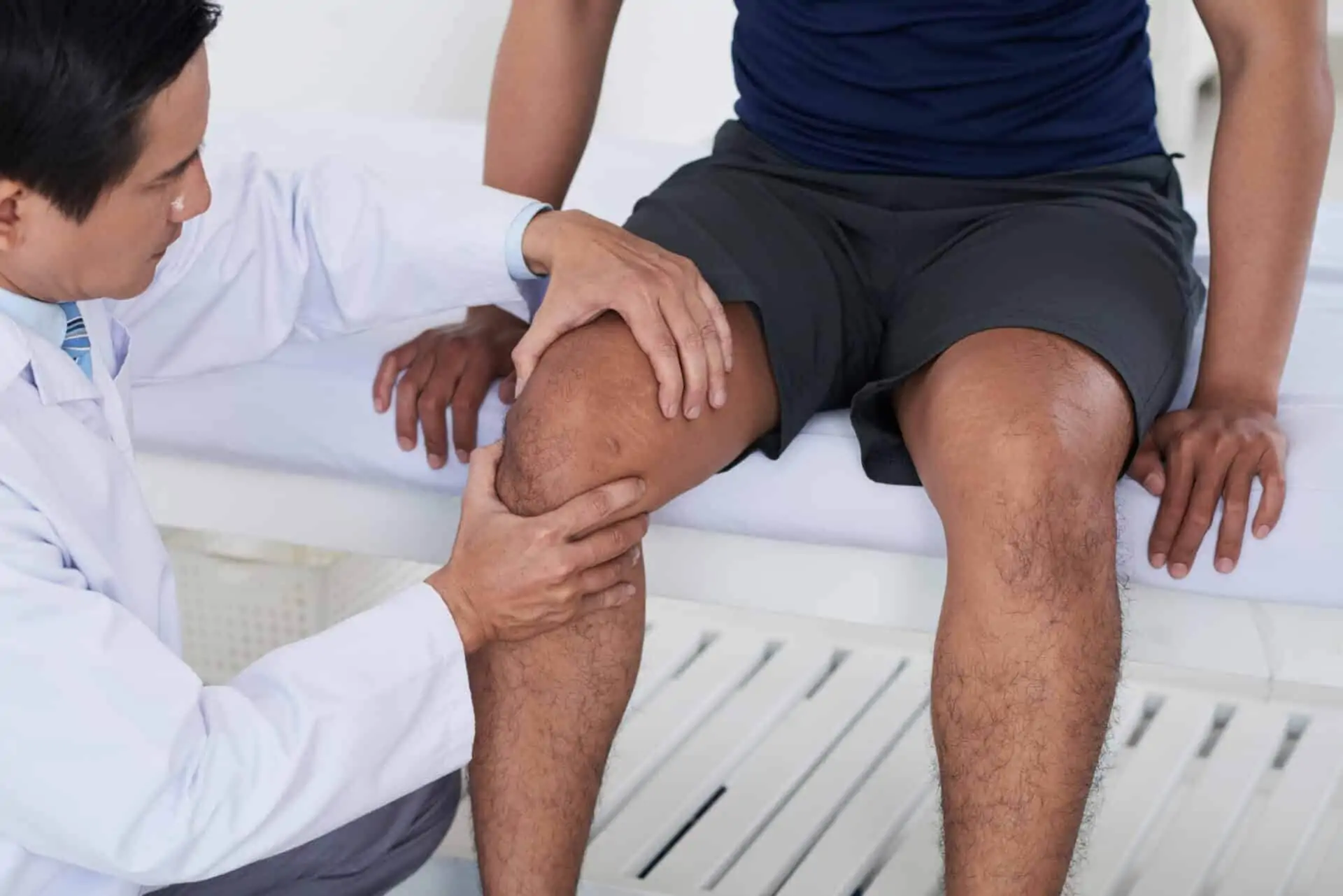
Patellofemoral Pain Syndrome (PFPS) is a prevalent condition among U.S. Army veterans and active-duty service members, causing anterior knee pain. Leah will explore the anatomy of the knee, discuss ways in which veteran often develop the condition and eventually get service-connected for this, and provide insights on how many people overcome Patellofemoral Pain Syndrome.

To comprehend PFPS, it’s essential to have a basic understanding of the knee’s anatomy. The knees are complex joints involving bones, tendons, ligaments, and muscles. The patellar tendon connects the quadriceps muscle to the patella (kneecap) and extends down to the tibia. Patellofemoral Pain Syndrome primarily affects the front of the knee, leading to pain during weight-bearing activities like walking, running, and climbing stairs.
Table of Contents
What is PFPS?
PFPS is characterized by anterior knee pain and is often considered an overuse injury of the knee joint. Factors such as patellar maltracking, where the kneecap moves incorrectly, can contribute to PFPS. Improper equipment use and overuse may also strain the knee, leading to pain during various activities. It’s important to note that Patellofemoral Pain Syndrome is generally not easily detectable through imaging, making it crucial for individuals to seek professional medical advice for an accurate diagnosis.
Service Connection for PFPS
Many veterans may wonder how they can establish service connection for PFPS. Service connection can occur either through direct service connection or secondary service connection. Direct service connection involves demonstrating that the condition started or worsened during active duty, while secondary service connection links Patellofemoral Pain Syndrome to another service-connected condition that caused, worsened, or aggravated it.
Veterans often support their claims with medical records and buddy statements, especially if the condition developed or was exacerbated during military service.
Ratings and Compensation for PFPS
If a veteran successfully establishes service connection for PFPS, they may be eligible for disability compensation. Ratings for Patellofemoral Pain Syndrome are subject to change and can range based on the severity of limitations. Limitations of knee extension or instability can contribute to the rating.
It is essential for veterans to consult with a Veterans Service Officer (VSO) or another accredited legal professional to understand the specifics of their case and potential compensation.
Conclusion
Patellofemoral Pain Syndrome is a common challenge for veterans, often leading to anterior knee pain. By understanding the anatomy of the knee, the process of service connection, and potential ratings for PFPS, veterans can navigate the complexities of the condition. If you suspect PFPS or any knee-related issues, seeking professional medical advice is essential for an accurate diagnosis and tailored treatment plan.
Also read: Asthma and Burn Pit Exposure in Veterans Disability
At Prestige Veteran Medical Consulting, a veteran-owned company, we specialize in Independent Medical Opinions (IMOs) known as Nexus letters.
Our purpose is to empower YOU, the veteran, to take charge of your medical evidence and provide you with valuable educational tools and research to guide you on your journey.
Understanding the unique challenges veterans face, our commitment lies in delivering exceptional service and support.
Leveraging an extensive network of licensed independent medical professionals, all well-versed in the medical professional aspects of the VA claims process, we review the necessary medical evidence to incorporate in our reports related to your VA Disability Claim.
Prestige Veteran Medical Consulting is not a law firm, accredited claims agent, or affiliated with the Veterans Administration or Veterans Services Organizations. However, we are happy to discuss your case with your accredited VA legal professional.