
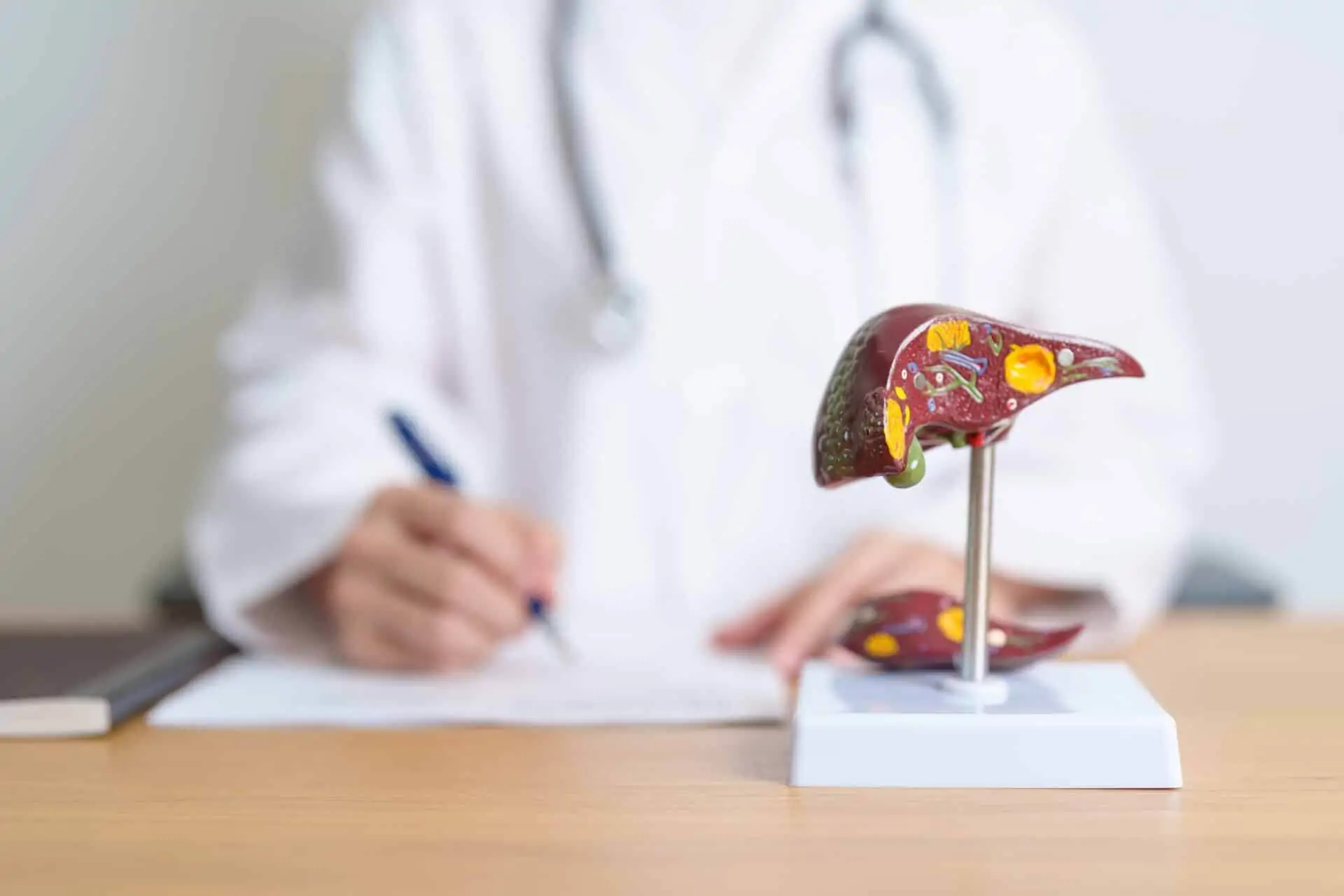
Fatty liver disease is a prevalent condition that affects a substantial number of individuals, including veterans. There are two main types of fatty liver disease—non-alcoholic fatty liver disease (NAFLD) and alcoholic fatty liver disease—Fatty liver disease and veterans disability is a connection that must not be overlooked.

Table of Contents
Non-Alcoholic Fatty Liver Disease (NAFLD)
Non-alcoholic fatty liver disease is a condition frequently encountered, especially in individuals who are overweight or have a higher body mass index (BMI). Often, veterans find themselves service-connected for obesity as an intermediate step, leading to the development of NAFLD. Conditions such as orthopedic issues, mental health conditions, or diabetes can contribute to weight gain, creating a pathway for the manifestation of NAFLD.
Veterans with a service-connected disability for diabetes may find valuable information in literature such as “Non-Alcoholic Fatty Liver Disease and Type 2 Diabetes” published in 2018 in the Indian Journal of Endocrinology and Metabolism. This article sheds light on the correlation between diabetes and NAFLD, providing a foundation for establishing a secondary service connection.
Alcoholic Fatty Liver Disease
On the other hand, alcoholic fatty liver disease is closely tied to heavy alcohol use. Veterans who have a service-connected disability for post-traumatic stress disorder (PTSD) with alcohol use disorder may be at a higher risk of developing alcoholic fatty liver disease due to overconsumption of alcohol. Recognizing the relationship between mental health conditions, substance abuse disorder, and liver impairment is crucial for veterans seeking disability benefits.
Research articles like “Diagnosis and Management of Non-Alcoholic Fatty Liver Disease” published in Hepatology in 2017, can serve as valuable resources when discussing the interplay between mental health conditions and alcoholic fatty liver disease in a VA disability claim.
Service Connection for Fatty Liver Disease
When pursuing a VA disability claim related to fatty liver disease, three key elements must be established:
- Current Diagnosis: Ensure that your medical records include a current diagnosis of fatty liver disease, preferably by a qualified healthcare professional.
- In-Service Event, Injury, or Illness: Demonstrate a connection between your fatty liver disease and events, injuries, or illnesses that occurred during your military service. This may involve proving that the condition was diagnosed while on active duty or establishing a secondary connection to another service-connected disability.
- Medical Link or Nexus: Provide medical evidence establishing a link or nexus between your current diagnosis and the in-service event, injury, or illness. At times this may involve expert medical opinion letters or relevant scientific literature. This may also be established simply at your Compensation and Pension exam.
Conclusion
Fatty liver disease is a widespread health concern that can significantly affect veterans, particularly those with service-connected disabilities. Whether non-alcoholic or alcoholic in nature, understanding the intricacies of these conditions and their potential ties to military service is crucial when navigating the VA disability claims process.
By being armed with a current diagnosis, evidence of in-service events, and a strong medical link, veterans can make compelling cases for disability benefits related to fatty liver disease. Furthermore, consulting relevant research articles and literature can enhance the credibility of their claims, providing a comprehensive foundation for their pursuit of Veterans Disability benefits.
Also read: Why it is Important to Keep Headache Logs for Claims
At Prestige Veteran Medical Consulting, a veteran-owned company, we specialize in Independent Medical Opinions (IMOs) known as Nexus letters.
Our purpose is to empower YOU, the veteran, to take charge of your medical evidence and provide you with valuable educational tools and research to guide you on your journey.
Understanding the unique challenges veterans face, our commitment lies in delivering exceptional service and support.
Leveraging an extensive network of licensed independent medical professionals, all well-versed in the medical professional aspects of the VA claims process, we review the necessary medical evidence to incorporate in our reports related to your VA Disability Claim.
Prestige Veteran Medical Consulting is not a law firm, accredited claims agent, or affiliated with the Veterans Administration or Veterans Services Organizations. However, we are happy to discuss your case with your accredited VA legal professional.