

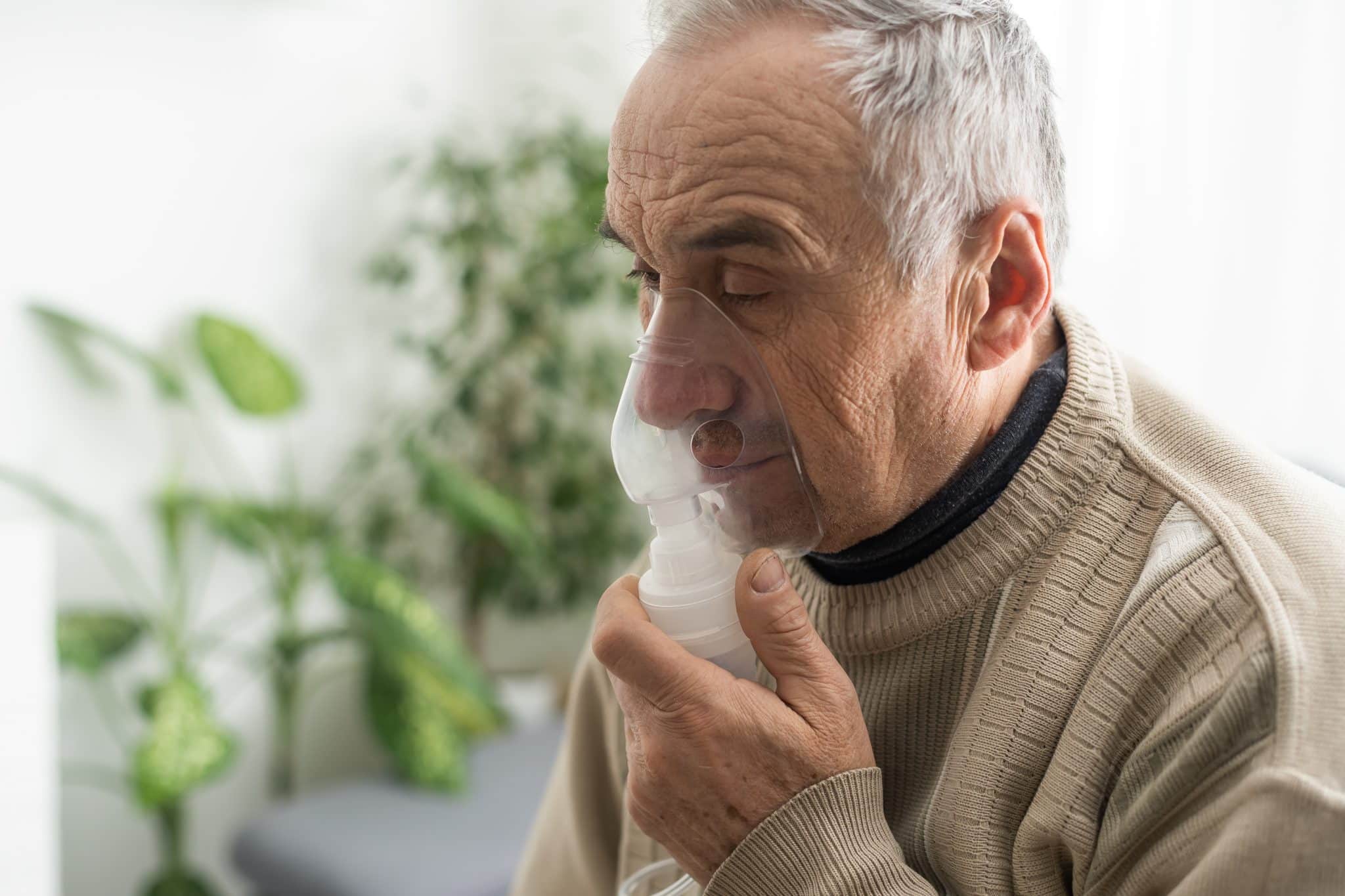
For years, many service members were told that burn pit smoke was simply part of deployment life and not something to worry about long term. But as more research has emerged, that message has become harder to defend. Scientists and medical experts now recognize that exposure to burn pits involved far more than ordinary smoke. Veterans were often breathing in a dangerous mix of toxic chemicals, fine particulate matter, and combustion byproducts for months at a time.
Today, growing evidence links prolonged exposure to serious respiratory problems and other chronic health conditions. While researchers are still studying the full long-term impact, the conversation around Burn Pit Exposure in Veterans has changed dramatically over the last decade.

Table of Contents
What Were Burn Pits?
Burn pits were large open-air areas used by the military to dispose of waste during deployments, especially in places like Iraq and Afghanistan. These pits became common during military operations where modern waste disposal systems were unavailable or impractical.
The problem was not just that trash was being burned. It was the type of material being burned and the conditions under which it was burned.
Waste placed into burn pits often included:
- Plastics
- Rubber
- Paint
- Solvents
- Metals
- Medical waste
- Human waste
- Munitions-related materials
- Electronics
- General trash
In many cases, jet fuel was used to ignite and sustain the fires. Because these materials were burned in open-air environments at uncontrolled temperatures, the combustion process was incomplete. That incomplete burning created a hazardous cloud filled with toxic substances.
This is why Burn Pit Exposure in Veterans became such a major health concern. Troops working or sleeping near these pits could inhale dangerous airborne particles day after day for extended periods.
What Veterans Were Actually Breathing
One of the biggest misconceptions about burn pits was the idea that troops were simply exposed to “smoke.” In reality, the smoke contained a complicated mixture of harmful substances.
Researchers and environmental health experts identified several dangerous components commonly associated with burn pit emissions, including:
- Fine particulate matter
- Volatile organic compounds (VOCs)
- Hydrocarbons
- Dioxins
- Toxic combustion byproducts
- Airborne irritants
Fine particulate matter is especially concerning because the particles are extremely small. These microscopic particles can travel deep into the lungs and trigger inflammation throughout the respiratory system.
The concern surrounding Burn Pit Exposure in Veterans was always about three major factors:
- What chemicals were present in the smoke
- How much smoke veterans inhaled
- How long and how closely they were exposed
Service members stationed near burn pits often dealt with smoke continuously during deployments, making repeated exposure unavoidable.
Why the Respiratory System Is Most Affected
The respiratory system remains the area with the strongest scientific evidence regarding long-term harm.
This makes biological sense because inhaled pollutants first contact the:
- Eyes
- Nose
- Throat
- Airways
- Lungs
Many veterans reported symptoms during deployment such as:
- Burning eyes
- Throat irritation
- Persistent coughing
- Breathing difficulties
- Wheezing
- Skin irritation
For some individuals, these symptoms disappeared after returning home. For others, the problems continued long after deployment ended.
Researchers studying Burn Pit Exposure in Veterans have found growing evidence connecting exposure to chronic respiratory illnesses, including:
- Asthma
- Chronic bronchitis
- Chronic airway inflammation
- Reduced lung function
- Exercise intolerance
- Recurrent respiratory infections
Some veterans describe a noticeable and permanent change in breathing after deployment. They report chronic coughing, shortness of breath, or asthma-like symptoms that never fully resolved.
Early Research and Scientific Uncertainty
One reason burn pits became controversial was that earlier research could not provide definitive answers about long-term health effects.
A major report published in 2011 by the National Academies concluded that there was insufficient high-quality exposure data to fully determine the long-term consequences of burn pit exposure in Iraq and Afghanistan.
However, this did not mean burn pits were safe.
Instead, it meant researchers lacked enough reliable data to measure exactly how harmful the exposure was over time. The studies faced several challenges, including:
- Limited exposure measurements
- Inconsistent monitoring
- Multiple environmental hazards during deployment
- Difficulty separating burn pit exposure from other pollutants
This distinction mattered greatly. Many veterans heard statements suggesting there was “no proof” of harm, when the more accurate scientific conclusion was that the data was incomplete.
Military personnel were often exposed to several airborne hazards simultaneously, including:
- Desert dust
- Vehicle exhaust
- Industrial pollution
- Sandstorms
- Fires
- Burn pit smoke
As research methods improved over time, stronger patterns began to emerge.
Newer Research Shows Stronger Links
In recent years, studies have increasingly supported concerns surrounding Burn Pit Exposure in Veterans.
Research cited by the VA in 2024 found that among veterans deployed to bases in Iraq and Afghanistan, every additional 100 days of burn pit exposure was associated with:
- A 1% increased risk of asthma
- A 4% increased risk of COPD
- A 5% increased risk of ischemic stroke
- Elevated risk of high blood pressure
These findings do not prove that burn pits caused every illness in every veteran. However, they do show measurable associations between prolonged exposure and increased health risks across large veteran populations.
The scientific discussion has evolved significantly. Experts are no longer debating whether harm is biologically plausible. Instead, researchers are now focused on:
- Which diseases have the strongest evidence
- How exposure intensity changes risk
- Which veterans are most vulnerable
- How to identify conditions earlier
Burn Pit Exposure in Veterans and Long-Term Health Risks
Chronic Respiratory Disease
The strongest evidence continues to involve chronic respiratory illness. Veterans exposed to burn pits appear to face higher risks for:
- Chronic bronchitis
- Asthma
- Airway disease
- Persistent breathing problems
These conditions may worsen over time, especially when combined with aging or additional environmental exposures.
Cardiovascular Concerns
Scientists are also studying the relationship between burn pit exposure and cardiovascular disease.
Particulate pollution can affect more than the lungs. Emerging evidence suggests links between exposure and conditions such as:
- Hypertension
- Ischemic stroke
- Cardiovascular inflammation
Although research continues, these findings suggest the health effects may extend throughout the body.
Cancer Risks
Cancer remains one of the most discussed and emotionally charged topics related to burn pits.
The smoke generated by burn pits contained substances known to include carcinogenic compounds. However, proving direct cancer causation in individuals is scientifically complicated because:
- Cancer often develops years later
- Veterans experienced multiple exposures
- Lifestyle and genetic factors also play roles
- Long latency periods make research difficult
Even so, growing concern over toxic exposure helped shape new healthcare policies and benefits for veterans.
Why Exposure Levels Matter
Not every deployed veteran experienced the same level of risk.
The severity of exposure often depended on several important factors, including:
- Distance from the burn pit
- Length of deployment
- Number of deployments
- Frequency of exposure
- Work duties near the pits
- Presence of other pollutants
For example, a service member sleeping close to a burn pit for months may have experienced significantly heavier exposure than someone occasionally passing through the area.
Scientists often describe exposure risk as dose-related. In general:
- Longer exposure increases concern
- Closer proximity increases concern
- More intense smoke exposure increases concern
That is why two veterans may both report exposure while having very different medical risk profiles.
The PACT Act and Veteran Health Policy
Concerns surrounding Burn Pit Exposure in Veterans eventually became a major issue in veteran healthcare policy.
One of the most important developments was the passage of the PACT Act. The law expanded healthcare access and benefits for veterans exposed to toxic substances during military service.
The VA also created the Airborne Hazards and Open Burn Pit Registry to:
- Improve research
- Track health outcomes
- Better understand exposure patterns
- Support affected veterans
These policy changes reflected growing recognition that toxic exposure during deployment deserved serious medical attention.
Why Veterans Should Take Symptoms Seriously
Many veterans ignored symptoms for years because earlier science appeared uncertain. Some assumed chronic coughing or breathing problems were simply something they had to live with after deployment.
But the evidence base today is far stronger than it was a decade ago.
Veterans experiencing persistent symptoms after deployment should take those symptoms seriously, especially if they involve:
- Chronic cough
- Wheezing
- Asthma
- Shortness of breath
- Chest tightness
- Recurrent respiratory illness
- Reduced exercise tolerance
Medical history matters. Deployment exposure history matters. And ongoing symptoms should not be dismissed simply because earlier research lacked complete answers.
Final Thoughts
Burn pits were never just a minor nuisance or ordinary smoke exposure. They represented a complex toxic environment involving combustion chemicals, airborne particulate matter, and prolonged inhalation in already harsh deployment conditions.
The science surrounding Burn Pit Exposure in Veterans continues to evolve, but the evidence now more clearly supports concern about long-term health effects, particularly involving the respiratory system. Research is also expanding into cardiovascular disease, vascular problems, and other chronic conditions.
Not every veteran experienced the same level of exposure, and not every exposed individual will develop serious illness. Still, the growing body of evidence shows that these exposures were significant and deserve careful medical attention.
For veterans dealing with ongoing respiratory symptoms or unexplained health problems after deployment, acknowledging and documenting that exposure history could be extremely important for both healthcare and benefits.
Also Read: Why Veterans Feel Sick Even When Tests Are Normal
At Prestige Veteran Medical Consulting, a veteran-owned company, we specialize in Independent Medical Opinions (IMOs) known as Nexus letters.
Our purpose is to empower YOU, the veteran, to take charge of your medical evidence and provide you with valuable educational tools and research to guide you on your journey.
Understanding the unique challenges veterans face, our commitment lies in delivering exceptional service and support.
Leveraging an extensive network of licensed independent medical professionals, all well-versed in the medical professional aspects of the VA claims process, we review the necessary medical evidence to incorporate in our reports related to your VA Disability Claim.
Prestige Veteran Medical Consulting is not a law firm, accredited claims agent, or affiliated with the Veterans Administration or Veterans Services Organizations. However, we are happy to discuss your case with your accredited VA legal professional.