
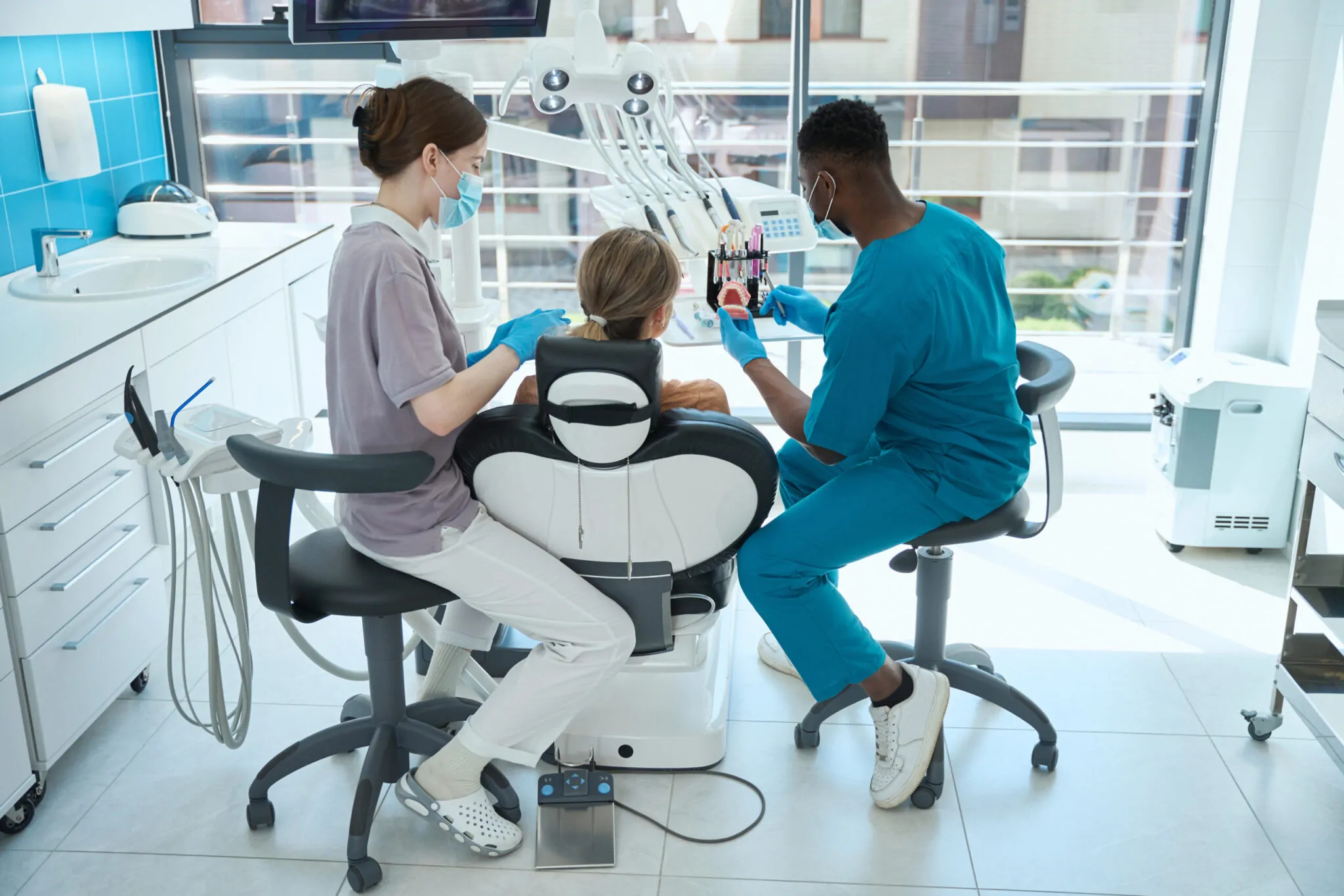
Veterans in the United States have access to a wide range of healthcare services through the Department of Veterans Affairs (VA), including VA dental care benefits. However, unlike general health services, VA dental care eligibility is more selective and depends on a variety of factors, such as the veteran’s service history, current health status, and living situation. Leah Bucholz breaks down who qualifies for VA dental care benefits, the different classifications for eligibility, and how veterans can apply for these benefits.

Table of Contents
Understanding VA Dental Care Benefits Eligibility
VA dental care benefits are designed to support veterans who qualify based on specific criteria. These criteria often relate to a veteran’s service-connected disabilities, overall health, or other situational factors, such as being a former prisoner of war (POW) or being enrolled in specific VA programs.
Factors Determining Eligibility
The eligibility for VA dental care is not uniform and depends on several key factors, including:
- Service-Connected Disabilities: Veterans who have dental conditions directly related to their service may be eligible for full dental care.
- Overall Disability Rating: Veterans with a disability rating of 100% or those receiving compensation due to unemployability may qualify for comprehensive dental care.
- Living Situation: Veterans who are in inpatient care, enrolled in certain VA rehabilitation programs, or part of specific initiatives, such as the Homeless Veterans Dental Program, may also be eligible for dental care.
Based on these factors, VA places veterans into specific dental classifications, which determine the extent of dental care they can receive.
VA Dental Care Classifications
The VA uses a classification system to organize dental care benefits, and veterans are placed into these classes based on their individual circumstances. So let’s explore the key classifications and the corresponding benefits:
Class 1: Service-Connected Dental Disability
Veterans who have a service-connected dental disability or condition for which they are receiving compensation are classified as Class 1. These veterans qualify for any needed dental care, including routine check-ups, emergency care, and more extensive procedures. Common service-connected dental conditions include:
- TMJ (Temporomandibular Joint Disorder)
- Bruxism (Teeth Grinding)
- Injuries sustained to the jaw or teeth during service
- Oral cancer related to service
This classification ensures that veterans with recognized dental disabilities related to their service receive comprehensive care.
Class 2: Veterans with Persian Gulf War Service
Veterans who served on active duty for 90 days or more during the Persian Gulf War era may qualify for one-time dental care under Class 2. To be eligible for this benefit, the following must be true:
- The veteran must have been discharged under conditions other than dishonorable.
- The veteran must apply for dental care within 180 days of discharge or release.
- The veteran’s service record (DD214) must show that a complete dental examination and all needed dental treatment were not provided before discharge.
This one-time benefit is aimed at ensuring that veterans receive a dental check-up and necessary care immediately following their service, but it is limited in scope.
Class 3: Dental Condition Aggravating a Service-Connected Health Condition
Veterans classified as Class 3 have a dental condition that a VA dental provider has determined is aggravating a service-connected health condition. In these cases, the VA will provide dental care to treat the oral condition in question. This could involve treating issues like gum disease or tooth infections that may exacerbate other service-connected health conditions.
Class 4: 100% Disabled Veterans or Unemployable Veterans
Veterans who have a service-connected disability rated at 100%, or who are deemed unemployable due to service-connected conditions, fall into Class 4. These veterans are eligible for any needed dental care. However, if the 100% rating is temporary (e.g., due to a temporary condition like knee replacement), they may not be eligible for this benefit once the rating is reduced.
Class 5: Participants in VA Vocational Rehabilitation (Chapter 31)
Veterans enrolled in the VA’s Vocational Rehabilitation and Employment Program (Chapter 31) are classified as Class 5. These veterans can receive dental care that helps them achieve the goals of their rehabilitation plan, which may include:
- Completing vocational rehabilitation.
- Enabling the veteran to re-enter their employment program after a break due to a dental or health condition.
- Supporting the veteran in adjusting to a job or living independently.
The goal of this classification is to ensure that dental issues do not hinder veterans’ ability to complete their vocational training and secure employment.
Class 6: Inpatients in VA Care
Veterans who are receiving inpatient care in a VA hospital, nursing home, or another supervised care facility are classified as Class 6. Additionally, these veterans may qualify for dental care if a VA provider determines that their dental condition is complicating the treatment of their primary health condition.
Class 7: Homeless Veterans Dental Program
The Homeless Veterans Dental Program is designed to assist homeless veterans in obtaining the dental care they need to improve their quality of life. Veterans enrolled in this program are eligible for a one-time course of dental care aimed at achieving the following goals:
- Relieving dental pain.
- Helping the veteran secure employment.
- Treating moderate to severe gum disease and other complicated dental issues.
This program emphasizes the importance of dental health in helping homeless veterans reintegrate into society.
Applying for VA Dental Care
Veterans who believe they may qualify for VA dental care benefits should contact their nearest VA medical center or clinic. Most VA facilities have a dental liaison who can help veterans understand their eligibility, guide them through the application process, and assist with enrollment in VA dental care programs.
Veterans can also visit the VA’s website, which provides comprehensive resources and up-to-date information on dental care eligibility and benefits. The VA’s website offers a helpful Dental Benefits Eligibility Tool, which allows veterans to explore their eligibility based on their service history and personal situation.
Accessing VA Dental Clinics
The VA operates over 200 dental clinics across the United States, including facilities in Alaska and Puerto Rico. Veterans can use the VA’s Dental Clinic Locator Tool on the VA website to find the nearest facility where they can receive care.
VA Dental Insurance Program (VADIP)
For veterans who do not qualify for VA dental care benefits, there is still an option to purchase dental insurance at a reduced cost through the VA Dental Insurance Program (VADIP). To qualify for VADIP, at least one of the following must be true:
- The veteran is enrolled in VA healthcare.
- The veteran is enrolled in the Civilian Health and Medical Program of the Department of Veterans Affairs (CHAMPVA).
VADIP offers veterans access to dental insurance plans that can cover routine care, major dental work, and more, depending on the plan selected.
Conclusion
VA dental care benefits are a valuable resource for veterans, but eligibility depends on a variety of factors, including service-connected disabilities, overall health, and participation in specific VA programs. By understanding the VA’s dental classification system and exploring available resources, veterans can ensure they receive the dental care they need to maintain their overall health and well-being.
In fact, If you are a veteran and unsure about your eligibility for VA dental care, it is always a good idea to contact your local VA clinic or use the VA’s online tools to explore your options. Dental health is a critical part of overall health, and the VA offers multiple avenues to support veterans in maintaining healthy smiles.
Also read: DIC Benefits Explained: VA Benefits for Surviving Disabled Vets
At Prestige Veteran Medical Consulting, a veteran-owned company, we specialize in Independent Medical Opinions (IMOs) known as Nexus letters.
Our purpose is to empower YOU, the veteran, to take charge of your medical evidence and provide you with valuable educational tools and research to guide you on your journey.
Understanding the unique challenges veterans face, our commitment lies in delivering exceptional service and support.
Leveraging an extensive network of licensed independent medical professionals, all well-versed in the medical professional aspects of the VA claims process, we review the necessary medical evidence to incorporate in our reports related to your VA Disability Claim.
Prestige Veteran Medical Consulting is not a law firm, accredited claims agent, or affiliated with the Veterans Administration or Veterans Services Organizations. However, we are happy to discuss your case with your accredited VA legal professional.