

5 Nexus Letter Mistakes That Get VA Claims Denied

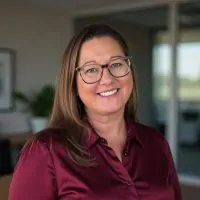
Picture of Leah Bucholz

Leah Bucholz

Leah Bucholz, PA-C, is a Board-Certified Physician Assistant, U.S. Army combat veteran, and nationally recognized medical expert in veterans’ disability claims. A former VA Compensation & Pension examiner, she founded Prestige Veteran Medical Consulting to provide independent, regulation-based medical opinions (“nexus” letters) grounded in the VA’s Schedule for Rating Disabilities (38 CFR). Leah’s work is frequently cited in favorable Board of Veterans’ Appeals decisions, and her content draws directly from authoritative sources such as VA.gov, the eCFR, and the Federal Register.
5 Nexus Letter Mistakes That Get VA Claims Denied

At Prestige Veteran Medical Consulting, our blogs are written and reviewed by licensed medical professionals or military veterans with direct experience in the VA claims process. Our team has served as healthcare providers, combat veterans, and former VA examiners — giving us unique insight into both the medical and regulatory side of benefits. Every article is designed to provide accurate, trustworthy, and practical guidance so that veterans and their families can make informed decisions with confidence.

Filing a VA disability claim can feel like doing everything right and still getting denied. You have a diagnosis, you have your service history, and maybe you even paid for a professional opinion. Then the decision comes back and says there is no nexus. It is frustrating and confusing.

The truth is that not all medical opinions are created equally. After reviewing thousands of Nexus letters and medical opinions, certain patterns appear again and again. Many denials are not random. They trace back to predictable weaknesses in how the medical reasoning is presented.

Leah breaks down the most common Nexus Letter mistakes that can weaken an otherwise strong claim and explains how to avoid them.

YouTube video

What Makes a Strong Nexus Letter?

Before diving into the mistakes, it helps to understand what the VA is actually looking for. A strong Nexus letter is not just supportive. It is:

  • Evidence based
  • Rooted in medical reasoning
  • Supported by records
  • Objective in tone
  • Aligned with VA evidentiary standards

It is not enough to say a condition is related to service. The VA wants to understand why.

Nexus Letter mistakes: No Clear Medical Rationale

One of the most common Nexus Letter mistakes is failing to provide a clear medical explanation.

A statement like “it is at least as likely as not that the condition is related to service” sounds official, but on its own it is often not enough. The VA does not grant claims based on conclusions alone. It grants them based on reasoning.

For example, imagine a veteran with lumbar degenerative disc disease after years of airborne jumps. A weak opinion might say:

  • The veteran completed many jumps
  • Therefore, the back condition is related

That is a conclusion, not a rationale.

A strong opinion would go deeper and explain:

  • The impact of repeated axial loading on the spine
  • How micro trauma accumulates over time
  • Why imaging findings match that mechanism

This connection between medical science and service history is what gives the opinion weight. Without it, the letter may be seen as superficial.

Ignoring Alternative Risk Factors

Another critical issue among Nexus Letter mistakes is ignoring other possible causes or risk factors.

This can quickly damage credibility. A strong medical opinion does not pretend other factors do not exist. Instead, it acknowledges them and explains why service connection still applies.

Take sleep apnea as an example. If a veteran develops it later in life and also has:

  • Obesity
  • Hypertension
  • Family history

A weak letter might simply claim it is due to a service connected condition without addressing those factors.

A strong letter would say:

  • These risk factors are present
  • They are known contributors
  • However, the service connected condition either caused or worsened the condition beyond normal progression

Addressing competing factors shows that the clinician considered the full picture. Ignoring them makes the opinion look incomplete or biased.

No Documented Record Review

One of the most overlooked Nexus Letter mistakes is failing to show that medical records were reviewed.

If a letter relies only on the veteran’s personal report, it carries less weight. The VA wants to see that the clinician reviewed relevant documentation.

Important records may include:

  • Service treatment records
  • Post service medical history
  • Timeline of symptoms
  • Prior diagnoses and treatments

For example, if a veteran claims migraines since service but the letter does not reference any records, the VA may favor another opinion that does.

A strong Nexus letter will clearly reflect:

  • What records were reviewed
  • How those records support the conclusion
  • Consistency of symptoms over time

Documentation strengthens credibility. Without it, even a supportive opinion can be discounted.

Overstated Certainty or Emotional Language

This is one of the more surprising Nexus Letter mistakes because it often comes from a good intention.

Some letters try to sound more convincing by using strong or emotional language like:

  • “There is absolutely no doubt”
  • “This proves beyond question”
  • Criticism of the VA decision

While this may feel supportive, it can actually backfire.

Medical opinions are not advocacy letters. They are not arguments. They are structured, professional assessments based on evidence.

The VA standard is “at least as likely as not,” meaning a 50 percent probability or greater. Most medical conditions are complex and influenced by multiple factors. Claiming absolute certainty can make the opinion appear biased rather than objective.

A more effective approach is:

  • Use probability based language
  • Stay neutral and professional
  • Focus on medical reasoning rather than emotion

Professional tone builds trust. Emotional language can reduce credibility.

Confusing Causation and Aggravation

Among all Nexus Letter mistakes, this is one of the most misunderstood.

Causation and aggravation are not the same thing.

  • Causation means one condition directly caused another
  • Aggravation means one condition worsened another beyond its natural progression

Many claims fail because this distinction is not clearly explained.

For example, a veteran with a service connected knee condition later develops hip arthritis. It may be difficult to prove the knee caused the arthritis. However, it may be possible to show that:

  • Altered gait mechanics increased stress on the hip
  • This accelerated degeneration beyond normal aging

A strong letter should clearly explain:

  • The baseline condition
  • Evidence of worsening
  • Why the worsening exceeds natural progression

Without this clarity, the VA may not fully consider the connection.

Not Every Denial Is About the Nexus Letter

It is important to understand that not all denials are caused by these Nexus Letter mistakes.

VA claims are complex and involve multiple factors, including:

  • Service records
  • Medical opinions
  • Compensation and pension exams
  • Lay statements
  • Applicable regulations

Sometimes the medical opinion is strong, but the issue lies in how the evidence was interpreted or weighed.

For example:

  • A favorable opinion may not be fully addressed
  • The rationale may be misunderstood
  • Aggravation may not be evaluated separately
  • Conflicting opinions may not be properly compared

In these situations, accredited representatives such as VSOs, claims agents, or VA accredited attorneys play a critical role. They can evaluate whether the VA provided adequate reasoning and challenge the decision if needed.

Final Thoughts on Nexus Letter mistakes

When a claim is denied for lack of a nexus, it does not automatically mean there is no connection. Often, it means the connection was not clearly demonstrated in a way the VA requires.

Understanding common Nexus Letter mistakes can make a significant difference in the strength of your claim.

A well written Nexus letter should:

  • Clearly explain the medical reasoning
  • Address all relevant risk factors
  • Be supported by documented records
  • Maintain a professional and objective tone
  • Distinguish between causation and aggravation

It is not just a supportive statement. It is a structured medical argument grounded in evidence.

If your claim has been denied, reviewing the Nexus letter with these points in mind may help you identify what went wrong and what can be improved moving forward.

Also Read: Why Veterans Are Always Tired (Chronic Fatigue Explained)

At Prestige Veteran Medical Consulting, a veteran-owned company, we specialize in Independent Medical Opinions (IMOs) known as Nexus letters.

Our purpose is to empower YOU, the veteran, to take charge of your medical evidence and provide you with valuable educational tools and research to guide you on your journey.

Understanding the unique challenges veterans face, our commitment lies in delivering exceptional service and support.

Leveraging an extensive network of licensed independent medical professionals, all well-versed in the medical professional aspects of the VA claims process, we review the necessary medical evidence to incorporate in our reports related to your VA Disability Claim.

Prestige Veteran Medical Consulting is not a law firm, accredited claims agent, or affiliated with the Veterans Administration or Veterans Services Organizations. However, we are happy to discuss your case with your accredited VA legal professional.
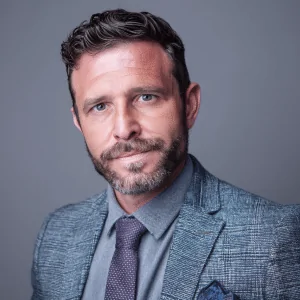

Picture of Alan Bucholz, PA-C

Alan Bucholz, PA-C

Board-Certified Physician Assistant | U.S. Army Combat Veteran | Co-founder & CFO, Prestige Veteran Medical Consulting

This article was medically reviewed and fact checked by Alan Bucholz, PA-C, a board-certified Physician Assistant and retired U.S. Army combat veteran with experience in emergency medicine and two combat deployments (Iraq & Afghanistan). As Co-founder of Prestige Veteran Medical Consulting, Alan provides evidence-based medical opinions to support veterans’ VA disability claims with accuracy, compliance, and ethics.

Leave a Reply

Your email address will not be published. Required fields are marked *

You might also enjoy

nexus letter vs medical opinion vs IMO in VA disability
Nexus Letter vs Medical Opinion vs IMO: Are They the Same?

When filing a VA disability claim, veterans may hear terms like “nexus letter,” “medical opinion,” or “independent medical opinion (IMO)” and assume they mean the same thing. While these terms are often used interchangeably, they can refer to different types of medical evidence within the VA claims process. Understanding how these opinions are used can help veterans better organize and present their medical evidence.

nexus letter for VA disability claim
How a Nexus Letter Can Help Win Your VA Disability Claim

For many veterans, proving that a current medical condition is connected to military service can be one of the most difficult parts of a VA disability claim. Even when symptoms clearly stem from service, the VA requires strong medical evidence to recognize service connection. A nexus letter is a medical document written by a qualified medical professional that helps bridge gaps in the evidence.

Screenshot

Brianna Mayle

Clinical Case Review Coordinator

Brianna serves as a Clinical Case Review Coordinator, supporting the integrity and accuracy of the medical case review process for veterans. In this role, she evaluates case pathways, medical expert correspondence, and documentation alignment to ensure consistency, clarity, and quality across every case.

With more than ten years of experience in healthcare operations, Brianna brings a strong background in documentation review, compliance, and process-driven workflows. She is committed to serving the veteran community and approaches her work with respect, precision, and a deep sense of responsibility. She understands that each case represents a veteran’s story and takes pride in supporting a process grounded in accuracy, fairness, and trust.

She holds a Bachelor of Science in Healthcare Administration and remains focused on continued growth while contributing to meaningful, mission-driven work in support of those who have served.
 
Profile_Pic

Latifah “Jo” Johnson

Junior Client Relations Specialist

Latifah “Jo” Johnson is a seasoned customer service professional with more than 15 years of experience dedicated to delivering exceptional client support and building trusted relationships. Known for her professionalism, empathy, and strong communication skills, Jo has built a career centered on service, advocacy, and meaningful human connection.

Currently serving as a Junior Customer Relations Specialist at Prestige Veteran Medical Consulting, Jo is committed to supporting veterans as they navigate the medical consulting process. She understands that each veteran’s journey is unique and often complex, and she approaches every interaction with patience, respect, and compassion. Her role allows her to combine her extensive customer service background with her passion for helping those who have served our country.

Jo is recognized for her ability to listen attentively, resolve concerns efficiently, and ensure veterans feel informed and supported every step of the way. Guided by integrity and a genuine desire to make a difference, she remains dedicated to advocating for veterans and delivering service that reflects gratitude for their sacrifice and commitment.

Sarah

Sarah

Customer Relations Specialist

Sarah is a Customer Relations Specialist at Prestige Veteran Medical Consulting who is passionate about creating a smooth, respectful, and Veteran-first experience. She brings a diverse background in financial services, municipal public service, and emergency medical response, giving her a unique blend of professionalism, attention to detail, and genuine compassion.

Known for her clear communication and strong problem-solving skills, Sarah takes the time to explain each step of the process in a way that helps Veterans feel comfortable, informed, and confident about what comes next. With close personal ties to the military community, her husband and his family are Veterans, along with several of her cousins, she deeply values the sacrifices made by those who have served.

Sarah is proud to support Veterans with care, consistency, and respect, and is dedicated to making sure every Veteran feels heard, supported, and well cared for from the very first conversation to the final step.

Dyani Robinson

Customer Relations Department Manager

Dyani Robinson serves as the Customer Relations Department Manager at Prestige Veteran Medical Consulting, bringing her U.S. Air Force experience, discipline, and deep-rooted commitment to the veteran community into every aspect of her leadership. As a disabled veteran, Dyani understands the importance of being heard, respected, and supported — and she carries that understanding into the way she leads her department and interacts with every client.

Dyani served in the Logistics Readiness Squadron (LRS) in Mobility, supporting Airmen preparing for deployment during Operations Enduring Freedom and Iraqi Freedom. That experience strengthened her ability to lead with structure, urgency, and care — ensuring people feel prepared, supported, and confident during high-stakes moments.

Dyani’s professional background spans veteran services, federal programs, client advocacy, and high-volume case management across healthcare, education, and government sectors. She is known for her steady professionalism, exceptional communication skills, and ability to bring clarity and reassurance to complex situations. Her work supporting military families and diverse veteran populations has shaped her into a leader who is both mission-driven and deeply empathetic.

In her role as Customer Relations Department Manager, Dyani is responsible for setting the standard for communication excellence, operational consistency, and the overall client experience. She leads with a veteran-first mindset — ensuring every interaction is handled with integrity, accuracy, and respect. Dyani takes pride in fostering a department culture where service, accountability, and attention to detail are at the forefront.

For Dyani, this role is more than management — it is a continuation of her service. She is dedicated to creating an environment where veterans feel valued, supported, and confident throughout their experience with Prestige. Her leadership reflects both the strength of her military foundation and her genuine passion for serving those who have served.

 
2024 VA Disability Rates

Danielle McClaskey

Client Relations Specialist U.S. Navy Veteran

In her active-duty service in the United States Navy, Danielle undertook a variety of responsibilities, ranging from essential administrative duties to providing crucial medical care. Her multifaceted contributions played a pivotal role in enhancing her fellow service members’ operational effectiveness and well-being.

As a disabled veteran, she developed a profound understanding of the unique challenges faced by her fellow service members. Now, in her civilian role, Danielle is a valued member of the Prestige Veteran Medical Consulting team, where she continues to leverage her extensive background and educational achievements to provide exceptional support to veterans.

Leticia

LETICIA

ADMINISTRATIVE ASSISTANT

Leticia has been in the medical field for nearly 14 years. She has always had a passion for medicine and caring for her community. Leticia has spent the last 4 years caring for veterans and first responders with alcohol and substance abuse in a medical rehabilitation setting whilst continuing her education working towards a degree in software development.

Someday she hopes to develop medical software that further enhances the patient’s experience in medical care. Leticia has a deep respect and love for those who have served as she comes from a family of law enforcement and military veterans.

alan bucholz

ALAN BUCHOLZ, PA-C:

U.S ARMY VETERAN, CHIEF FINANCIAL OFFICER

Alan enlisted in the US Army as a combat medic, where he deployed in support of Operation Iraqi Freedom.
Influenced by his time as a combat medic, he attended the Interservice Physician Assistant program while on
active duty, was commissioned as an officer, and subsequently deployed to Afghanistan.  

Alan’s military and medical background inspired him to form Prestige Veteran Medical Consulting with his
wife, Leah Bucholz, a Physician Assistant and Army Combat Veteran.  He has devoted himself to using his
knowledge gained in the military as a medical professional to serve the Veteran community.

Alan Bucholz

ALAN BUCHOLZ, PA-C:

U.S ARMY VETERAN, CHIEF FINANCIAL OFFICER

Alan enlisted in the US Army as a combat medic, where he deployed in support of Operation Iraqi Freedom.
Influenced by his time as a combat medic, he attended the Interservice Physician Assistant program while on
active duty, was commissioned as an officer, and subsequently deployed to Afghanistan.  

Alan’s military and medical background inspired him to form Prestige Veteran Medical Consulting with his
wife, Leah Bucholz, a Physician Assistant and Army Combat Veteran.  He has devoted himself to using his
knowledge gained in the military as a medical professional to serve the Veteran community.

Julie Pereira

JULIE PEREIRA:

ADMINISTRATIVE ASSISTANT

During her Active-Duty time in the US Navy as a Hospital Corpsman, Julie provided medical administration
and patient care services in the field, the hospital, and base medical office settings.  This military medical and
administrative background has given Julie the hands-on experience and extensive knowledge necessary to
provide unparalleled service to her fellow Veterans through the Prestige Veteran Medical Consulting team.

Julie’s educational achievements include a Bachelor of Arts with a minor in Human Services and a pre-nursing associate in arts and science.

Julie has been inspired by her firsthand knowledge of navigating the VA Benefits process. She has dedicated
most of her adult life to serving Veterans through her knowledge derived from her military and civilian medical
education and training.

Jennifer Januta

JENNIFER JANUTA

U.S ARMY VETERAN, CHIEF OPERATIONS OFFICER

During her Active-Duty service in the Army, Jennifer supported various research efforts centered on combat casualty care and Soldier performance. Her military background gave her unique insights into veterans’ distinct challenges, ultimately inspiring her to join the Prestige Veteran Medical Consulting team.

Jennifer’s educational achievements include a master’s in molecular biology from George Washington University and a master’s in data science from Texas Tech University. Jennifer wholeheartedly dedicates herself to utilizing her knowledge and expertise gained from 15 years of healthcare experience to impact the well-being of those who have served positively.

alan bucholz

ALAN BUCHOLZ, PA-C:

U.S ARMY VETERAN, CHIEF FINANCIAL OFFICER

Alan enlisted in the US Army as a combat medic, where he deployed in support of Operation Iraqi Freedom.
Influenced by his time as a combat medic, he attended the Interservice Physician Assistant program while on
active duty, was commissioned as an officer, and subsequently deployed to Afghanistan.  

Alan’s military and medical background inspired him to form Prestige Veteran Medical Consulting with his
wife, Leah Bucholz, a Physician Assistant and Army Combat Veteran.  He has devoted himself to using his
knowledge gained in the military as a medical professional to serve the Veteran community.

Leah - Meet the Team

LEAH BUCHOLZ, PA-C

U.S ARMY VETERAN, MEDICAL EXPERT & FORMER C & P EXAMINER

Meet Leah, the founder, and leader of our organization. ​​A combat veteran herself, she understands the unique challenges veterans face, making her mission about much more than running a successful business. It’s about the opportunity to provide a legacy of exceptional service for our heroes.​

​“It is essential to remember that there is no greater honor than caring for service members on the battlefield. Continuing to care for Veterans after separation is an opportunity that I have been afforded to extend that care in this new battlefield related to service-incurred disabilities.”

Her inspiration comes from years of military experience working alongside her fellow servicemembers, particularly key leaders who have influenced her journey, applying their wisdom to her path. She values her team deeply, most of whom are also disabled combat veterans, each member a trusted individual sharing her vision.

 “Driven by passion and purpose, I aim to create a sustainable change that empowers veterans and future generations.”

Leah’s journey hasn’t been without challenges. From overcoming and living with her service-related disabilities to navigating work-life balance, she’s learned to face each hurdle head-on with resilience.  Like many of her veteran brothers and sisters, her early background consisted of limited resources and opportunities. Her military service has helped shape her into a steadfast leader, offering relatable inspiration to others.

Join us in celebrating Leah, a compassionate leader, and resilient veteran, driving our mission to serve those who served our nation.

Prestige Veteran
Privacy Overview

This website uses cookies so that we can provide you with the best user experience possible. Cookie information is stored in your browser and performs functions such as recognising you when you return to our website and helping our team to understand which sections of the website you find most interesting and useful.