

Leah Bucholz addresses a critical issue affecting many veterans—erectile dysfunction—and its intriguing relationship with back pain in the veteran population. There are various aspects of erectile dysfunction and back pain in veterans disability and a connection to service-connected back conditions.
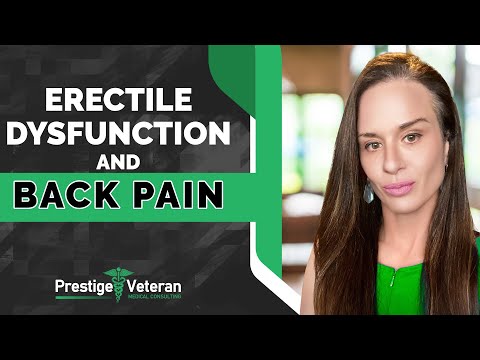
Table of Contents
Understanding Erectile Dysfunction
Erectile dysfunction is a prevalent concern for veterans, often leading to service-connected disabilities. There is an importance of discussing this issue with healthcare providers, as they are familiar with the topic and can provide valuable assistance. ED involves difficulties in achieving or maintaining an erection, and its risk factors include things like heart disease, high cholesterol, high blood pressure, diabetes, multiple sclerosis, urinary disorders, prostate issues, and mental health conditions.
The Impact of Mental Health on Erectile Dysfunction
We need to understand that ED can be multi-factorial and that there is a significant connection between things like mental health conditions and ED. There can also be an overlap between mood disturbances and chronic pain. Veterans with service-connected mental health conditions, anxiety, stress, PTSD, or those taking medications like SSRIs (Zoloft, Sertraline, Celexa, Prozac, Paxol) may experience ED as a side effect. Acknowledging and addressing these mental health factors is crucial for a comprehensive understanding of the issue.
Back Pain as a Contributor to Erectile Dysfunction
The focus shifts to veterans with service-connected back conditions, especially those related to the lumbosacral spine. Even without surgery, spinal injuries, disc herniations, spinal fusions, or other lumbar procedures can lead to ED. Leah refers to research, citing articles like “Erectile Dysfunction in Men with Low Back Pain,” which reveals an increased prevalence of ED in lumbar spine patients, highlighting the impact of sacral and thoracic lumbar area injuries on erectile function.
Another significant study, “Describing a New Syndrome in L5 S1 Disc Herniation,” investigates the relationship between sphincter dysfunction and sexual concerns in patients with lumbar disc herniations. The findings emphasize that sexual dysfunction can occur in patients with lumbar L5 S1 disc disease, challenging preconceived notions.
Medical Opinion Letters and Supporting Evidence
For veterans seeking disability benefits, medical opinion letters may be helpful. While medical opinions often referred to as nexus letters are never required, they can at times help influence the outcome of a claim. These reports can be obtained for little to no cost from a veterans treating provider or an expert company like Prestige Veteran Medical Consulting. Leah recommends researching and presenting articles such as those mentioned to healthcare providers. These studies strengthen the case for a connection between back pain and ED. Addressing the multifactorial nature of medical conditions, including mental health, low testosterone, medications, and lifestyle factors, enhances the credibility of the claim.
Disability Ratings for Erectile Dysfunction
Leah Bucholz briefly touches upon disability ratings, recognizing their importance to veterans. Veterans may be eligible for special monthly compensation (SMC) based on the severity of their condition. Ratings can range from zero percent for erectile dysfunction itself to higher percentages for specific deformities or complications related to service-connected conditions.
Conclusion
Leah Bucholz’s insights provide a comprehensive understanding of the complex relationship between erectile dysfunction and back pain in veterans. By addressing risk factors, mental health connections, and the impact of service-connected back conditions, veterans can navigate the disability claims process more effectively. Armed with knowledge and supporting evidence, veterans can approach healthcare providers and the VA with confidence, ensuring a fair assessment of their situation and potential eligibility for disability benefits.
Also read: Plantar Fasciitis and Veterans Disability
At Prestige Veteran Medical Consulting, a veteran-owned company, we specialize in Independent Medical Opinions (IMOs) known as Nexus letters.
Our purpose is to empower YOU, the veteran, to take charge of your medical evidence and provide you with valuable educational tools and research to guide you on your journey.
Understanding the unique challenges veterans face, our commitment lies in delivering exceptional service and support.
Leveraging an extensive network of licensed independent medical professionals, all well-versed in the medical professional aspects of the VA claims process, we review the necessary medical evidence to incorporate in our reports related to your VA Disability Claim.
Prestige Veteran Medical Consulting is not a law firm, accredited claims agent, or affiliated with the Veterans Administration or Veterans Services Organizations. However, we are happy to discuss your case with your accredited VA legal professional.