
Don’t Ask, Don’t Tell & VA Disability
The “Don’t Ask, Don’t Tell” (DADT) policy was implemented in 1993 under the Clinton administration as a compromise between banning LGBTQ individuals from military service

The “Don’t Ask, Don’t Tell” (DADT) policy was implemented in 1993 under the Clinton administration as a compromise between banning LGBTQ individuals from military service

Veterans seeking disability benefits for breast disorders must undergo a Compensation and Pension (C&P) exam as part of the evaluation process. This exam helps the

The U.S. Department of Veterans Affairs (VA) offers numerous benefits to support veterans with service-connected disabilities. Among these benefits is the Veterans Automobile Allowance, which

Asbestos exposure poses a significant health risk, particularly for veterans who may have encountered this material during their service. Understanding the connection between asbestos exposure,

Conditions veterans commonly claim secondary to back pain, including sleep apnea, radiculopathy, depression, hip and knee problems, GERD, and ED, and the evidence each one needs.
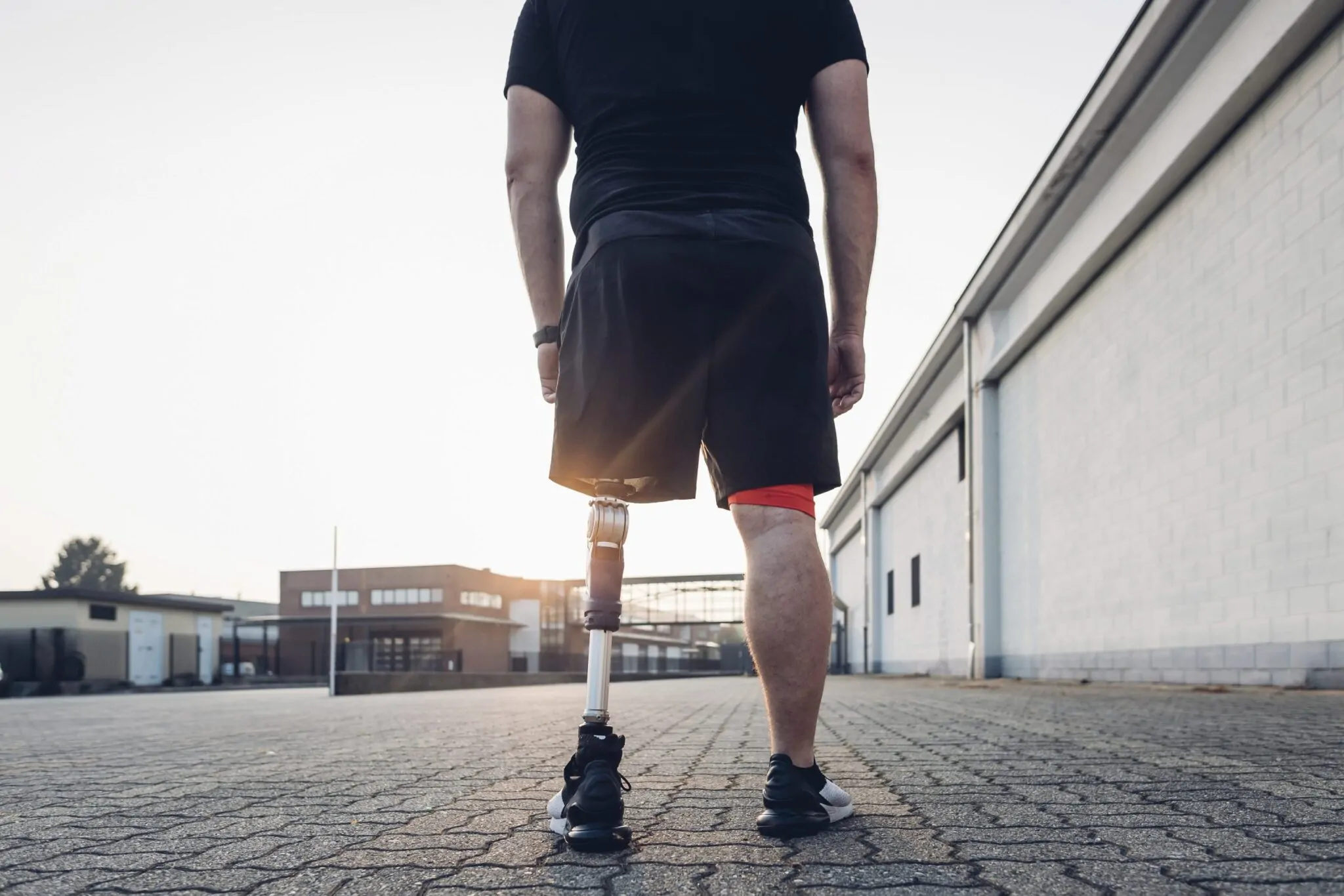
Updated: August 25, 2025. Originally published December 2024. The VA clothing allowance is a vital benefit that helps U.S. veterans finance the hidden costs of living

Raynaud’s disease and Raynaud’s phenomenon or syndrome, can significantly impact veterans, particularly those seeking VA disability benefits. Leah Bucholz explores what Raynaud’s disease and syndrome

Gulf War Illness (GWI) is a complex and challenging issue affecting many veterans who served in Southwest Asia since 1990. It has gained more attention

The medical nexus letter plays an important role in the VA disability claims process. This document links a veteran’s medical condition to their military service,

Ionizing radiation exposure is a significant concern for many veterans. Leah Bucholz will discuss the basics of ionizing radiation, its implications for veterans, and how