

Veteran Service Organizations (VSOs) play a crucial role in assisting veterans, service members, dependents, and survivors with a variety of needs. These organizations often operate as unsung heroes, providing valuable services at no cost to veterans. Despite their significance, many veterans are unaware of VSOs and the support they offer. This article explores the functions of VSOs, their funding, and how veterans can access their services.

Table of Contents
What Are Veteran Service Organizations?
Veteran Service Organizations are groups dedicated to supporting veterans and their families. These organizations may be:
- Congressionally chartered organizations
- Organizations recognized by the Department of Veterans Affairs (VA) to prepare, present, and prosecute claims
- National, state, county, or tribal government organizations
- Regional or local organizations
- Nonprofit organizations
Regardless of their category, VSOs exist to serve and advocate for veterans by helping them access benefits, navigate complex claims, and receive essential resources.
Services and Activities Supported by VSOs
VSOs provide a wide range of services to improve the lives of veterans, including:
Assistance with VA Claims and Appeals
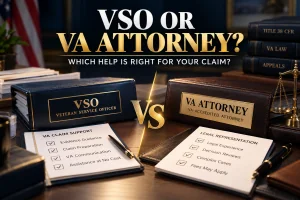
One of the most critical functions of VSOs is helping veterans file claims and appeal decisions regarding their benefits. Many veterans struggle to navigate the VA claims process, and VSOs offer knowledgeable, accredited representatives to assist them.
Job Fairs and Employment Support
Many VSOs organize job fairs and provide employment assistance programs to help veterans transition into civilian careers. They work with employers to create opportunities specifically for veterans and their unique skill sets.
Housing Assistance for Homeless Veterans
Some VSOs focus on addressing veteran homelessness by providing temporary shelters, securing permanent housing, or connecting veterans with financial assistance programs.
Pension and Financial Assistance
Veterans who qualify for pensions or other financial assistance programs can seek help from VSOs to ensure they receive the benefits they are entitled to.
Burial and Survivor Benefits
VSOs also assist with burial arrangements, ensuring that veterans receive the honors they deserve. They help families understand their benefits, such as burial allowances and survivor compensation.
Access to Accredited Representatives
Many VSOs provide access to accredited representatives trained to assist veterans with VA-related matters. These representatives have passed necessary training and exams to help veterans effectively file claims and request decision reviews.
Are VSOs Federal Agencies?
VSOs are not federal agencies. Employees working for VSOs are not federal employees. However, some VSOs are recognized by the VA to help veterans with claims. These organizations may be funded through private donations, state and county support, or federal grants.
Recognized vs. Congressionally Chartered VSOs
Congressionally Chartered VSOs
Some VSOs receive charters from Congress through public law enactment. These organizations have a long-standing history of serving veterans and are widely recognized.
Recognized VSOs
Recognized VSOs meet specific federal regulations and serve veterans by offering accredited representatives. These organizations must demonstrate:
- A primary mission to serve veterans
- A significant organizational membership committed to veterans
- A substantial portion of resources dedicated to veteran services
Not all recognized VSOs provide accredited representatives. Those that do not must clearly inform veterans of their service limitations.
Do VSOs Provide Free Services?
Yes, VSOs offer free services to veterans. Accredited representatives assisting veterans with VA claims and appeals cannot charge fees. This ensures that veterans can access professional help without financial burdens.
How Are VSOs Funded?
VSOs receive funding from multiple sources, including:
- State and county funding
- Private donations
- Federal grants
Some VSOs also engage in fundraising events to support specific veteran needs, such as housing projects for homeless veterans.
How to Find a VSO Near You
Veterans seeking VSO assistance can use the VA’s accreditation tool on va.gov to find recognized VSOs and accredited representatives.
Steps to Find an Accredited Representative:
- Visit va.gov.
- Use the Find a VA Accredited Representative tool.
- Select whether you are looking for:
- Accredited VSO representatives
- Accredited attorneys
- Accredited claims agents
- Enter your state, city, or ZIP code to search within a specific radius.
- Review the results, which include:
- Names of accredited representatives
- Office locations
- Contact details (phone and email)
If a veteran has a negative experience with a particular VSO, they can search for another representative within their area or a neighboring county.
Popular VSOs and Their Impact
Several well-known VSOs provide essential support to veterans. These include:
- American Legion – Advocates for veterans’ rights and offers various programs.
- Disabled American Veterans (DAV) – Focuses on disability benefits and rehabilitation.
- Veterans of Foreign Wars (VFW) – Supports veterans through community programs and advocacy.
- Paralyzed Veterans of America (PVA) – Specializes in helping veterans with mobility impairments.
- Vietnam Veterans of America (VVA) – Addresses the needs of Vietnam War veterans.
Conclusion
Veteran Service Organizations are a crucial resource for veterans, providing assistance with VA claims, employment, housing, and more. Despite the challenges some veterans may face in working with VSOs, these organizations are dedicated to serving those who have served their country. Veterans should explore available VSOs, take advantage of free services, and seek out representatives who best fit their needs.
Also read: Top 3 Veteran Health Issues That Cause GERD
At Prestige Veteran Medical Consulting, a veteran-owned company, we specialize in Independent Medical Opinions (IMOs) known as Nexus letters.
Our purpose is to empower YOU, the veteran, to take charge of your medical evidence and provide you with valuable educational tools and research to guide you on your journey.
Understanding the unique challenges veterans face, our commitment lies in delivering exceptional service and support.
Leveraging an extensive network of licensed independent medical professionals, all well-versed in the medical professional aspects of the VA claims process, we review the necessary medical evidence to incorporate in our reports related to your VA Disability Claim.
Prestige Veteran Medical Consulting is not a law firm, accredited claims agent, or affiliated with the Veterans Administration or Veterans Services Organizations. However, we are happy to discuss your case with your accredited VA legal professional.