veteran guide
Speak with our team

(830) 529-7979

PTSD Nexus Letter for your VA Disability Claims.

Independent medical opinions that evaluate whether the available evidence supports a medical relationship between your PTSD and your military service — prepared by licensed U.S. medical professionals and led by a former VA C&P examiner. Have questions about PTSD Nexus Letters? Our team can explain the record-review process and answer questions about our services.

20,000+

Veterans Helped

700+

Published Reviews

25+

Licensed Medical Experts
Trusted by Veterans and Attorneys Nationwide

Veterans who've been where you are

Hear directly from veterans who worked with Prestige for individualized record review, independent medical documentation, and clear communication throughout the process.
Leah Bucholz, PA-C, founder of Prestige Veteran Medical Consulting

Leah Bucholz, PA-C

Founder · U.S. Army Veteran

Medical Leadership Informed by Former VA C&P Examination Experience

Leah Bucholz, PA-C · U.S. Army Veteran · Former VA C&P Examiner
As a former VA C&P examiner, Leah saw firsthand how clear, well-reasoned medical evidence can help explain complex conditions and support the VA’s evaluation process. She founded Prestige Veteran Medical Consulting to provide veterans with individualized record reviews, credible medical documentation, and straightforward communication throughout the process.
She founded Prestige Veteran Medical Consulting to help veterans obtain independent medical opinions that clearly communicate medical findings when supported by the evidence.

Our Mission

“There is no greater honor than caring for service members on the battlefield. Continuing to care for veterans after separation lets me extend that care to a new battlefield — the one over service-incurred disabilities.” Our mission: Clear, credible medical evidence and straightforward communication throughout the process.

Many veterans carry the effects of MST long after service ends.
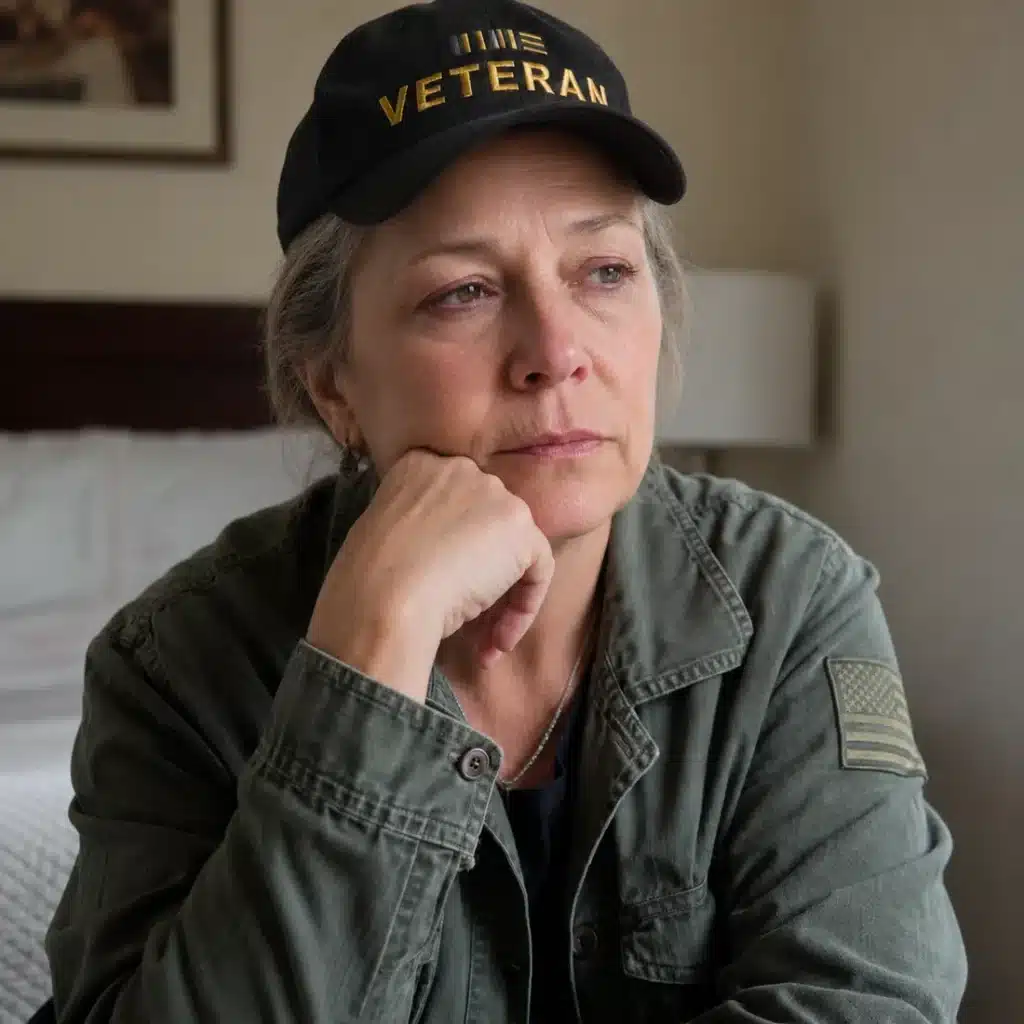
Many survivors hesitate to seek help because they worry they won’t be believed. Others believe too much time has passed. Some never reported what happened during service. Many simply don’t know where to begin.
Military Sexual Trauma affects veterans in different ways, and every veteran’s experience is unique.
What many veterans share, however, is the lasting impact that trauma can have on mental health, relationships, sleep, work, and everyday life.
That’s why comprehensive record review, clinical reasoning, and supporting evidence play such an important role in many sleep apnea claims.

Does any of this sound familiar?

Veterans seek PTSD Nexus Letters for many different reasons. If any of the situations below sound familiar, you’re not alone.

Questions About a Prior C&P Examination

I am requesting an independent medical review of my records following a prior C&P examination.

Service Connection Wasn't Established

You have a PTSD diagnosis, but the available evidence did not establish a relationship to military service.

I Was Diagnosed After Service

I am seeking additional medical documentation to support my claim.

I Need an Independent Medical Opinion

You are looking for an individualized record review and clearly explained medical reasoning.

I'm Filing a New PTSD Claim

You are preparing an initial VA claim and want independent medical evidence included with your submission.

I Have Questions About the Process

You want to understand how a PTSD Nexus Letter works and what the record-review process involves.

Every Record and Medical History Is Different

Many veterans did not make an official report during service. An independent medical review may consider the available medical records, mental health treatment history, service records, symptom history, personal statements, and other submitted documentation.
The reviewing provider independently determines whether the available evidence supports the requested medical opinion.

"Do you have sleep apnea?"

"What evidence connects it to your service or another service-connected condition?"

Evidence matters

Every request involves different records and medical history. The reviewing provider may consider several types of submitted documentation when determining whether a medical nexus opinion can be supported.

Mental Health Treatment Records

Treatment records may help document symptoms, diagnoses, and ongoing care.

PTSD Diagnosis Records

Mental health evaluations and diagnoses may provide important medical context.

Counseling Records

Therapy and counseling records may help document symptom history and treatment progression.

Behavioral Change Documentation

Changes in performance, behavior, attendance, or other documented changes may provide relevant context.

Service Records

Military records may help establish timelines and supporting information.

Personal Statements

Statements describing symptoms, experiences, and their impact on daily life may provide important context.

Buddy Statements

Changes in performance, behavior, attendance, or other documented changes may provide relevant context.

VA Decision Letters

Military records may help establish timelines and supporting information.

Symptom History Documentation

Statements describing symptoms, experiences, and their impact on daily life may provide important context.

Conditions Commonly Reviewed in MST-Related Medical Requests

These are among the conditions commonly considered during an individualized review of a veteran’s submitted records and medical history.

PTSD

Major Depressive Disorder

Anxiety Disorders

Panic Disorder

Sleep Disturbances

Adjustment Disorders

Trauma-Related Disorders

Substance Use Disorders

Other Mental Health Conditions

Elements Commonly Found in a Well-Supported PTSD Nexus Letter

A well-supported PTSD Nexus Letter is based on the available evidence, professional medical judgment, and a clear explanation of whether the records support a relationship between PTSD and military service.

Comprehensive Record Review

Service treatment and personnel records, stressor statements, mental-health treatment notes, prior decision letters, and any C&P results are reviewed together to build the full picture.

Sound Medical Rationale

The opinion explains the medical reasoning supporting the examiner’s conclusion — not just a finding, but the “why” behind it.

Medical Relationship Analysis

It addresses all three pillars the VA weighs for PTSD: a current diagnosis meeting DSM-5 criteria, a reported in-service stressor, and whether the available evidence supports a relationship between the two.

“At Least As Likely As Not” Standard

Conclusions are framed against the VA’s evidentiary threshold — a 50% or greater probability that your PTSD is connected to service.

Credentialed & Independent

Prepared by licensed medical providers within a medically led organization founded by a former VA C&P examiner — independent of your treating provider.

Honest, Not Promised

An opinion is offered only when the evidence supports it. We never guarantee a rating or outcome; the VA alone decides.

Medical evidence prepared by qualified medical professionals who clearly explain their reasoning.

Prestige keeps the focus on medical credibility: licensed medical professionals, record-based review, and documentation that clearly states the medical basis for each opinion.
Every completed medical opinion should make it clear who reviewed the evidence, what credentials support the opinion, and how the rationale was reached.
Medical Record-Review Standards

Credentials matter

Licensed medical professionals

Medical opinions and DBQs are prepared by qualified medical professionals based on the records available and the service requested.

Credentials included where relevant

Completed documentation identifies the reviewing provider and includes professional credentials relevant to the opinion.

Individualized Record Review

Available records are reviewed to determine whether the requested medical opinion can be supported by the evidence and professional judgment.

Documentation Based on Individualized Record Review

Documentation is developed from the veteran’s records, condition history, professional medical judgment, and relevant medical context.
Medical Leadership

Leah Bucholz, PA-C

Founder and CEO of Prestige Veteran Medical Consulting, Army veteran, and former VA C&P examiner committed to maintaining high clinical standards, evidence-based medical opinions, and ethical practices.
Network of licensed medical professionals

Licensed providers

Medical opinions and DBQs are prepared by qualified medical professionals based on the records, condition, and requested service.

No two veterans experience trauma the same way

No two records are identical. Some veterans seek help immediately; others wait years before discussing what happened. Some have extensive treatment records, while others have very little documentation. An independent medical review focuses on understanding the veteran’s history, symptoms, and available evidence. The goal is not to judge what happened — it’s to evaluate whether the available medical evidence supports a nexus opinion.

Three clear steps

A straightforward, transparent path from your records to a professionally prepared medical opinion.

1

Submit Your Records

Provide your available medical records, VA documents, decision letters, and supporting information through our secure intake process.

2

Professional Medical Review

A licensed medical professional reviews the available records and determines whether a medical opinion can be supported by the evidence.

3

Receive Your Nexus Letter

If supported by the evidence, the medical professional prepares an independent opinion explaining the conclusion and supporting medical reasoning, delivered electronically for your records.

No surprises—on price or on what we can support

Veterans are right to be careful when choosing who will review their records and prepare medical documentation. Here’s how we keep the process straightforward.

Transparent, Flat Pricing

You’ll know the full cost before any work begins. Pricing is quoted up front, per document — no surprises.

Clear About What the Evidence Supports

We’ll tell you plainly what we can and can’t support. If the available records do not support an opinion, we will tell you before you pay for a report—not after.

Secure & Confidential Intake

Your records and payment are handled through a secure upload and payment portal, with privacy-conscious handling at every step.

Know the cost before you submit your records.

Veterans should know exactly what to expect before requesting our services. Our pricing is straightforward, with optional expedited service listed separately from our standard turnaround time.
01

PTSD Nexus Letter / Independent Medical Opinion

$600

per letter
Optional 48-hour expedited service available for an additional $200.
02

Medical Record Review

$200

one-time fee
A comprehensive review of the medical records you submit by one of our medical providers is required before requesting a Nexus Letter or Independent Medical Opinion.
03

Disability Benefits Questionnaire

$150

per DBQ
Available for select conditions when supported by the medical records provided and the reviewing provider’s independent medical judgment.
Payment does not guarantee a specific VA decision or outcome. Documentation is prepared only when, in the independent medical judgment of the reviewing provider, the available records support the requested service.

What Veterans Say About Working With Us

★★★★★
“The team was professional, responsive, and thorough throughout the process. Everything was explained clearly and the communication was excellent.”

A

Army Veteran

PTSD Medical Record Review
★★★★★
“I appreciated working with people who genuinely understood the VA disability system and took time to review my records.”

N

Navy Veteran

Independent Medical Opinion
★★★★★
“The process was straightforward, and I felt confident knowing my records were being reviewed by experienced professionals.”

M

Marine Veteran

Thorough Record Review

PTSD Nexus Letter FAQ

What is a PTSD Nexus Letter?

+

A PTSD Nexus Letter is an independent medical opinion that discusses whether a veteran's PTSD diagnosis is connected to military service based on the available evidence.

Can I request a PTSD Nexus Letter after a denial?

×

Yes. Many veterans seek additional medical evidence after receiving a prior VA decision.

Do I need a PTSD diagnosis?

+

In most situations, a formal diagnosis is important when evaluating PTSD-related medical evidence.

Does a Nexus Letter guarantee approval?

+

No. VA disability decisions are made by the Department of Veterans Affairs. A Nexus Letter is one piece of evidence that VA may consider when deciding a disability claim.

What records should I provide?

+

You may submit the medical, military, and VA records already available to you through the secure intake process. The reviewing provider bases the review on the records submitted.

How long does the process take?

+

Turnaround times vary depending on record complexity. Expedited options may be available.

Is my information secure?

+

Yes. Veteran information is handled using secure and privacy-conscious processes.

Can PTSD be service-connected years after discharge?

+

Every situation is unique. Service connection depends on the available evidence, medical history, and specific circumstances.

Get Started Today.

Tell us where you are in the process and our team will reach out confidentially — with no obligation.
“If we can help, we’ll explain exactly how. If we can’t, we’ll tell you that too.”
Phone

(830) 529-7979

email

info@prestigeveteranmctx.com

Prestige Veteran Medical Consulting
Your Privacy Choices

This website uses cookies to keep the site working and, with your choice, to measure site use and advertising. You can turn analytics and advertising cookies off below at any time.